 Save Pin
 There's something about a frittata that made me feel like I'd finally cracked the code on weekday breakfasts. My neighbor stopped by one Saturday morning while I was experimenting with leftover ham and eggs, and the smell of melting cheddar in that cast iron skillet must have been irresistible because she lingered long enough to steal a wedge right off the cooling rack. That's when I realized this wasn't just a way to use up ingredients—it was the kind of dish that makes people pause mid-morning and actually sit down to eat.
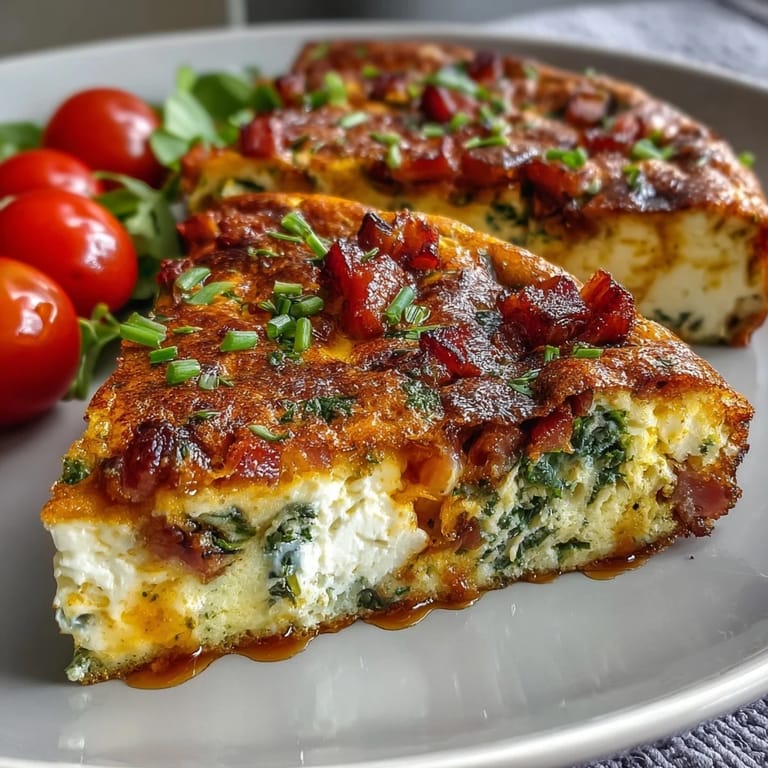
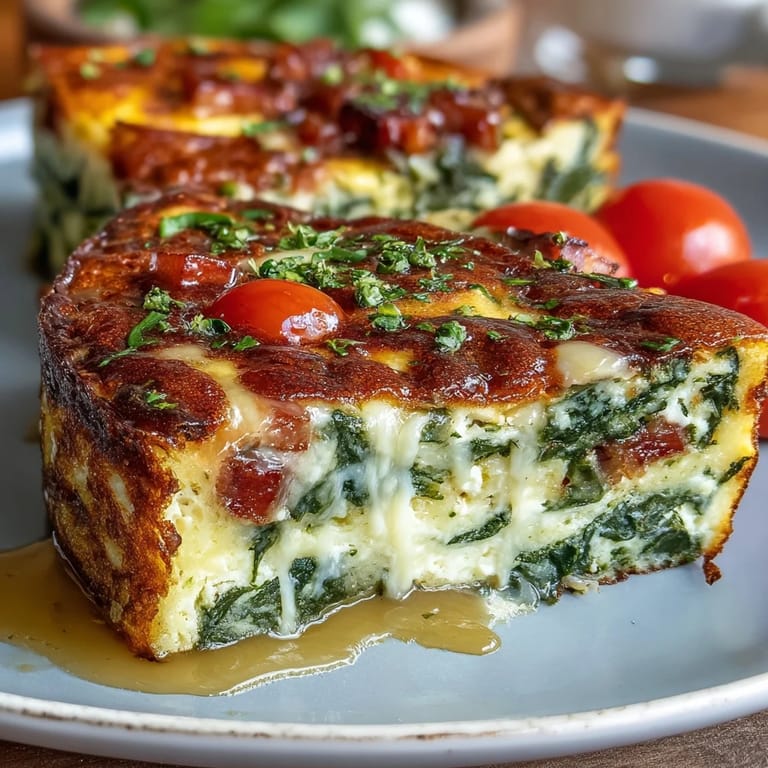
I made this for my sister during a last-minute brunch visit, and watching her face light up when she realized it was better than the fancy eggs Benedict we'd ordered at that overpriced spot downtown became one of those small kitchen victories I still think about. The frittata was golden and tender, the ham pieces had just the right chew, and the spinach had practically melted into the eggs in the most elegant way possible.
Ingredients
- 8 large eggs: The backbone of this whole thing—room temperature eggs whisk more smoothly and incorporate air better, which gives you a lighter, fluffier frittata.
- 1/4 cup whole milk: This is your secret weapon for tenderness; it keeps the eggs from becoming rubbery even with a longer bake time.
- 1 cup shredded cheddar cheese: Sharp cheddar adds more flavor than mild, and pre-shredded works fine here unless you want to splurge on a block.
- 1/4 cup grated Parmesan cheese: The salty funk of Parm rounds out the cheddar and adds umami depth.
- 1 cup diced cooked ham: Use quality ham if you can—those thin-sliced deli varieties get lost, but a thicker ham holds its identity beautifully.
- 1 cup baby spinach, chopped: It shrinks dramatically as it cooks, so don't be shy with your pile.
- 1/2 cup cherry tomatoes, halved: These burst slightly during cooking and release their sweetness into the eggs, which is exactly what you want.
- 1/4 cup finely chopped red onion: The acidity and slight bite balance all the richness from the cheese and ham.
- 1/2 tsp salt, 1/4 tsp black pepper, 1/4 tsp garlic powder: These seasonings need to go into the egg mixture, not scattered later, so they distribute evenly.
- 1 tbsp fresh chives, chopped: Optional but worth the extra step—a gentle onion flavor and pop of green.
- 2 tbsp olive oil: Good olive oil browns the vegetables beautifully and keeps the bottom from sticking.
Tired of Takeout? 🥡
Get 10 meals you can make faster than delivery arrives. Seriously.
One email. No spam. Unsubscribe anytime.
Instructions
- Heat your oven and gather everything:
- Get the oven to 375°F while you're prepping ingredients so it's ready when you need it. Having everything chopped and measured beforehand means you won't be fumbling around once you start cooking.
- Whisk the egg base:
- Crack eggs into a large bowl and whisk them with milk, salt, pepper, and garlic powder until the mixture is uniform and slightly frothy. Stir in both cheeses until they're distributed throughout.
- Sauté the aromatics:
- Heat olive oil in your oven-safe skillet over medium heat and add the red onion, letting it soften and turn slightly translucent, about 2-3 minutes. You should smell the sweetness developing as it caramelizes at the edges.
- Build your filling:
- Toss in the diced ham, spinach, and cherry tomatoes, stirring occasionally for another 2-3 minutes until everything is warm and the spinach has collapsed. The tomatoes should just start to soften.
- Combine and set the edges:
- Pour the whisked egg mixture evenly over the vegetables and ham, using a spatula to gently distribute everything, then let it cook on the stovetop for 2-3 minutes until you see the edges pulling slightly from the pan and setting.
- Transfer to the oven:
- Carefully move the whole skillet to your preheated oven and bake for 15-18 minutes—the center will still jiggle slightly when you give it a gentle shake, which is exactly right. The top should be lightly golden and feel set when you touch it lightly.
- Rest and serve:
- Let it cool for 5 minutes so the residual heat finishes cooking the very center, then slice into wedges. Garnish with fresh chives if you want that final touch.
 Save Pin
 There's a moment right after you pull this from the oven when the kitchen fills with this warm, savory aroma and you realize you've made something that feels fancy but took less time than a proper shower. That's when it stopped being just breakfast and became the thing I reach for when I want to actually nourish myself instead of grabbing whatever's fastest.
Timing Is Everything
The beauty of this frittata is that it doesn't demand perfection—it demands respect for the process. Those few minutes you spend sautéing the vegetables on the stovetop aren't just about softening them; you're building flavor and making sure everything releases its moisture so the eggs don't end up watery. The stovetop-to-oven transition matters too, because you're setting the edges while keeping the center creamy, which is the whole point of a frittata.
Make It Your Own
This recipe is honestly just a framework, and I've swapped ingredients based on what's in the fridge more times than I can count. Swiss cheese works beautifully if cheddar feels too familiar, and feta brings this salty, tangy edge that pairs perfectly with cherry tomatoes. Bell peppers, mushrooms, zucchini—anything you'd add to scrambled eggs works here, and the longer bake time means even denser vegetables have time to soften. Roasted asparagus, caramelized onions, crumbled bacon—I've done them all, and the frittata never complained.
Meal Prep Magic
This is where the frittata becomes genuinely life-changing, at least in my kitchen. Make it on Sunday afternoon, let it cool completely, slice it into wedges, and store them in an airtight container—they'll keep for up to four days and taste just as good straight from the fridge as they do reheated.
- Cold frittata wedges are perfect protein-heavy snacks between meals or tucked into lunch boxes.
- Microwave them for 30-45 seconds if you want them warm, or eat them cold with a handful of fresh greens for a complete meal.
- You can even freeze wedges individually wrapped in plastic, though they're best eaten within a month for optimal texture.
 Save Pin
 This frittata became my answer to the morning question of what actually sounds good to eat, which is half the battle with breakfast. Make it once and you'll understand why it's been rotating through my weekly cooking since that first Saturday morning.
Recipe FAQs
- → What type of cheese works best in this dish?
Cheddar provides a sharp, melty texture, but you can substitute with Swiss or feta for different flavor notes.
- → Can I add other vegetables to the frittata?
Yes, bell peppers, mushrooms, or other favorite veggies can be sautéed with the onions and added for extra flavor and nutrition.
- → How do I prevent the frittata from sticking to the skillet?
Use a well-seasoned oven-safe nonstick skillet and heat olive oil before adding ingredients to ensure easy release after baking.
- → Is it possible to prepare this ahead of time?
Yes, the frittata keeps well in the fridge up to four days and can be enjoyed warm or cold, making it ideal for meal prep.
- → What is the best way to reheat leftovers?
Reheat gently in the microwave or in a low oven to preserve texture without drying out the eggs and vegetables.