 Save Pin
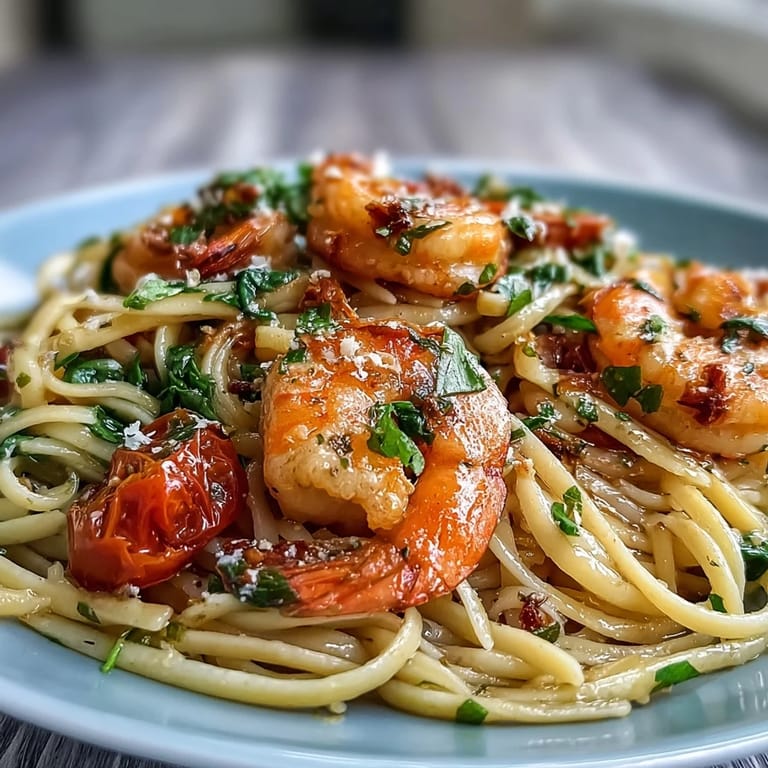
 There was this Wednesday evening when my neighbor stopped by just as I was staring into an empty fridge, wondering what could possibly come together in thirty minutes. She mentioned missing restaurant-quality seafood pasta, and something clicked—why wait for a reservation when everything could cook in one beautiful skillet? That night taught me that the best meals often start with someone else's craving and your willingness to say yes.
I made this for my book club last month, and watching four different conversations happen around one pot of bubbling pasta was something special. Someone asked for the recipe before dessert even came out. That's when I knew this wasn't just dinner—it was the kind of dish that makes people feel welcomed and cared for, even when you're serving it straight from the pan.
Ingredients
- Large shrimp (1 lb): Buy them already peeled and deveined if you can—it saves time and honestly, your hands won't smell like seafood for three days.
- Angel hair pasta (12 oz): This thin pasta absorbs the sauce beautifully and cooks fast, which is the whole point of one-pot cooking.
- Cherry tomatoes and snap peas (1 cup each): These vegetables give you color, crunch, and natural sweetness without needing to peel or chop obsessively.
- Baby spinach (1 cup): It wilts at the very end, keeping it tender and vibrant instead of dark and overcooked.
- Zucchini (1 small): Slice it thin so it softens quickly and doesn't overpower the delicate shrimp.
- Fresh parsley and green onions: These are your last-minute brightness—don't skip them or the dish loses its spring-like energy.
- Garlic (4 cloves, minced): Mince it yourself if you have time; the aroma when it hits the hot oil is your cue that something delicious is happening.
- Extra virgin olive oil (1/4 cup): Good quality matters here since it's doing the heavy lifting flavor-wise.
- Lemon zest and juice: This is what transforms good pasta into unforgettable pasta—the brightness cuts through the richness.
- Red pepper flakes (1/2 tsp optional): Add them if you like a gentle heat, skip them if your guests prefer mild.
- Dry white wine (1/2 cup): Use something you'd actually drink; it's not worth cooking with cheap wine.
- Broth (3 cups): This becomes your sauce, so use low-sodium so you can season at the end without oversalting.
Tired of Takeout? 🥡
Get 10 meals you can make faster than delivery arrives. Seriously.
One email. No spam. Unsubscribe anytime.
Instructions
- Warm the oil and coax out the garlic:
- Heat your olive oil in the skillet over medium heat for about a minute, then add the minced garlic and red pepper flakes. You'll smell it almost immediately—that's your sign everything is happening at the right temperature. Let it sizzle for just about a minute, stirring once or twice so it doesn't brown.
- Soften the spring vegetables:
- Add your cherry tomatoes, snap peas, and zucchini slices to the garlicky oil and stir them around for a couple of minutes. They'll start to soften at the edges, but they should still have some bite to them—this is not the time to overcook anything.
- Build the liquid base:
- Pour in your white wine and let it bubble and reduce for about two minutes, stirring occasionally. This burns off the alcohol and concentrates the flavor, so don't skip this step even though it feels quick.
- Add the broth and pasta:
- Stir in your broth, lemon zest, and lemon juice, then bring everything to a gentle boil. Add the angel hair pasta and stir it down so it's mostly submerged in liquid—it'll look cramped, but that's okay. Cover the skillet and cook for three to four minutes, stirring occasionally, until the pasta is starting to soften but still has some resistance when you bite it.
- Introduce the shrimp:
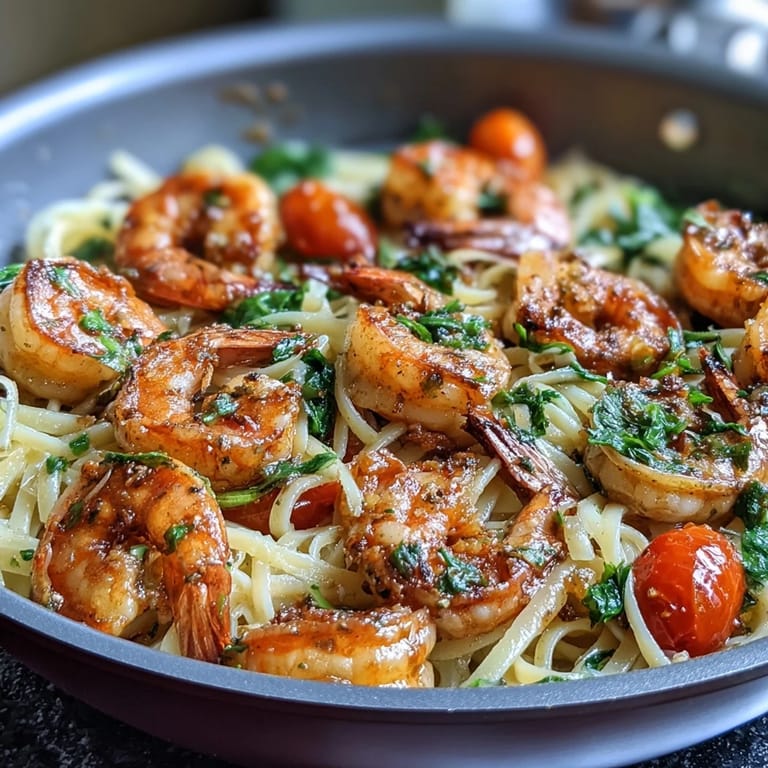
- Spread the raw shrimp across the top of the pasta, give everything a stir, and cover again. In two to three minutes, those shrimp will turn from gray to opaque pink—that's your done signal. The pasta should be tender but still have a slight bite, and the broth should be mostly absorbed but still glossy.
- Finish with freshness:
- Take the skillet off heat and fold in the baby spinach, green onions, and fresh parsley—the heat from the pasta will wilt the spinach just enough without turning it into mush. Taste it now and season generously with salt and pepper because this is your last chance to adjust anything.
- Plate and serve:
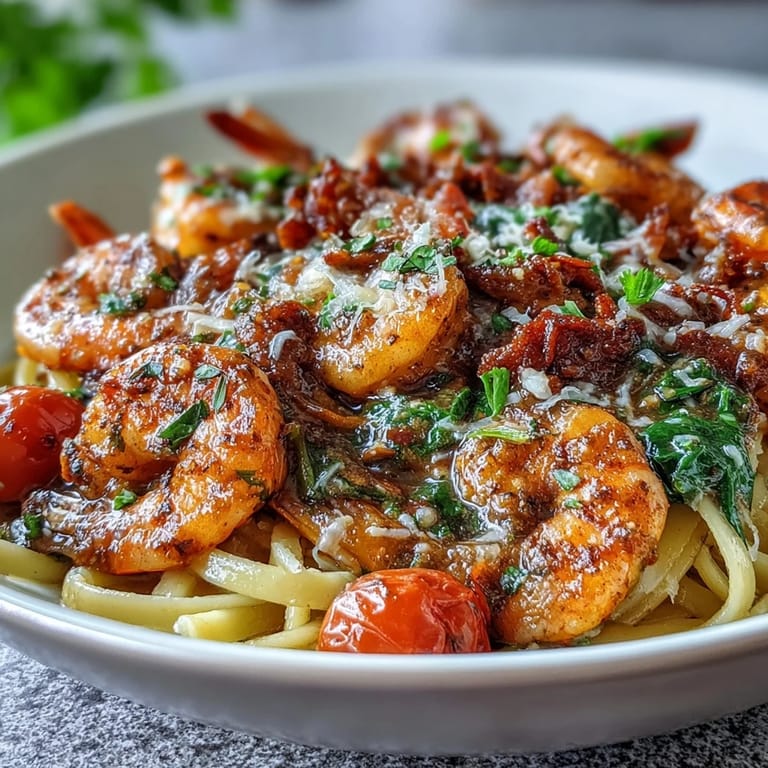
- Divide it among bowls while it's still steaming, top with Parmesan if you like, and serve with extra lemon wedges so everyone can squeeze a bit more brightness into their bowl.
 Save Pin
 There's this magic moment when everyone leans over their bowls and goes quiet, just eating, and you know you've done something right. That's what this dish does—it brings people to the table and keeps them there.
Why One Pot Changes Everything
Cooking this pasta in one vessel instead of boiling pasta separately and making sauce in another pan might sound like a small difference, but it fundamentally changes how the dish tastes. The pasta absorbs the broth directly, getting seasoned throughout instead of sitting bland and then meeting sauce. You also keep all those tiny starch particles that help bind everything together into one silky, cohesive dish—no draining required, no broken spaghetti, no fuss.
Timing Is Your Real Secret
The reason this comes together in thirty minutes is because everything is sequenced so that nothing ever sits around waiting. The vegetables start cooking first because they need the most time. The pasta goes in next, followed by the shrimp at the very end so it stays tender and doesn't overcook while everything else finishes. Once you understand this flow, you can mentally skip ahead and know exactly when to start without constantly checking the clock.
Making It Your Own
The beauty of this recipe is how flexible it actually is once you understand the technique. You can swap the vegetables depending on the season—asparagus in late spring, cherry tomatoes in summer, thin-sliced bell peppers whenever you want color. The broth can be chicken or vegetable based depending on what you have. Even the pasta can change, though angel hair really is the best choice because it cooks so quickly.
- If you don't have white wine, use more broth or even a splash of bottled clam juice for deeper seafood flavor.
- Make it dairy-free by skipping the Parmesan and finishing with extra fresh herbs and a drizzle of good olive oil instead.
- This reheats beautifully the next day, though you might need to add a splash of extra broth or water since pasta continues to absorb liquid as it sits.
 Save Pin
 This is the kind of dinner that feels fancy but doesn't demand fancy ingredients or fancy technique—just your attention for thirty minutes and a willingness to let one skillet do all the heavy lifting. Make it soon, and make it for people you want to linger at the table with.
Recipe FAQs
- → Can I use other types of pasta?
Yes, though angel hair cooks quickly and pairs well with the light sauce, thin spaghetti or capellini can be good alternatives.
- → How do I know when the shrimp is cooked?
Shrimp are done when they turn pink and opaque throughout, usually after 2-3 minutes of cooking.
- → Can I make this gluten-free?
Absolutely. Substitute angel hair pasta with a gluten-free version to suit dietary needs.
- → What can I substitute for white wine?
Dry white wine adds depth, but vegetable broth can be used as a non-alcoholic alternative without compromising flavor.
- → Is it possible to add more vegetables?
Yes, swapping or adding vegetables like asparagus, bell peppers, or zucchini works well and enhances the dish's freshness.