 Save Pin
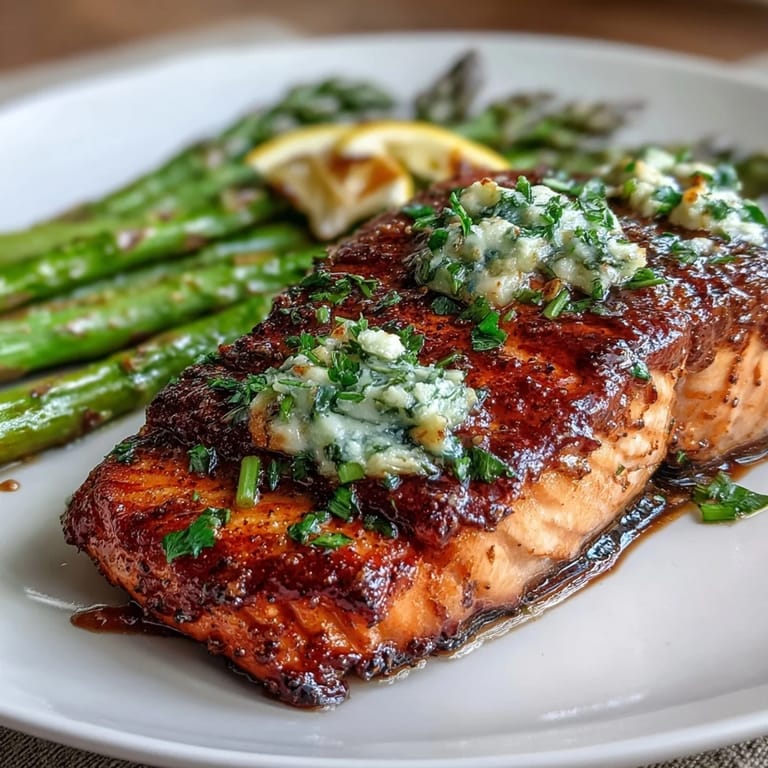
 My neighbor knocked on the door one April evening with a bunch of fresh asparagus from her garden, and I knew instantly what had to happen. Salmon and asparagus seemed like they were made for each other, especially when you dress them in something as simple and transformative as garlic butter. That night, watching the kitchen fill with the most incredible aroma of roasting fish and caramelized garlic, I realized this wasn't going to be a one-time thing. It became my go-to move for spring dinner parties, the dish I make when I want to impress without spending hours in the kitchen.
I made this for my sister's birthday dinner last year, and she actually put her fork down mid-bite to ask what was in the sauce. When I told her it was just melted butter and garlic, she didn't believe me at first. That moment of surprise, when someone realizes elegant food doesn't require a complicated recipe, never gets old.
Ingredients
- Salmon fillets (4, about 6 oz each): The heart of this dish deserves quality fish with firm, vibrant flesh. If you can get skin-on, leave it on during roasting—it crisps up beautifully and holds the fillet together, but honestly, either way works wonderfully.
- Fresh asparagus (1 lb): Spring asparagus is thinner and more tender than the thick winter stalks, so snap off those woody ends and you're golden. If you're shopping in off-season, thicker asparagus still works, just give it a few extra minutes in the oven.
- Unsalted butter (4 tbsp): Unsalted lets you control the salt level, which matters when the fish itself brings its own mineral notes. Melt it gently so it stays silky rather than turning nutty brown.
- Garlic (3 cloves, minced): Mincing by hand is worth the thirty seconds because you can judge how fine you want it. Finely minced garlic distributes evenly through the butter rather than leaving big pockets of intensity.
- Fresh lemon juice (1 tbsp): This is what lifts the entire dish and keeps it from feeling heavy. Squeeze it from a fresh lemon right before cooking—the difference between bottled and fresh is honestly startling.
- Dijon mustard (1 tsp): A tiny bit adds subtle depth and helps emulsify the sauce so it clings to the fish rather than pooling at the bottom of the pan.
- Salt, black pepper, and red pepper flakes: The salt brings out the salmon's natural sweetness, pepper adds warmth, and red pepper flakes are your secret weapon for anyone who likes a little heat.
- Lemon slices, fresh parsley, and optional Parmesan: These are the finishing touches that make people think you spent way more time on this than you actually did.
Tired of Takeout? 🥡
Get 10 meals you can make faster than delivery arrives. Seriously.
One email. No spam. Unsubscribe anytime.
Instructions
- Get your oven ready and prep your pan:
- Heat your oven to 400°F and line a baking sheet with parchment paper or foil—this prevents sticking and makes cleanup instant. A cold oven means the fish cooks unevenly, so give it a solid five minutes to preheat while you gather everything else.
- Arrange your fish and vegetables:
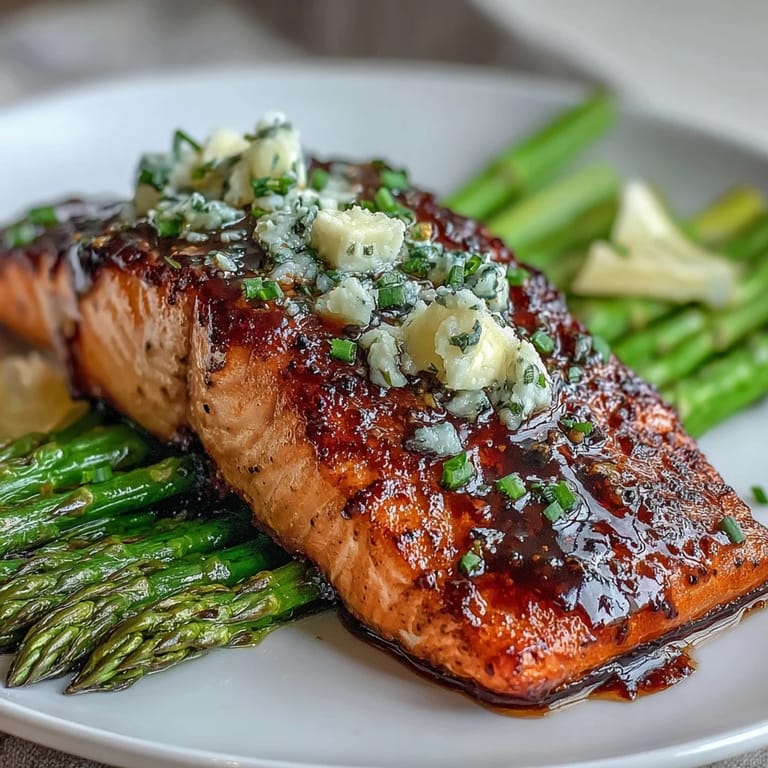
- Place salmon fillets in the center of your baking sheet with plenty of breathing room around each one, then nestle the trimmed asparagus spears alongside. Tuck lemon slices between everything so they roast and perfume the whole pan—this little touch makes the presentation feel intentional.
- Make your garlic butter magic:
- Whisk together your melted butter, minced garlic, fresh lemon juice, Dijon mustard, salt, pepper, and red pepper flakes in a small bowl. Do this whisking by hand because you'll actually feel when it comes together into something silky and cohesive, not separated and oil-slicked.
- Drizzle and roast:
- Pour your garlic butter sauce over the salmon and asparagus with a gentle hand—you want an even coating without drowning anything. Roast for 15 to 18 minutes until the salmon flakes easily with a fork and asparagus tips are just starting to wrinkle at the edges.
- Finish and serve:
- Pull everything out, let it rest for about a minute, then scatter fresh parsley over the top if you have it. Serve immediately with extra lemon wedges so people can add brightness to taste.
 Save Pin
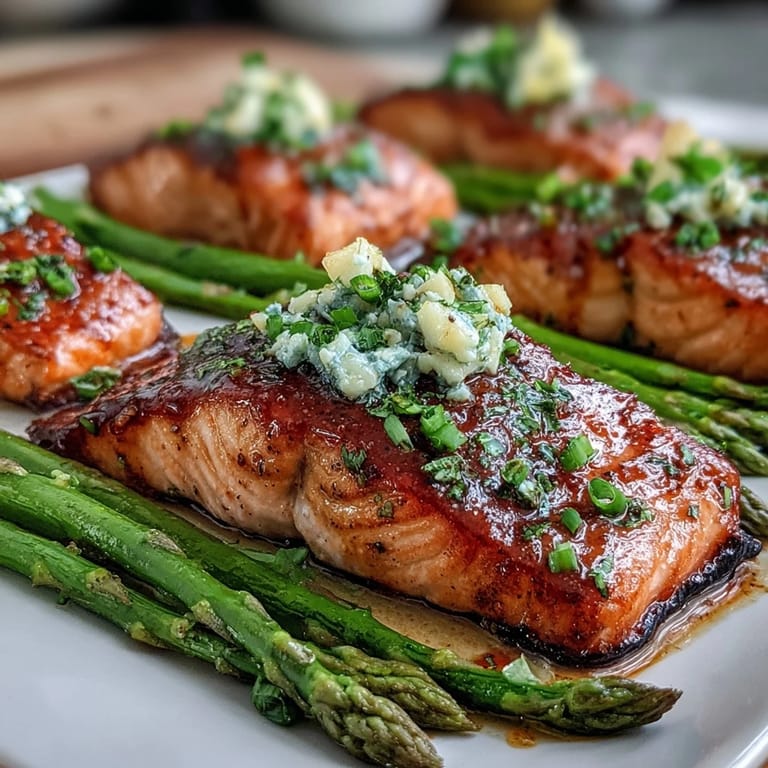
 There's something about serving food on one beautiful sheet that somehow makes even a simple weeknight feel like an occasion. My kids actually asked for seconds without me having to prompt them, which in my house is basically a standing ovation.
Why This Dish Feels Restaurant Quality at Home
The secret is that roasting concentrates flavors instead of diluting them the way pan-searing or boiling would. Everything cooks in its own little microclimate on that sheet pan, the garlic butter gets into every crevice, and the lemon rounds release their oils right into the sauce. It looks like you spent all day planning it, but you actually just threw it together.
Timing Matters More Than Precision
This is one of those recipes where being approximate actually works in your favor. Your oven might run hot, your salmon fillets might be slightly different thicknesses, or your asparagus might be particularly thick—all of these things matter less than checking for doneness visually. The salmon should be opaque and flake easily, the asparagus should have a little tender-crisp feel, and if things need two extra minutes, they're fine.
Make It Your Own and Keep It Simple
I've added everything from capers to pine nuts to this dish, and every version has been good, but the purest version with just butter and garlic is somehow always the best. That said, grated Parmesan over the asparagus before roasting adds a subtle nuttiness that makes people wonder what you did differently. If you want to swap green beans or broccolini for asparagus, the cooking time stays basically the same, just watch for that tender-crisp moment.
- Pair this with a crisp white wine like Sauvignon Blanc or Pinot Grigio—the acidity cuts through the butter beautifully and makes the whole meal feel more complete.
- Leftovers actually work great flaked into a salad the next day, though honestly there are rarely any left to repurpose.
- If you're cooking for more than four people, just double everything and use two baking sheets rather than stacking vegetables on top of each other.
 Save Pin
 This dish has become my answer to the question, what's for dinner when you want something delicious but don't have hours to spend cooking. It's the recipe I come back to every spring, and it never disappoints.
Recipe FAQs
- → How do I ensure the salmon stays moist?
Use skin-on fillets and baste with garlic butter during roasting to lock in moisture and enhance flavor.
- → Can I substitute asparagus with other vegetables?
Yes, green beans or broccolini work well as alternatives and maintain a similar texture when roasted.
- → What is the best oven temperature for roasting?
Preheat the oven to 400°F (200°C) for even cooking and perfect browning of salmon and vegetables.
- → How can I add extra flavor to the asparagus?
Sprinkle grated Parmesan over the asparagus before roasting to create a savory crust.
- → What wine pairs well with this dish?
Dry white wines such as Sauvignon Blanc or Pinot Grigio complement the buttery garlic flavors beautifully.