 Save Pin
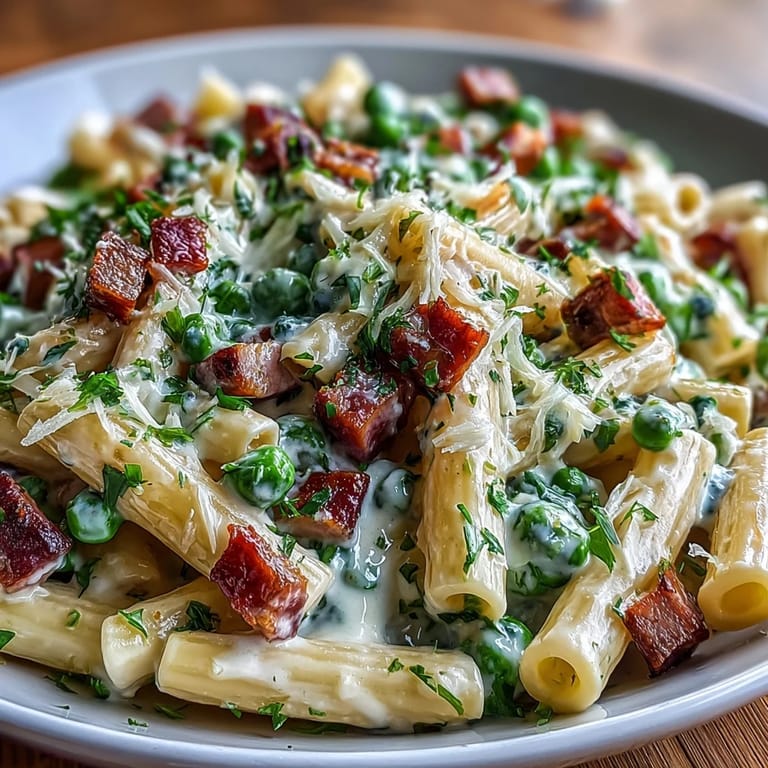
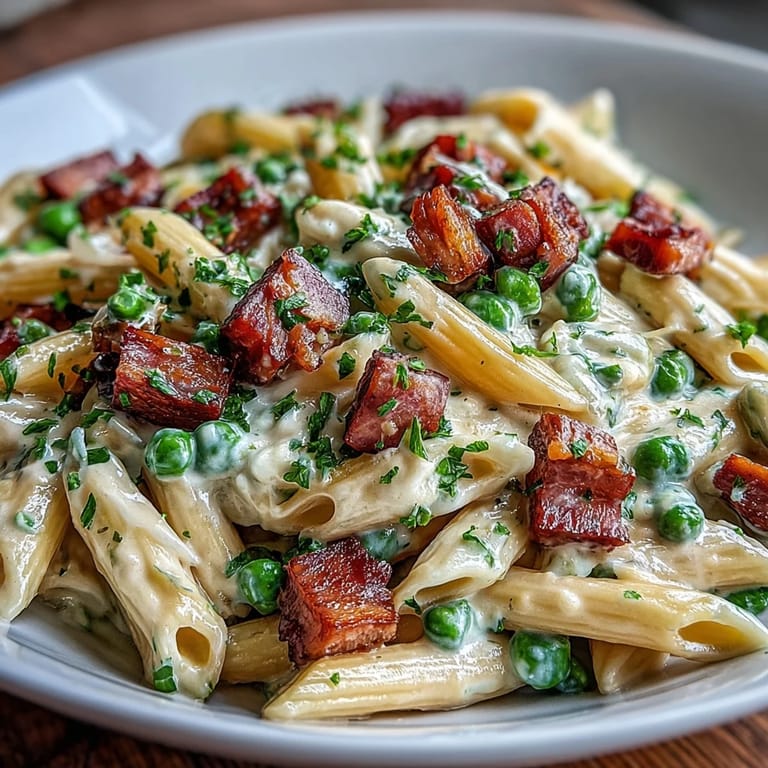
 My neighbor once complained that weeknight dinners felt like a chore until I made this creamy leek and ham pasta for her family on a particularly gray Thursday. She called the next day saying her kids actually asked for seconds, which apparently never happens. That's when I realized this dish has a quiet magic—it comes together in one pot, tastes like you fussed all day, and somehow makes everyone at the table a little happier.
I made this for my partner on a night when we both came home exhausted, and watching their face when they tasted it was worth every minute. The leeks had caramelized just enough to be sweet, the ham added this salty richness, and somehow thirty minutes of cooking felt like time travel. We ate it straight from the pot like nobody was watching, and that's how I knew it was a keeper.
Ingredients
- 2 medium leeks, cleaned and sliced (white and light green parts only): Leeks are milder and sweeter than onions when cooked slowly, and they break down into silky strands that distribute flavor throughout the dish. Always slice lengthwise first, then into half-moons, to catch any hidden soil between the layers.
- 1 cup (150 g) frozen peas: Frozen peas are actually picked at peak ripeness and frozen immediately, so they taste fresher than most fresh ones you'll find. Toss them in near the end so they stay bright and don't turn mushy.
- 12 oz (340 g) short pasta (penne, fusilli, or similar): Short pasta shapes catch and hold the creamy sauce better than long pasta, giving you a bite that feels balanced and intentional.
- 7 oz (200 g) cooked ham, diced: Dice it into small, irregular chunks rather than perfect cubes—they'll scatter throughout the dish and create little pockets of salty, smoky flavor.
- 1 cup (240 ml) heavy cream: This is what transforms the broth into something luxurious without curdling or breaking, as long as you keep the heat gentle at the end.
- 1/2 cup (50 g) grated Parmesan cheese: Freshly grated Parmesan melts more smoothly than pre-shredded, which often contains anti-caking agents that make the sauce slightly grainy.
- 2 tbsp (28 g) unsalted butter: Unsalted butter gives you control over the salt level, which matters when your ham and broth already contribute plenty.
- 3 cups (720 ml) low-sodium chicken or vegetable broth: Low-sodium broth lets you adjust the seasoning yourself rather than being locked into what the manufacturer decided.
- 2 cloves garlic, minced: Mince it fine so it distributes evenly and melts into the sauce rather than sitting in chunks.
- 1/4 tsp ground black pepper, 1/2 tsp salt (plus more to taste), 1/4 tsp nutmeg (optional): The nutmeg is optional but it whispers through the cream in a way that makes people say they can't quite name what they're tasting—that's the point.
Tired of Takeout? 🥡
Get 10 meals you can make faster than delivery arrives. Seriously.
One email. No spam. Unsubscribe anytime.
Instructions
- Soften the leeks in butter and build your base:
- Melt the butter over medium heat in your large deep skillet or Dutch oven, then add the leeks. They'll sizzle gently and start releasing their sweetness after about three minutes—you're looking for them to turn translucent and tender, not browned.
- Wake up the garlic and add the ham:
- Stir in the minced garlic and let it bloom for exactly one minute until the kitchen smells irresistible, then add the diced ham and let it warm through. This takes only a couple of minutes, just enough to heat the ham and let its flavors begin mingling with what you've already built.
- Combine pasta and broth, then simmer:
- Pour in your pasta along with the broth, salt, and pepper, stirring so nothing sticks to the bottom. Bring everything to a gentle simmer, cover it, and let it cook for about ten minutes, stirring occasionally—the pasta will absorb some broth and start becoming tender.
- Add peas and finish cooking the pasta:
- Stir in the peas and continue cooking uncovered for another three or four minutes until the pasta reaches that tender but still slightly firm stage and most of the liquid has been absorbed. Taste the pasta to make sure it's actually done before moving on.
- Create the creamy finish with gentle heat:
- Lower the heat to the absolute minimum and stir in the heavy cream, Parmesan, and nutmeg if you're using it. Let it simmer very gently for just two or three minutes, stirring slowly so the sauce becomes silky and coats every strand of pasta.
- Taste, adjust, and serve while it's warm:
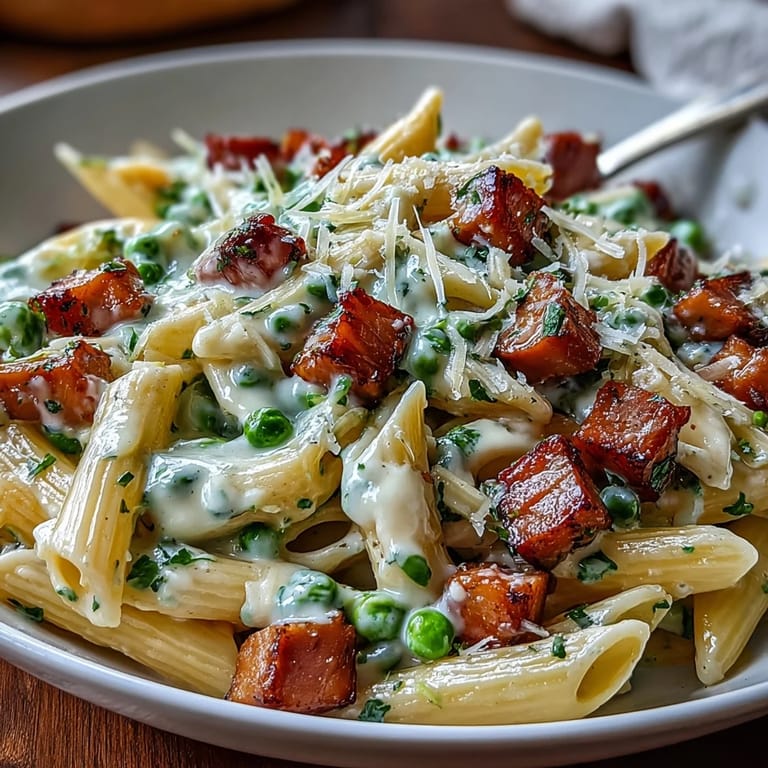
- This is the moment to taste everything and decide if you want more salt, pepper, or nutmeg. Serve it immediately, ideally with extra Parmesan scattered on top and maybe a crack of fresh pepper.
 Save Pin
 There was a moment during a dinner party when a guest asked if I'd used restaurant cream or something fancy, and I realized that good cooking isn't about fancy ingredients—it's about respecting them. The leeks, the ham, the cream, they're all just lending their voices to something bigger than themselves.
Why This Works as a One-Pot Meal
Cooking everything in one pot isn't just about convenience, though that's certainly part of it. Every element—the leek's sweetness, the garlic's fragrance, the ham's salt, the pasta's starch—they're all mingling in the same liquid, layering flavors into something more complex than the parts suggest. The pasta releases its starch as it cooks, which naturally thickens the broth into something creamy without needing any cornstarch or flour. By the time you add the actual cream and cheese, you're finishing something that's already half-built, which means less sauce breaking and more silky results.
Variations and Swaps That Actually Work
I've made this dish with smoked turkey when pork wasn't on the menu, and honestly, it tasted just as rich because the smoke adds a different kind of depth. I've used half-and-half instead of heavy cream when I was watching my intake, and while it's slightly less luxurious, it's still comforting and feels lighter on the stomach. Adding a handful of fresh baby spinach at the very end adds color and a gentle earthiness that nobody expects but everyone notices.
Serving and Pairing Ideas
This pasta practically begs for a crisp white wine—Sauvignon Blanc cuts through the richness beautifully and makes each bite feel fresh. A simple green salad with lemon vinaigrette on the side provides contrast without demanding attention, and a crusty bread is optional but nice for soaking up every last bit of sauce.
- If you have fresh thyme or parsley on hand, scatter a pinch on top when serving for a little brightness.
- Leftovers actually taste better the next day once all the flavors have settled—just reheat gently with a splash of broth or cream so it doesn't dry out.
- This dish feeds four people generously but easily scales up or down depending on who's coming to dinner.
 Save Pin
 This pasta reminds me why simple cooking often tastes the best—you're not fighting the ingredients or apologizing for shortcuts. It's honest food that happens to be quick, and maybe that's the real magic.
Recipe FAQs
- → Can I substitute the ham with other meats?
Yes, smoked turkey or cooked chicken are great alternatives to ham for a different flavor or to avoid pork.
- → What type of pasta works best in this dish?
Short pasta shapes like penne, fusilli, or similar hold the sauce well and cook evenly in this one-pot preparation.
- → How can I make the dish lighter?
Replace heavy cream with half-and-half to reduce richness while keeping the sauce creamy.
- → Is it possible to add more vegetables?
Absolutely, adding a handful of baby spinach at the end adds color and nutrition without overpowering the flavors.
- → What wine pairs well with this creamy pasta?
A crisp white wine like Sauvignon Blanc complements the creamy sauce and vegetable elements nicely.