 Save Pin
 My neighbor brought a steel container of fresh guavas to my door one humid afternoon, insisting I'd regret not using them that day. I had never made chutney before, but her casual confidence—"just blend, temper, done"—stuck with me. Twenty minutes later, the kitchen smelled like toasted mustard seeds and coconut, and I understood why she'd been so certain. That first spoonful alongside warm idli changed how I thought about condiments entirely, from an afterthought to the soul of the meal.
I made this for my daughter's potluck, paired it with some store-bought idli to save time, and watched people go back for thirds. One parent asked for the recipe, then another, and by the end of the afternoon I realized I'd accidentally become the chutney person at school events. It's become our thing now—the dish that made me feel like I actually knew what I was doing in the kitchen.
Ingredients
- Semi-ripe guavas, chopped (about 1½ cups): The half-ripe ones give you that perfect balance of sweetness and tartness; fully ripe guavas turn mushy and lose the chutney's bright character.
- Fresh grated coconut (¼ cup): This isn't just flavor—it's texture and richness that makes the chutney feel complete, so don't skip it for dried.
- Green chilies (1–2, chopped): Start with one if you're heat-sensitive; you can always add more but you can't take it back.
- Ginger, peeled and chopped (1-inch piece): A small piece goes a long way, warming everything up without overwhelming the guava's gentle tartness.
- Fresh coriander leaves, chopped (2 tablespoons): This herb brings a subtle freshness that keeps the chutney from feeling heavy.
- Salt (½ teaspoon, or to taste): Don't underestimate how much salt awakens the guava's natural flavors.
- Jaggery or brown sugar (1 teaspoon): Just enough sweetness to balance the lime; jaggery gives a deeper molasses note if you have it.
- Lemon juice (1 tablespoon): This is your secret weapon for brightness—add it at the end so you can taste and adjust.
- Coconut oil (1 tablespoon): The tempering oil matters; it carries flavors better than neutral oils and adds authentic South Indian flavor.
- Mustard seeds (½ teaspoon): These tiny seeds do all the popping and crackling that signals flavor is about to happen.
- Urad dal, split black gram (½ teaspoon): It toasts into something nutty and golden, adding depth you didn't know you needed.
- Dried red chili (1 whole): One chili brings heat and a smoky undertone without overpowering.
- Curry leaves (6–8): Fresh if you can find them; they become crispy and fragrant when tempered, almost like flavor-packed crackling.
- Asafoetida (a pinch, optional): This pungent spice mellows completely when cooked and adds an umami savory note that feels sophisticated.
Tired of Takeout? 🥡
Get 10 meals you can make faster than delivery arrives. Seriously.
One email. No spam. Unsubscribe anytime.
Instructions
- Blend your base:
- Combine the guavas, coconut, green chilies, ginger, coriander, salt, jaggery, and lemon juice in your blender with 2–3 tablespoons of water. Pulse and blend until you reach a smooth, spreadable consistency—not a completely liquid purée, but smooth enough to coat a spoon. Taste and adjust the salt or lemon juice if it needs more brightness or seasoning.
- Transfer to your bowl:
- Pour the blended chutney into your serving bowl and set it aside while you work on the tempering.
- Heat your oil:
- Warm the coconut oil in a small pan over medium heat for about a minute until it's shimmering but not smoking.
- Toast the mustard seeds:
- Add the mustard seeds and listen for them to pop and crackle—this takes maybe 30 seconds. You'll hear them before you see the full effect, so stay close and don't walk away.
- Add the dal and spices:
- Once the seeds are popping, add the urad dal, dried red chili, curry leaves, and asafoetida if using. Stir constantly for about 1–2 minutes until the dal turns golden brown and smells nutty and toasted.
- Finish with the tempering:
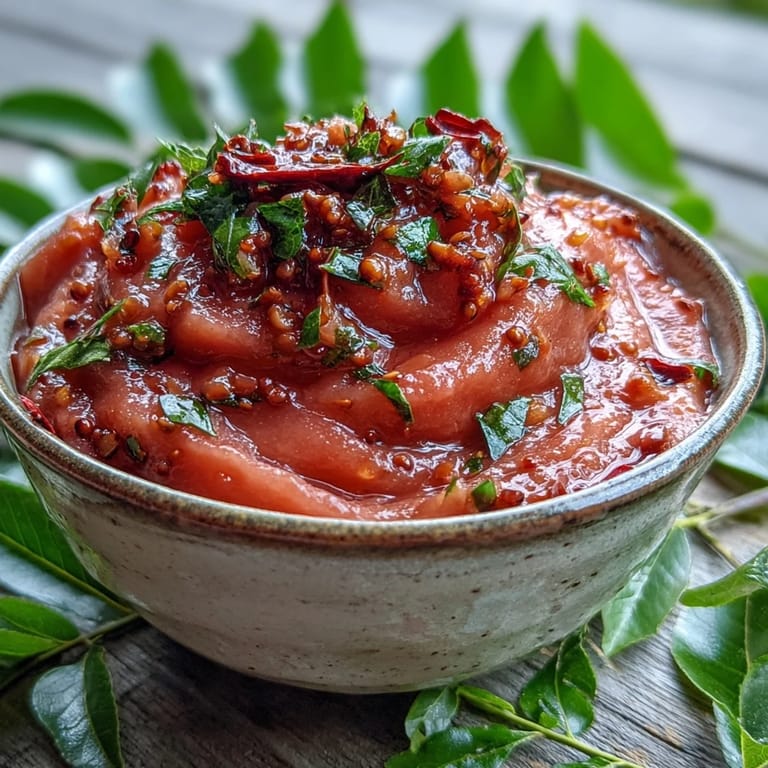
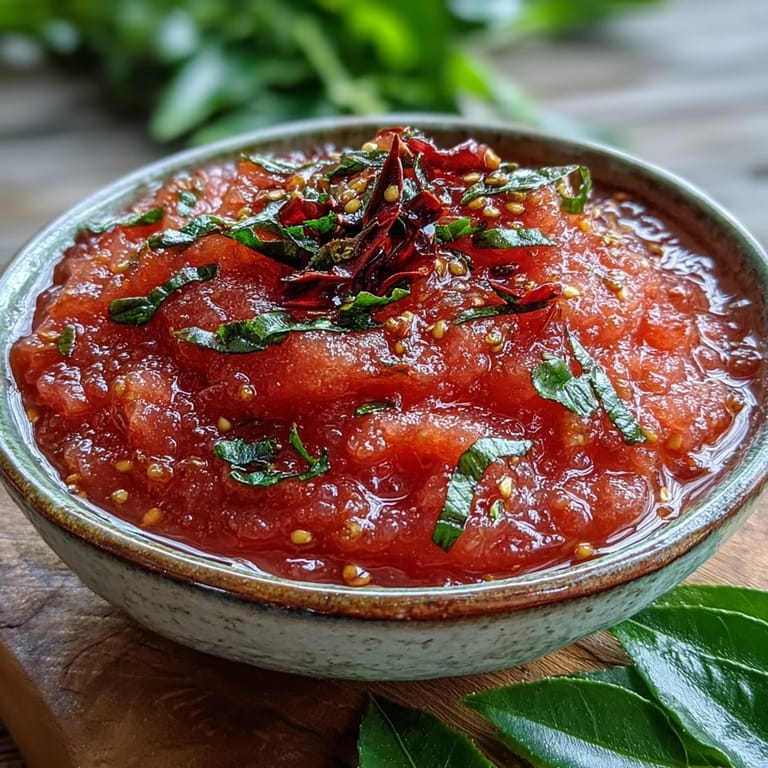
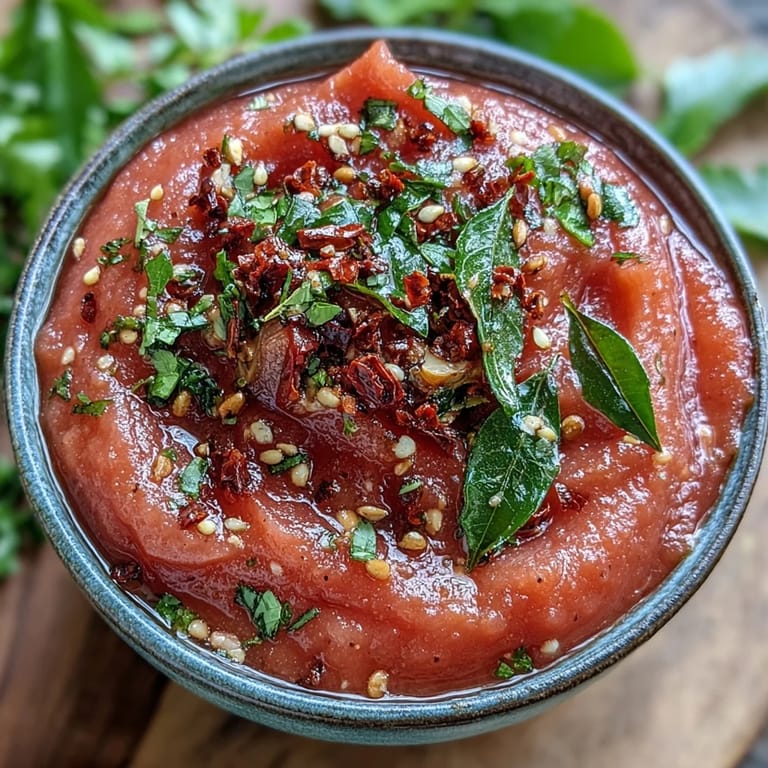
- Pour the entire tempering—oil and all—directly over your chutney. Stir well to distribute everything evenly, letting the warm oil coat every bit of the green mixture.
 Save Pin
 There's a moment when you pour that hot tempering over the green chutney and the kitchen fills with that sharp, toasted aroma—that's when you know you've done something right. My kids started asking me to make extra jars because apparently it tastes even better as leftovers.
When Semi-Ripe Is Actually Perfect
Most people buy ripe guavas and wonder why their chutney turns into applesauce. The secret is catching them at that in-between moment—firm enough to hold their shape, sweet enough to balance the lime, and tart enough to sing against creamy dosa. If your guavas are soft, they were already ripe; if they're rock-hard, give them a day or two. You want them to yield slightly to pressure without being mushy.
The Art of Tempering
Tempering is when cooking transforms from following steps into understanding flavor. The mustard seeds splutter and pop as the heat releases their oils, the urad dal turns from pale to deep golden as the starches toast, and the curry leaves crisp up into flavor bombs. This isn't just oil and spices heating up—it's unlocking everything they're capable of. Once you see how dramatically this changes a simple blended mixture into something restaurants charge extra for, you'll want to temper everything.
Storage and Serving Wisdom
This chutney keeps refrigerated for about a week, and honestly tastes better after sitting overnight when all the flavors have gotten to know each other. Serve it slightly cool or at room temperature alongside hot idli or crispy dosa—the temperature contrast is part of the magic. It also works as a surprising sandwich spread, a dip for crispy vada, or even a topping for creamy yogurt.
- Make it spicier by using two green chilies or adding the second dried red chili.
- Adjust thickness by adding more water if it's too thick, or letting it sit uncovered to reduce if it's too loose.
- Always taste and season at the very end, because both salt and lemon juice can shift slightly once the tempering is mixed in.
 Save Pin
 This chutney taught me that sometimes the best recipes are the ones that seem simple until you actually make them and realize there's a reason they've been made the same way for generations. Now it's become my go-to dish to make for friends, and it never doesn't impress.
Recipe FAQs
- → What makes this guava chutney tangy?
The natural tartness from semi-ripe guavas combined with fresh lemon juice creates the tangy flavor profile that balances the sweetness from jaggery.
- → Can I adjust the spiciness level?
Yes, simply reduce or increase the number of green chilies based on your heat preference. The dried red chili in tempering adds mild warmth without overwhelming spice.
- → How long does this chutney stay fresh?
Stored in an airtight container in the refrigerator, this chutney stays fresh for 4-5 days. The lemon juice acts as a natural preservative.
- → What can I serve with guava chutney?
This versatile condiment pairs perfectly with South Indian breakfast items like idli, dosa, and vada. It also works as a spread for sandwiches or a dip for snacks.
- → Is the tempering essential?
While the blended mixture tastes good on its own, the tempering adds authentic South Indian flavors and aromatic depth that elevates the overall taste experience.
- → Can I make this without coconut?
Coconut adds creaminess and balances flavors, but you can substitute with roasted peanuts or cashews for a different texture and taste profile.