 Save Pin
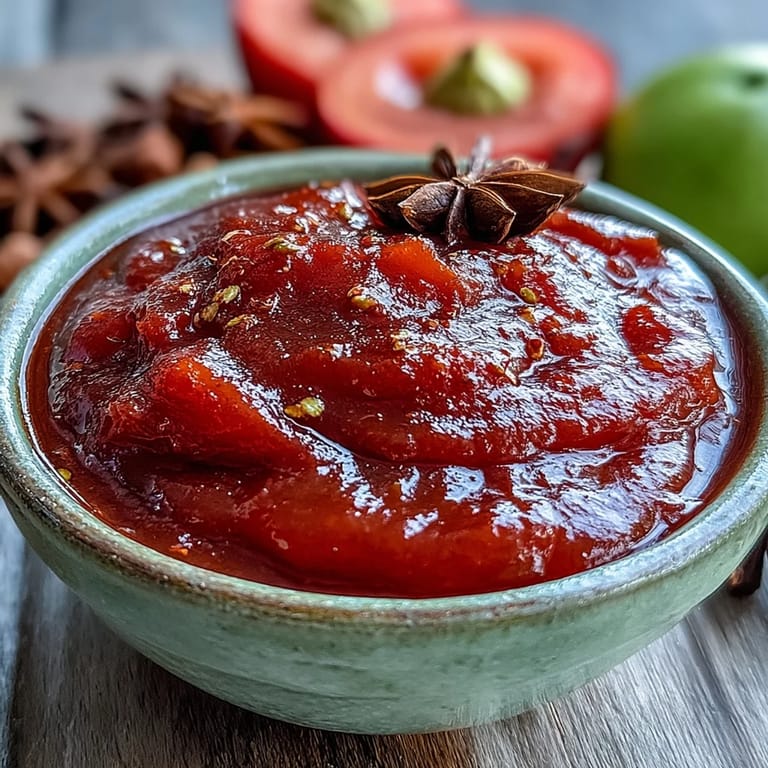
 My neighbor brought over a bottle of homemade guava barbecue sauce last summer, and I watched it disappear into pulled pork within minutes—the kind of condiment that makes people ask for the recipe before they've even finished eating. When she finally shared it, I realized she'd ditched the ketchup bottle entirely, building something brighter and more complex from guava paste, warm spices, and a whisper of molasses. That afternoon, I made my first batch in her kitchen while she told stories about Caribbean picnics, and I understood why she guarded this recipe so carefully. Now it lives in my fridge year-round, and every brush of it onto grilled chicken or tofu feels like bringing a little tropical warmth to ordinary Tuesday nights.
I brought this sauce to a potluck grilling party at my friend's place, and within an hour, people were dabbing it on everything—grilled vegetables, chicken, even asking if it worked on ice cream (it doesn't, but the curiosity was there). Watching someone taste it and visibly relax into the flavor, that moment when a sauce stops being an ingredient and becomes the reason people came back for seconds, that's when I knew this belonged in the permanent rotation.
Ingredients
- Guava paste: This is your foundation, the tropical backbone that makes people wonder what's different about your barbecue sauce—look for it in Latin markets or specialty aisles, and don't substitute with jam without reducing the sugar.
- Apple cider vinegar: It brings acidity and a subtle apple note that plays beautifully against the guava sweetness, cutting through richness like a good friend keeping you honest.
- Smoked paprika: A teaspoon adds a whisper of smokiness that makes grilled food taste even more grilled, even if your grill skills are still developing.
- Onion and garlic: Sauté these first to soften their raw edges and build an aromatic foundation that the spices can dance around.
- Brown sugar and molasses: Together they deepen the sweetness without making it cloying, adding that glossy, almost syrupy texture that clings to food.
- Dijon mustard: A tablespoon adds tang and helps the sauce grip whatever you're glazing, plus it brings a subtle complexity that rounds out the spice blend.
- Soy sauce: This is your umami anchor, the ingredient that makes people taste something savory and satisfying underneath all the tropical sweetness—use tamari if you're keeping it gluten-free.
Tired of Takeout? 🥡
Get 10 meals you can make faster than delivery arrives. Seriously.
One email. No spam. Unsubscribe anytime.
Instructions
- Build your aromatic base:
- Heat olive oil over medium heat and let the onion soften until it's translucent and starting to caramelize slightly at the edges, about 3 to 4 minutes. Add the garlic and let it perfume the oil for just a minute—you want fragrant, not burned.
- Introduce the guava:
- Pour in the guava paste, water, and apple cider vinegar, stirring gently until the paste dissolves into the liquid like a slow-motion watercolor spreading through the saucepan. Don't rush this—let the warmth do the work.
- Layer in the spices:
- Add smoked paprika, cumin, black pepper, chili powder, allspice, cinnamon, salt, and red pepper flakes if you're feeling bold. Stir for about a minute so the spices bloom and release their oils into the sauce.
- Deepen with sweetness and umami:
- Stir in the brown sugar, molasses, Dijon mustard, and soy sauce, making sure everything dissolves and combines into a cohesive, glossy mixture. This is where the sauce stops being ingredients and starts being a whole.
- Let it simmer and thicken:
- Bring the sauce to a gentle simmer and let it bubble softly for 15 to 20 minutes, stirring occasionally, until it darkens slightly and coats the back of a spoon. You'll notice it becoming more viscous and glossy as it cooks down.
- Smooth it out:
- Remove from heat and blend with an immersion blender until completely smooth, or let it cool slightly and transfer to a regular blender if you prefer. This step transforms it from chunky to silky.
- Taste and adjust:
- Once it cools a bit, taste it—you might want more salt, more heat, or a splash more water if it's too thick. Trust your palate; this is your sauce to own.
 Save Pin
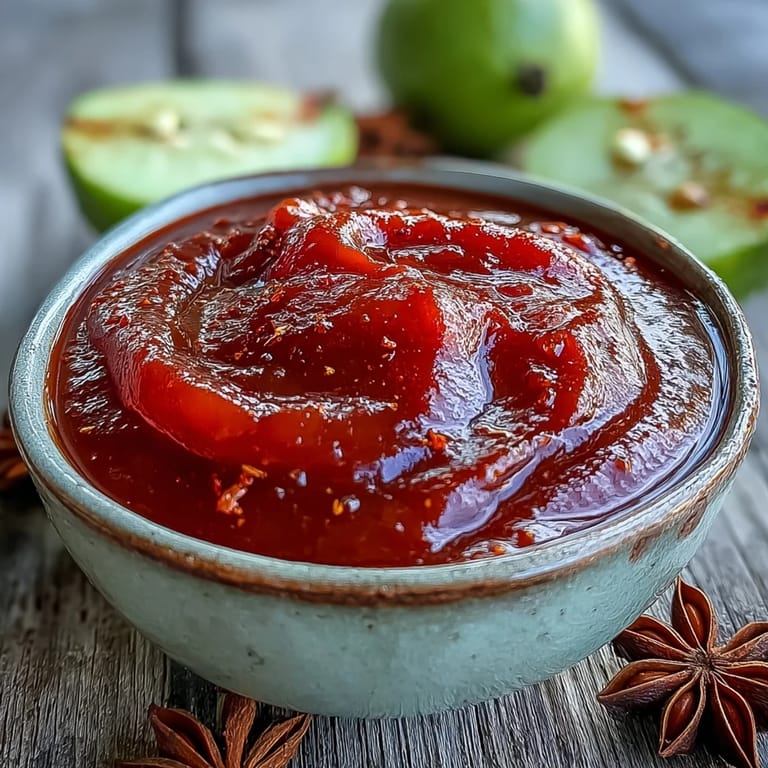
 There's a specific moment when this sauce moves from being something you made to something you reach for, and for me it happened on a quiet evening when I glazed some tofu and realized it tasted restaurant-quality without any of the restaurant fuss. That's when I stopped thinking of it as a project and started thinking of it as a staple, the kind of thing that turns ordinary proteins into something people actually want to eat.
The Guava Advantage
Guava brings something that traditional ketchup-based sauces don't—a natural sweetness that feels tropical and bright without tasting artificial, plus a subtle tartness that keeps the sauce from becoming one-dimensional. The first time someone asks what's in your barbecue sauce and you say guava paste, you'll see their face shift from polite curiosity to genuine intrigue. It's the kind of ingredient that makes home cooks feel like they're doing something different, something a little more adventurous than the expected move.
Spice Layering That Actually Works
The spice blend here isn't just random—smoked paprika gives depth, cumin adds earthiness, allspice and cinnamon whisper warmth without overwhelming, and the red pepper flakes wait patiently in the background for anyone who wants heat. When you add them all at once and let them bloom in the warm oil and sauce, they integrate rather than compete, creating a backdrop that lets the guava and molasses shine. This is the secret that separates a good sauce from one that makes people lean back and recalibrate their expectations.
Making It Your Own
Once you've made this once and tasted how it comes together, you'll start seeing opportunities to personalize it—maybe more heat because you like that edge, or a splash of lime juice because you're feeling citrusy, or even a tiny bit of fish sauce if you're going deep into umami territory. The beauty of building a sauce from scratch is that you get to adjust as you cook, tasting and tweaking until it feels like yours. Here's what I've learned after making this dozens of times:
- If you want it thinner, add water a tablespoon at a time rather than drowning it all at once.
- Let it cool completely before storing—warm sauce in a sealed jar can develop off-flavors or mold.
- This keeps beautifully for two weeks in the fridge, but I usually make a fresh batch every 10 days because I use it faster than I expect.
 Save Pin
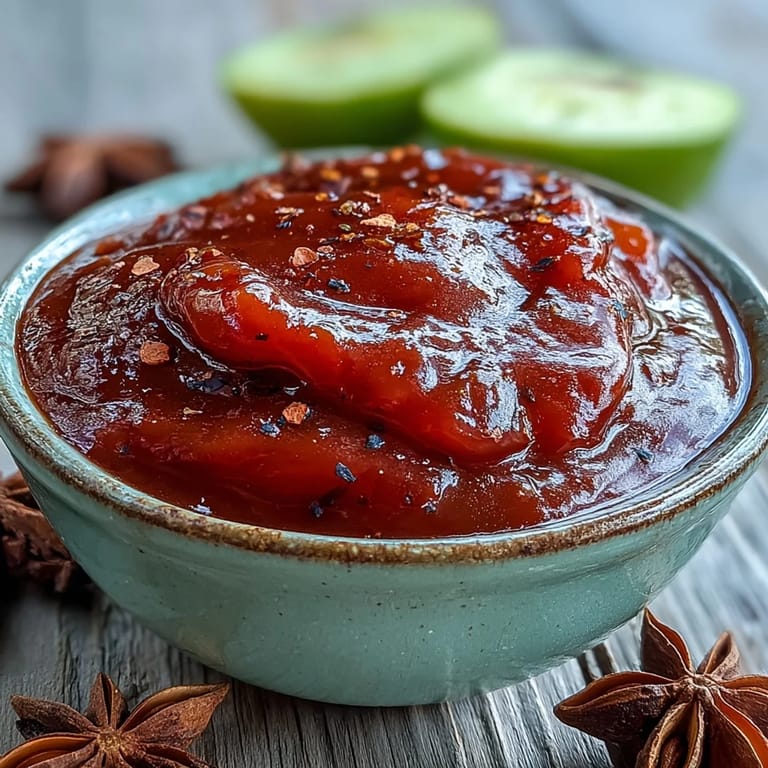
 This sauce has become the thing I make when I want to cook something that feels special without actually being complicated, and that combination—delicious and easy—is hard to beat. Keep a jar in your fridge and you'll start reaching for it more often than you'd expect.
Recipe FAQs
- → What makes guava BBQ sauce different from traditional barbecue sauce?
Guava adds natural tropical sweetness and fruity tang that's distinct from tomato-based sauces. The guava creates a thicker, glossier texture and pairs beautifully with smoky spices like paprika and cumin for Caribbean-inspired flavor.
- → Can I substitute guava paste with something else?
Guava jelly works as a substitute—just reduce the added brown sugar since jelly is already sweetened. Alternatively, mango or pineapple preserves can provide similar tropical sweetness, though the flavor profile will change slightly.
- → How spicy is this sauce?
The sauce has mild heat from chili powder and optional red pepper flakes. It's designed to be family-friendly with a gentle kick. Adjust the spice level by adding more chili powder, red pepper flakes, or hot sauce to taste.
- → What dishes pair best with guava BBQ sauce?
This sauce shines on grilled chicken, pork chops, ribs, and shrimp. It's also excellent as a burger condiment, glaze for roasted vegetables, or dipping sauce for spring rolls and tofu. The tropical sweetness complements savory and salty dishes perfectly.
- → How long does homemade guava BBQ sauce last?
Stored in an airtight container in the refrigerator, this sauce keeps for up to two weeks. The acidity from vinegar and natural fruit preserves help maintain freshness. Always use a clean spoon when serving to prevent contamination.
- → Do I need to blend the sauce?
Blending creates a smooth, restaurant-style texture, but it's optional. If you prefer a rustic sauce with bits of onion and garlic, skip blending. For the silkiest results, use an immersion blender or standard blender after cooling slightly.