 Save Pin
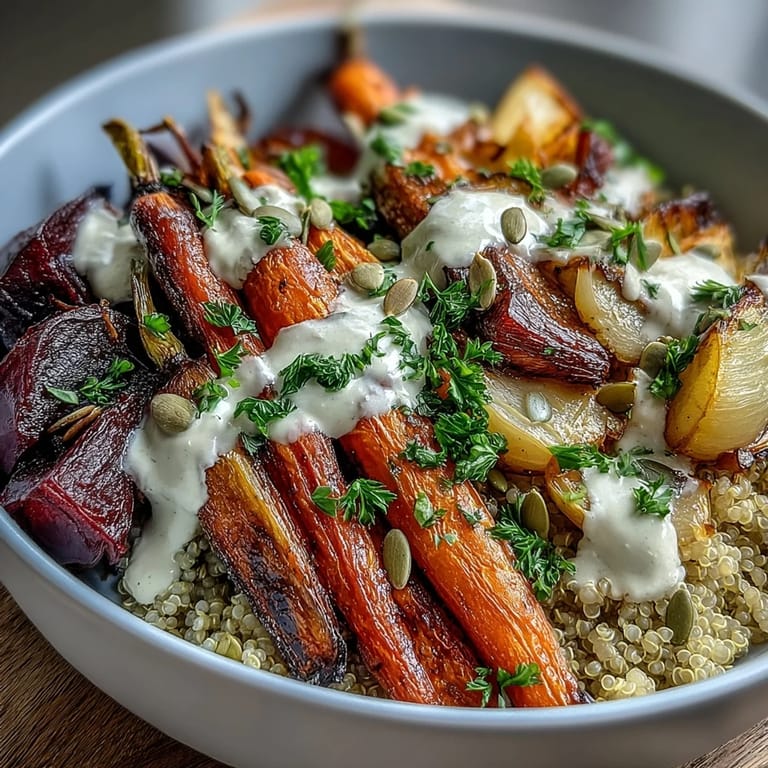
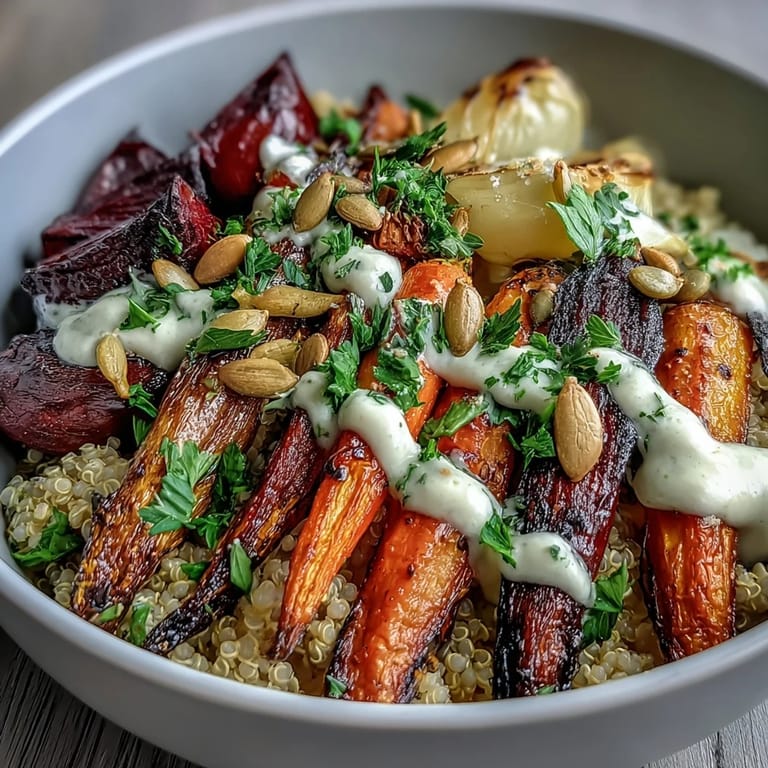
 There's something almost meditative about watching root vegetables transform in a hot oven—the way their edges turn deep golden and sweet while their insides become tender enough to break apart with a fork. I discovered this bowl on a gray autumn afternoon when I had an abundance of vegetables from the farmers market and absolutely no inspiration for dinner. The moment I tasted that first forkful of caramelized carrot against the nutty quinoa and silky tahini sauce, I knew I'd found something I'd be making all season long.
My friend Sarah came over right after I'd made this for the third time that week, and the smell of roasting beets and parsnips hit her the moment she walked through the door. She texted me two days later saying she'd already made it twice—once for herself and once for a dinner party where someone asked for the recipe before dessert even arrived. That's when I realized this bowl had the rare quality of being both comforting and impressive, honest and elegant all at once.
Ingredients
- Carrots: Their natural sweetness amplifies when roasted, so don't peel them too thin or you'll lose that tender layer just underneath the skin.
- Beets: Cut them the same size as other vegetables so they roast evenly; if yours are particularly large, halve them first.
- Turnips: Often overlooked, they become creamy and slightly sweet when roasted, adding an earthiness the other roots can't quite match.
- Parsnips: These are the real secret—they caramelize faster than carrots and contribute a subtle, almost nutty flavor that ties everything together.
- Olive oil: Use good quality here since it coats everything and becomes part of the flavor profile; you'll taste the difference.
- Sea salt and black pepper: Season generously before roasting so the vegetables develop a flavorful crust.
- Dried thyme or rosemary: Optional but worth it; the herbs infuse the oil and make the whole pan smell like autumn.
- Quinoa: Rinse it thoroughly before cooking to remove the bitter coating, then fluff it gently with a fork so each grain stays separate.
- Vegetable broth: If you have it, use broth instead of water for deeper flavor that actually makes a noticeable difference.
- Tahini: Buy roasted tahini rather than raw if this is your first time; it has a warmer, less bitter taste that rounds out the sauce beautifully.
- Lemon juice: Fresh is absolutely worth the squeeze—bottled won't give you that bright, cutting edge that balances the rich tahini.
- Garlic: One small clove is enough; use a microplane if you have one so it distributes evenly throughout the sauce.
- Maple syrup or honey: A tiny amount tempers the tahini's earthiness and adds just enough sweetness to make you wonder why you tasted it at all.
- Fresh parsley: Chop it just before serving so it stays vibrant and doesn't turn dark and melancholy in the bowl.
- Toasted pumpkin or sunflower seeds: These add textural contrast and a satisfying crunch that makes each bite more interesting.
Tired of Takeout? 🥡
Get 10 meals you can make faster than delivery arrives. Seriously.
One email. No spam. Unsubscribe anytime.
Instructions
- Prep your workspace and preheat:
- Get your oven heating to 425°F while you line a baking sheet with parchment paper—this small step saves you from sticking and makes cleanup almost joyful. Cold parchment paper helps the vegetables brown evenly.
- Cut and coat the vegetables:
- Peel and cut all your root vegetables into roughly one-inch pieces so they roast at the same speed; raggedy cuts cook unevenly and some pieces will char while others stay pale. Toss everything in a bowl with olive oil, salt, pepper, and herbs until each piece is glossy and coated.
- Roast until golden:
- Spread the vegetables in a single layer on your prepared baking sheet and slide them into that hot oven; you'll know you're halfway through when you stop to stir around the 15-minute mark. They're done when the edges are deep caramel-brown and a fork slides through the centers with almost no resistance, usually around 30 to 35 minutes.
- Cook the quinoa while vegetables roast:
- Rinse your rinsed quinoa with water or broth and salt in a medium saucepan, bring it to a boil, then immediately lower the heat and cover it with a lid. After 15 minutes of gentle simmering, remove it from heat, keep the lid on, and let it steam for 5 minutes before fluffing with a fork so each grain separates.
- Blend the tahini sauce:
- Whisk tahini with lemon juice, water, minced garlic, salt, and a tiny drizzle of maple syrup in a small bowl until it transforms from dense and thick into something smooth and pourable. Add water one tablespoon at a time if it's too thick; you want it to coat a spoon without running off immediately.
- Assemble and serve:
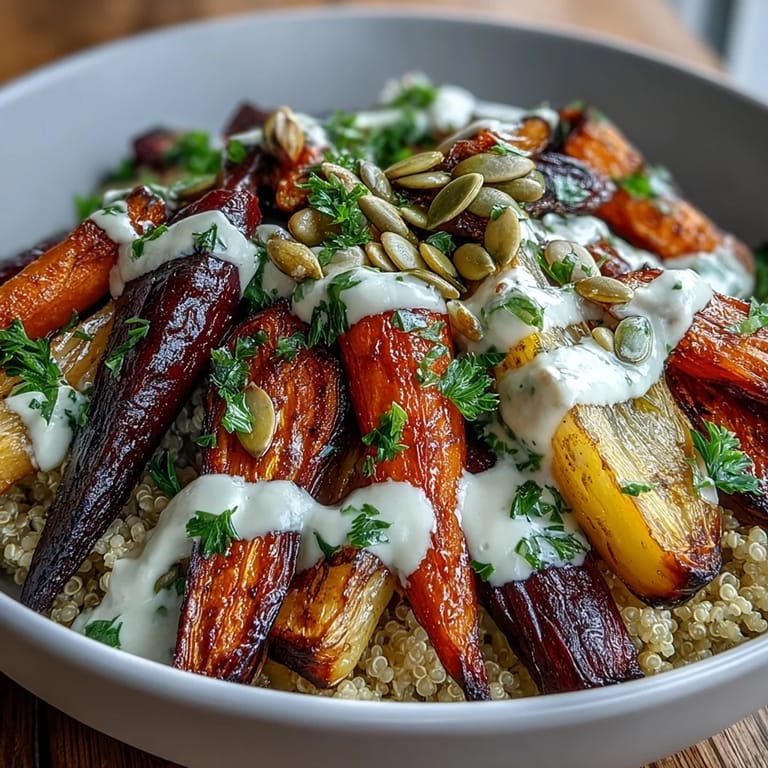
- Divide fluffy quinoa among four bowls, arrange the warm roasted vegetables on top, then drizzle everything with that creamy tahini sauce. Finish with a scatter of fresh parsley and toasted seeds, and serve immediately while the vegetables are still warm.
 Save Pin
 One evening I made extra tahini sauce because I wasn't sure of the consistency, and ended up drizzling it over everything in my refrigerator for the next week. My partner caught me using it on roasted broccoli and suddenly we were having a conversation about how this one sauce had somehow made boring vegetables exciting again. It's those small moments of discovery in the kitchen that remind me why I love cooking—the recipe is just the beginning.
The Magic of Root Vegetables
Root vegetables have this quiet confidence about them; they don't need much to shine, just time in a hot oven and maybe a whisper of salt. When you roast them together, something beautiful happens—the sweeter vegetables like carrots and parsnips become even more honeyed, while the earthier ones like beets and turnips develop this creamy, almost buttery texture. The key is respecting that they all cook at slightly different rates, which is why cutting them to similar sizes matters more than you'd think.
Making It Your Own
This bowl is honestly a love letter to whatever you have in your vegetable bin, so feel free to swap in rutabaga, celeriac, or even hearty vegetables like Brussels sprouts torn into smaller pieces. If you're looking to add more protein without much fuss, a handful of roasted chickpeas tossed into the pan for the last five minutes of roasting time works beautifully, or crack a poached egg right into the center of the bowl just before serving. The tahini sauce is flexible too—if you love garlic, add another clove; if you're a lemon lover like me, squeeze an extra half into the bowl.
Leftover Magic and Storage
This bowl actually gets better the next day when all those flavors have had time to become friends with each other, making it an ideal lunch to pack into containers. Store the roasted vegetables and quinoa separately from the tahini sauce if you can, since the sauce softens the vegetables slightly after a few hours; just warm everything gently on the stovetop or eat it cold if you prefer. I sometimes make double batches on Sunday and have lunch sorted for half the week, though honestly the bowl never lasts as long as I plan.
- Roasted vegetables will keep refrigerated for up to four days, making meal prep feel less like a chore and more like you're taking care of future you.
- Make the tahini sauce fresh each time if possible, but it will keep refrigerated for about five days in a covered container.
- If your quinoa dries out, add a splash of broth and heat it gently over low heat while stirring, and it'll come back to life.
 Save Pin
 There's something deeply satisfying about a bowl that feels nourishing and complete without apology, and this one delivers that every single time. Make it once and you'll understand why I keep coming back to it through every season.
Recipe FAQs
- → Can I prepare the vegetables ahead of time?
Yes, you can peel and cut the root vegetables 1–2 days in advance. Store them in an airtight container with cold water to prevent browning, then drain and pat dry before roasting.
- → What other root vegetables work well?
Sweet potatoes, rutabaga, and celery root all roast beautifully alongside the vegetables listed. Just keep pieces similarly sized so they cook evenly.
- → How can I add more protein?
Chickpeas tossed with the vegetables during roasting add both protein and texture. A poached or fried egg on top also makes this bowl more substantial.
- → Can the tahini sauce be made in advance?
Absolutely. The sauce keeps in the refrigerator for up to a week. It may thicken when chilled—simply whisk in a bit more water to reach the desired consistency.
- → Is this bowl freezer-friendly?
The roasted vegetables and cooked quinoa freeze well separately for up to 3 months. Thaw and reheat gently, then add fresh tahini sauce and garnishes just before serving.