 Save Pin
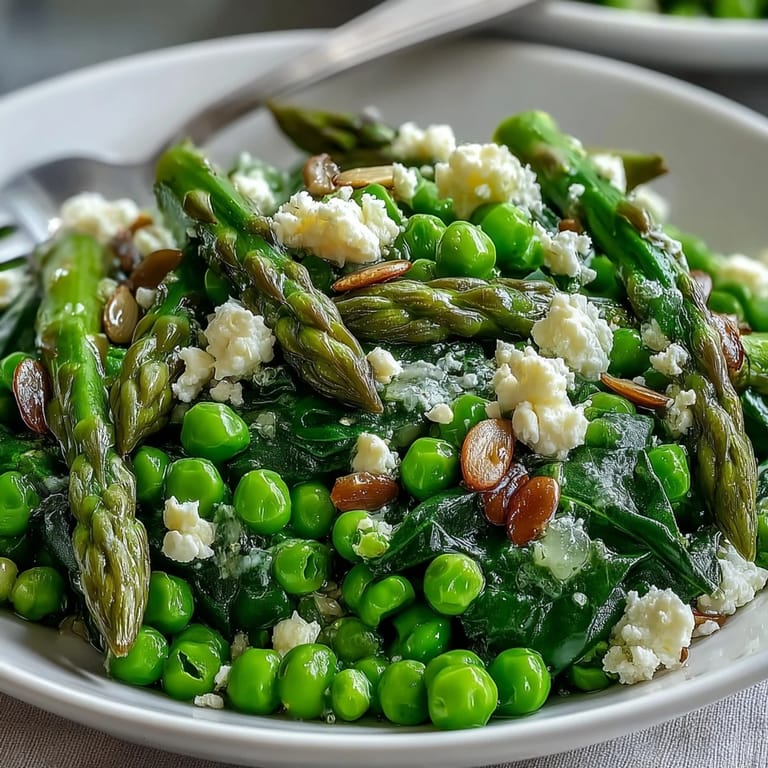
 Last spring, I was standing at the farmer's market on a Saturday morning when the vendor handed me a bunch of asparagus so fresh it still had dew on it, and I found myself thinking about how much I wanted to build an entire meal around the feeling of that moment—bright, alive, simple. That's when the Spring Green Bowl was born, a layered celebration of everything green that tastes like you've just stepped into a garden. It's the kind of dish that makes you feel nourished without feeling like you're trying, and somehow it captures that particular magic of cooking when the seasons finally turn and everything becomes possible again.
My sister came over for lunch on a Tuesday when she was feeling overwhelmed, and I threw this bowl together almost without thinking. Watching her face light up as she took the first bite—the way she paused and actually tasted it instead of just eating—reminded me that food doesn't need to be complicated to matter. She's made it every week since, and she texts me photos from her kitchen.
Ingredients
- Quinoa, brown rice, or farro (1 cup, 180 g): I choose based on texture preference—quinoa for nutty earthiness, brown rice for chewiness, farro for something more substantial and slightly chewy with a wonderful bite.
- Water (2 cups, 480 ml) and salt (½ tsp): The salt seasons the grains from the inside out, which is something I learned after making bland rice for years.
- Fresh or frozen green peas (1 cup, 150 g): Frozen peas are honestly just as good as fresh and sometimes even sweeter—there's no shame in the freezer section.
- Asparagus (1 cup, 120 g, trimmed and cut into 2-inch pieces): I snap them at their natural breaking point rather than measuring with a knife, and it's usually right where they transition from tender to tough.
- Green beans (1 cup, 120 g, trimmed and cut into 2-inch pieces): Their gentle sweetness plays beautifully against the brightness of everything else, so don't skip them thinking they're just filler.
- Baby spinach (2 cups, 60 g): It wilts dramatically in the pan but doesn't disappear entirely—it becomes soft and almost creamy, which is exactly what you want.
- Extra-virgin olive oil (3 tbsp): This is where quality matters, so use something you'd taste on its own and genuinely enjoy.
- Freshly squeezed lemon juice (2 tbsp): Bottled juice changes the whole character of the dressing—fresh lemon is worth the thirty seconds of squeezing.
- Lemon zest (1 tsp): Those little bright flecks add flavor and visual pop that nothing else quite delivers.
- Dijon mustard (1 tsp): It acts as an emulsifier and adds a subtle sophistication that makes people ask what's different.
- Maple syrup or honey (1 tsp): Just enough sweetness to balance the acid without making it dessert-like.
- Garlic clove (1 small, minced): Raw garlic is sharp and alive here, so mince it fine and don't be tempted to use more than called for.
- Salt and freshly ground black pepper: Taste as you go—the dressing should make you pause and smile.
- Toasted pumpkin or sunflower seeds (2 tbsp, optional): They add crunch and earthiness, and the toasting brings out flavors you didn't know they had.
- Crumbled feta cheese (¼ cup, optional): Its tanginess echoes the lemon, but it's easy to skip if you're keeping things vegan.
- Fresh herbs like mint, parsley, or dill (chopped): Mint is my secret weapon here—it adds an unexpected freshness that makes everything taste more spring-like.
Tired of Takeout? 🥡
Get 10 meals you can make faster than delivery arrives. Seriously.
One email. No spam. Unsubscribe anytime.
Instructions
- Rinse and set up your grains:
- Run your quinoa, rice, or farro under cold water in a fine-mesh colander, swishing it gently until the water runs clear—this removes starch and makes the final texture less gluey. Bring the measured water to a boil with the salt, and you'll notice how it smells almost like the sea.
- Simmer until tender:
- Add your grains to the boiling water, lower the heat so it's barely bubbling, cover, and let time do the work. Quinoa takes about 15 minutes, brown rice closer to 35, and farro something in between—check your package, but also trust your instincts by tasting a grain to see if it's tender. When it's done, fluff it with a fork so each grain stays separate and light.
- Blanch the vegetables separately:
- Bring a large pot of salted water to a rolling boil—the salt seasons the vegetables and raises the boiling point slightly, which matters more than you'd think. Working with one vegetable type at a time, drop them in for just 2 to 3 minutes, watching as they transform from dull to brilliantly bright green. The moment they hit that color, fish them out with a slotted spoon and plunge them into a bowl of ice water—this stops the cooking instantly and locks in both the color and the slight snap.
- Wilt the spinach gently:
- In a large skillet over medium heat, add just the spinach with no oil—the moisture already clinging to the leaves is enough. Stir gently for a minute or two until it collapses into tender green ribbons, then turn off the heat so it doesn't overcook and turn dark and bitter.
- Whisk the dressing into being:
- In a small bowl, combine the olive oil, lemon juice, zest, mustard, maple syrup, and minced garlic, then whisk vigorously until it looks creamy and unified rather than separate and broken. Taste it before seasoning—sometimes the lemon and mustard are already salty enough, but add salt and pepper to make yourself happy.
- Layer your bowl with intention:
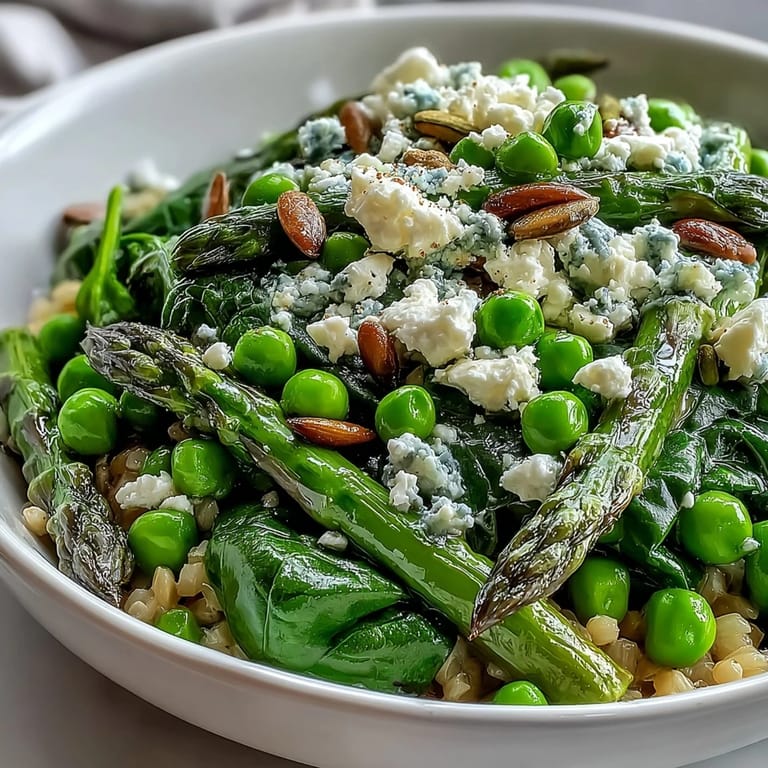
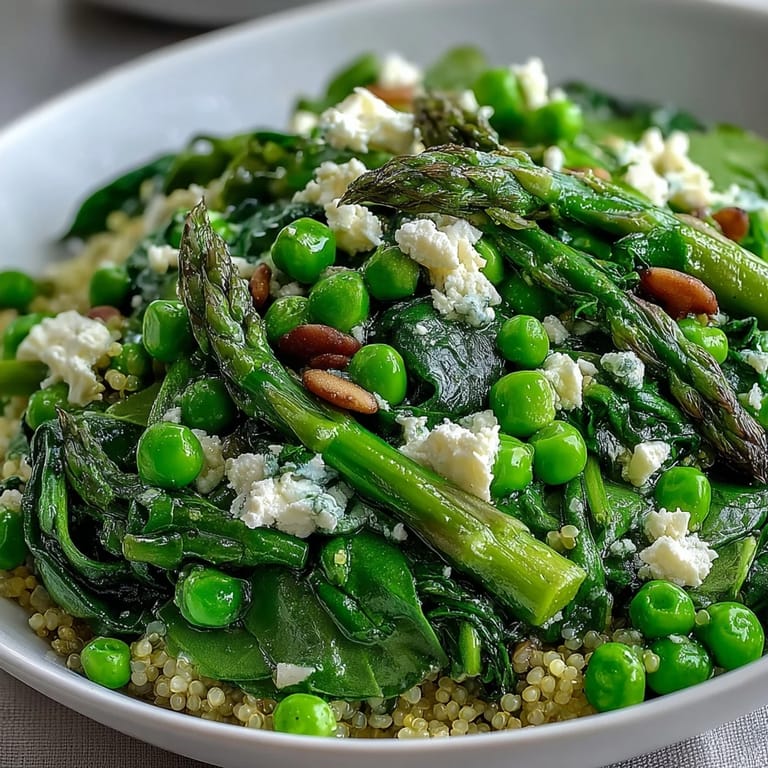
- Start with a generous scoop of warm or cooled grains as your base, then arrange the vegetables on top in whatever pattern makes you smile. Drizzle the dressing over everything so it seeps down and flavors each layer, then scatter the seeds, cheese, and fresh herbs across the top like you're finishing a painting.
 Save Pin
 I made this bowl the day my neighbor came back from chemotherapy, and I left it on her porch without explanation because I wasn't sure what words could possibly fit. Two days later, she called to say it was the first thing in weeks that tasted like something worth eating, and that meant more to me than any recipe ever could.
Building Flavor Through Layering
Each vegetable here tastes different—peas are sweet, asparagus is earthy, green beans are grassy—and when you blanch them separately and arrange them on the grain base, you're creating little flavor conversations across the bowl instead of a monotone mush. The warm grains underneath soften slightly where they touch the dressing, but the vegetables on top stay bright and distinct, and that contrast is what makes you want to keep eating.
The Magic of Lemon in Everything
The dressing is really just lemon with friends, and once you understand how it works here, you'll start adding it to random other bowls and salads because it makes everything taste more like itself. The acid wakes up vegetables that might otherwise seem boring, the mustard adds body and depth, and the tiny bit of sweetness keeps it balanced instead of pucker-inducing. It's proof that you don't need cream or complexity to make something taste restaurant-worthy.
When to Make This and Why It Matters
This is a bowl for when you want to feel good inside and out, for moments when you need nourishment that tastes light rather than heavy. It's equally at home on a Tuesday lunch break as it is at a spring dinner party, and it photographs beautifully without looking like you tried too hard. Make it when you're celebrating the season, when someone needs feeding, or when you just need to remember that eating can feel like a small act of love.
- Prepare all your vegetables the night before and store them separately in the fridge—assembly becomes five-minute magic in the morning.
- The dressing actually tastes better after sitting for an hour because the flavors have time to get friendly with each other.
- If you're taking this to work or a picnic, pack the dressing separately and dress the bowl right before eating so everything stays crisp.
 Save Pin
 This bowl is proof that simple food, made with attention and care, is enough to nourish both body and spirit. Make it for yourself, make it for people you love, and let it become your own version of spring.
Recipe FAQs
- → Can I make this bowl ahead of time?
Yes! Prepare the grains and vegetables up to 3 days in advance. Store them separately in airtight containers in the refrigerator. Keep the dressing in a separate jar and assemble just before serving for the freshest texture and flavor.
- → What other grains work well in this bowl?
Bulgur, couscous, barley, or even cauliflower rice make excellent substitutions. Each brings a slightly different texture and cooking time, so adjust accordingly. Bulgur and couscous cook fastest, while barley needs more time.
- → How do I blanch vegetables properly?
Bring a large pot of salted water to boil, add vegetables for 2-3 minutes until bright green and just tender, then immediately transfer to ice water to stop cooking. This preserves color, nutrients, and that perfect tender-crisp texture.
- → Can I add protein to make it more filling?
Absolutely! Grilled chicken, baked tofu, roasted chickpeas, or even a soft-boiled egg complement the fresh vegetables beautifully. Add your protein of choice during assembly or serve alongside for a complete meal.
- → Is the lemon dressing customizable?
Definitely! Swap maple syrup for honey or agave, add fresh herbs like basil or dill, or adjust the garlic to taste. For a creamier version, whisk in a tablespoon of Greek yogurt or tahini.