 Save Pin
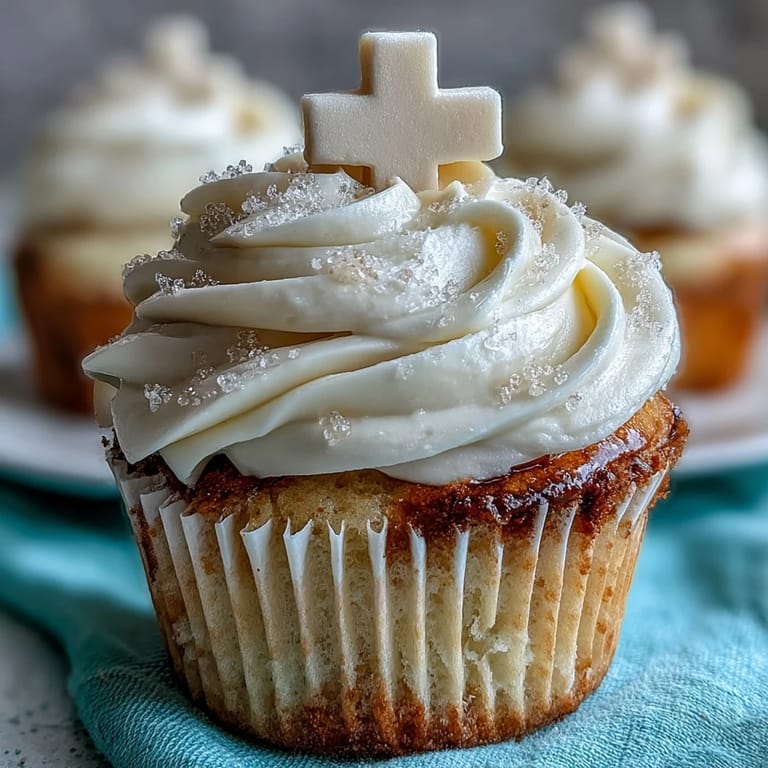
 Long after the church bells faded, it was the quiet hum of the mixer and the soft cloud of powdered sugar that lingered in my kitchen. Baking these Communion Cupcakes became a peaceful ritual on a Saturday morning, sunlight streaming over the counter as I brushed fondant scraps aside. The sweetness in the air always hinted at something special to come. These cupcakes feel like a celebration in your hands—not just for their elegant look, but the comfort and joy folded into each bite.
The first time I made these for my niece’s First Communion, our family kitchen was filled with laughter and careful little hands pressed into fondant. My nephew insisted on helping and ended up dusted in more cornstarch than the counter, but his crosses still turned out charmingly lopsided and perfect for the occasion.
Ingredients
- All-purpose flour: Stick with traditional flour for that classic soft cupcake crumb—be sure to fluff and spoon it into your cup for accuracy.
- Baking powder: The secret to achieving a gentle lift in the cupcakes, always double check it’s fresh for best results.
- Salt: Just a pinch brings out all the subtle sweetness and balances the flavors.
- Unsalted butter (for both cake and frosting): Softened butter makes all the difference for both a smooth batter and creamy frosting; plan ahead and let it come to room temp naturally.
- Granulated sugar: Cream it thoroughly with butter—it’s the foundation of lightness in the cake.
- Eggs: Let them sit out to lose their chill for improved texture and easier mixing.
- Pure vanilla extract: Go for pure extract, never imitation—the aroma alone is worth it and deepens the flavor beautifully.
- Whole milk: The higher fat content keeps the crumb moist and rich, so don’t skip on this.
- Powdered sugar: Always sift before you use in frosting to avoid lumps and keep the buttercream smooth.
- Additional milk (for buttercream): Add this a tablespoon at a time to adjust for spreadability and softness.
- White fondant: Fondant can be finicky but dusting your surface well with cornstarch makes rolling and cutting a breeze.
- Cornstarch: My go-to for working with fondant—prevents sticky disasters and keeps shapes tidy.
Tired of Takeout? 🥡
Get 10 meals you can make faster than delivery arrives. Seriously.
One email. No spam. Unsubscribe anytime.
Instructions
- Line Up and Prep:
- Preheat oven to 350°F (180°C) and line a muffin tin with cupcake papers, feeling that spark of possibility as you smooth each liner into place.
- Whisk and Sift:
- In a medium bowl, whisk together flour, baking powder, and salt—the dry mix should feel soft and airy between your fingers.
- Cream Like a Pro:
- Use your mixer to blend butter and sugar until pale and fluffy, and try not to sneak a taste (though I always do).
- Eggs and Vanilla Join In:
- Beat in eggs one at a time before stirring in vanilla—the kitchen fills with the warm scent even before baking.
- Mix the Batter:
- Add flour mixture and milk alternately, beginning and ending with flour; go gently, mixing just until combined for tender cupcakes.
- Spoon and Bake:
- Divide batter evenly among liners (an ice cream scoop helps!), then bake until golden and a toothpick emerges clean—usually 18–20 minutes.
- Cool Off:
- Let cupcakes rest in the tin for 5 minutes before moving to a wire rack, resisting the urge to frost while warm.
- Buttercream Time:
- Whip softened butter first, then gradually beat in powdered sugar, milk, vanilla, and salt until your frosting holds soft peaks and looks irresistible.
- Swirl and Pipe:
- Fill a piping bag and pipe generous swirls atop each cooled cupcake—try both star and round tips for variety.
- Craft Crosses:
- On a cornstarch-dusted surface, roll out fondant thinly, cut out crosses, and set aside to air dry until firm yet delicate to the touch.
- Final Touch:
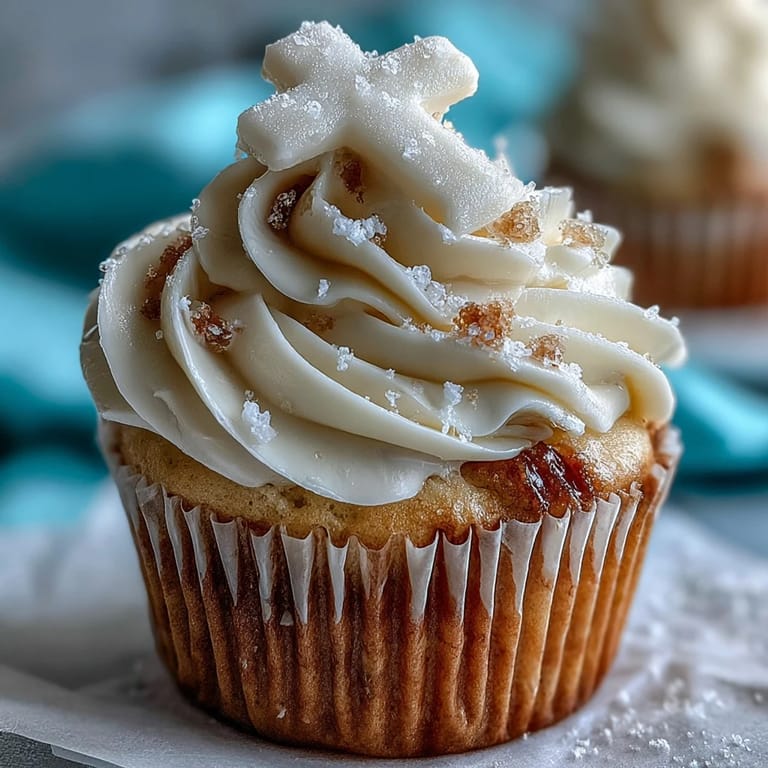
- Place a fondant cross on top of each cupcake, stepping back to admire your edible handiwork before sharing.
 Save Pin
 The joy in my nephew’s eyes when he showed off his finished cupcake—complete with a slightly wobbly fondant cross—kind of made the floury fingerprints all over the fridge worth it. We snapped a picture, and now there’s a framed print next to my stand mixer, reminding me why I bake for moments like these.
Troubleshooting Less-Than-Perfect Bakes
If your cupcakes turn out dense, chances are the batter was overmixed or you pressed the flour too firmly when measuring. A light hand, both in scooping and stirring, is key for that melt-in-your-mouth crumb we’re after. I also discovered that baking on the middle rack avoids scorched bottoms and underdone centers.
Fondant Crosses Made Easy
When you’re new to fondant, it can seem daunting, but cornstarch is honestly a lifesaver for sticky situations. I always roll my fondant a bit thicker if I’m worried about breaking the shapes during peeling and transferring. Little cracks can be smoothed over with the warmth of your fingertip—don’t sweat perfection, because homemade always shines brightest.
Personalize Your Cupcakes for the Celebration
Over the years, I’ve added edible pearl sprinkles or a light shimmer of luster dust to give the crosses an elegant glow. For other occasions, the toppers can be dyed pastel blue or pink. If you have a steady hand, pipe tiny leaf borders with green buttercream to frame the cross beautifully.
- Leave a few cupcakes plain for anyone avoiding fondant.
- Let kids help—imperfect toppers are the sweetest memories.
- Store extras in an airtight container to keep them soft for a day or two.
 Save Pin
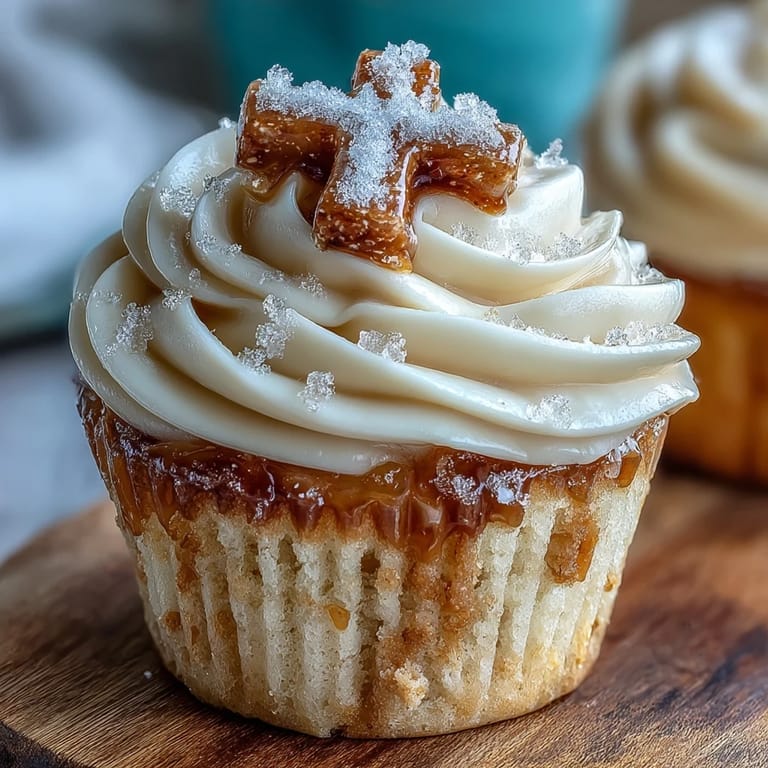
 Whether you serve these cupcakes on a sunlit spring afternoon or as a surprise treat for a loved one, there is always room for a little extra sweetness in special celebrations. I hope each bite brings a smile—just like it still does in my family.
Recipe FAQs
- → How do I keep cupcakes moist?
Cream butter and sugar well, avoid overmixing once flour is added, and measure liquids precisely. Bake just until a toothpick comes out clean and allow cupcakes to cool on a rack to retain moisture.
- → Best way to get smooth buttercream?
Beat softened butter until creamy, add sifted powdered sugar gradually, then add milk and vanilla. Scrape the bowl and beat until light and silky; a short whip at high speed finishes a smooth texture.
- → How thick should I roll the fondant?
Roll fondant to about 1/8 inch (3 mm) for small toppers. Dust the surface lightly with cornstarch to prevent sticking and to keep edges clean when cutting crosses.
- → How long to let fondant crosses dry?
Allow small fondant crosses to air-dry 20–30 minutes on a cornstarch-dusted surface to firm up enough for gentle handling and placement on buttercream.
- → Can I make chocolate versions?
Yes. Substitute 1/4 cup of the flour with unsweetened cocoa powder for chocolate cupcakes. Adjust sweetness slightly if needed and bake the same amount of time.
- → How should I store finished cupcakes?
Store at room temperature up to 2 days in an airtight container. For longer storage, refrigerate; bring to room temperature before serving for best texture and flavor.