 Save Pin
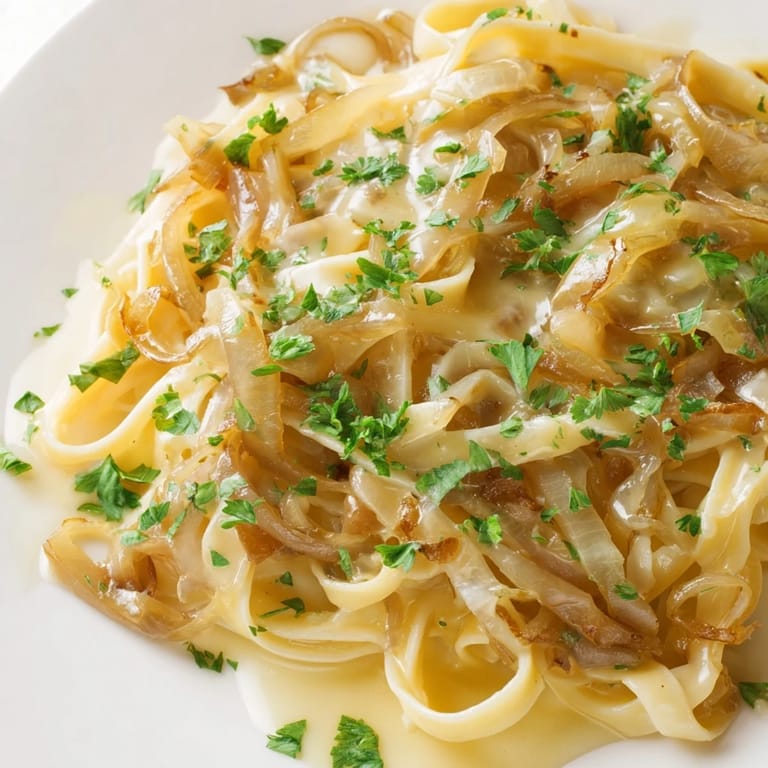
 The first time I made this, I was recovering from a terrible cold and craving something that felt like a hug in a bowl. My grandmother had always sworn by the restorative powers of French onion soup, but I wanted something more substantial. I ended up throwing pasta into the pot halfway through caramelizing the onions, mostly out of laziness and not wanting to dirty another dish. The result was so incredibly comforting that it immediately became my go-to meal for gray, rainy weekends when I need something warm and rich but dont have the energy for a complicated production.
I made this for my book club last winter when we were discussing a particularly heavy novel, and everyone kept asking for the recipe instead of talking about the book. One friend confessed she normally hates onion dishes but went back for seconds. Thats when I realized this pasta has that rare quality of being simple enough for a Tuesday dinner but impressive enough to serve to people you actually like.
Ingredients
- 3 large yellow onions: Yellow onions sweeten as they cook, becoming deeply flavorful rather than sharp
- 2 cloves garlic: Adds that aromatic backbone that makes the onions taste complete
- 350 g (12 oz) dry fettuccine or linguine: Long noodles catch the cheese sauce beautifully, though any pasta works in a pinch
- 60 ml (1/4 cup) dry white wine: Deglazes the pan and adds brightness that cuts through all that richness
- 1 L (4 cups) vegetable or beef broth: Becomes the pasta cooking liquid and absorbs all those caramelized onion flavors
- 2 tbsp unsalted butter: Combined with olive oil, it helps onions caramelize without burning
- 120 g (1 cup) grated Gruyère cheese: The star that makes everything taste like French onion soup
- 60 g (1/2 cup) grated Parmesan cheese: Adds a salty, nutty depth that balances Gruyères sweetness
- 2 tbsp olive oil: Prevents butter from burning over the long cooking time
- 1 tsp sugar: Helps onions brown and caramelize more evenly
- 1/2 tsp dried thyme: Echoes the classic French onion soup flavors we all love
- 1 bay leaf: Adds subtle herbal notes that make the broth taste complex
- Salt and freshly ground black pepper: Essential for bringing all the flavors together
Tired of Takeout? 🥡
Get 10 meals you can make faster than delivery arrives. Seriously.
One email. No spam. Unsubscribe anytime.
Instructions
- Caramelize the onions low and slow:
- Melt butter with olive oil in a large deep skillet or Dutch oven over medium heat, add onions and sugar, then cook for 20 to 25 minutes until theyre deep golden brown, stirring occasionally and adjusting heat if they start browning too fast
- Wake up the garlic:
- Toss in minced garlic and stir for just 1 minute until fragrant, being careful not to burn it
- Scrape up the good stuff:
- Pour in white wine and use your wooden spoon to scrape up all those browned bits from the bottom, then let it bubble until mostly evaporated, about 2 minutes
- Build the broth base:
- Add thyme, bay leaf, and broth, then bring everything to a rolling boil
- Cook the pasta right in the pot:
- Add uncooked pasta, stir well to submerge, reduce heat to medium low, and simmer uncovered for 10 to 12 minutes, stirring frequently so nothing sticks, until pasta is al dente and most liquid is absorbed
- Make it creamy and cheesy:
- Fish out and discard the bay leaf, then stir in Gruyère and Parmesan until melted into a glossy sauce that coats every strand
- Season and serve immediately:
- Taste and add salt and pepper as needed, then serve hot while the cheese is still melted and gooey
 Save Pin
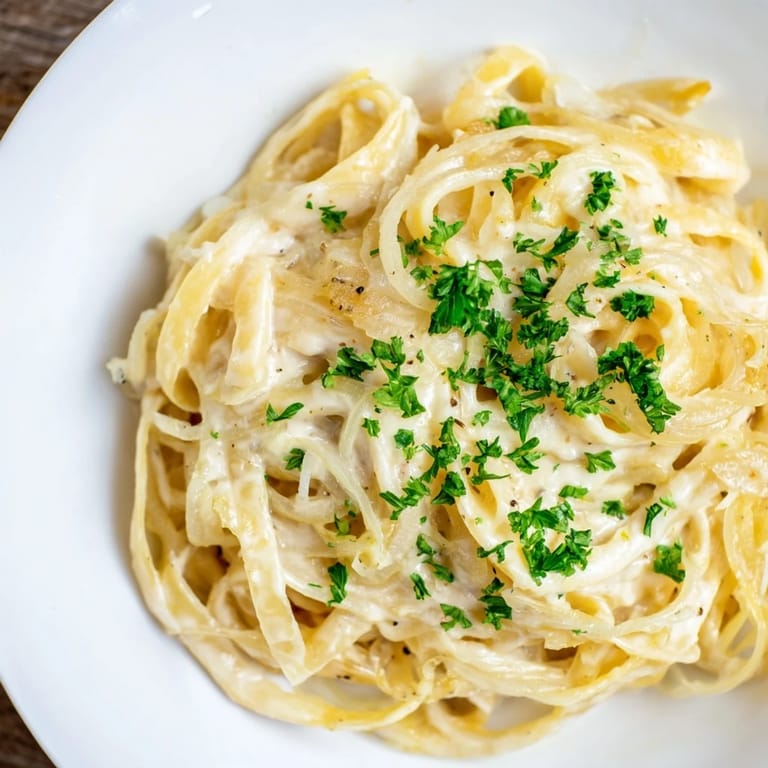
 This pasta has become my default gift for friends who are sick, grieving, or just having a rough week. Something about the combination of sweet onions, salty cheese, and carb heavy comfort makes people feel cared for in a way thats hard to articulate. My neighbor texted me at 11 PM after I dropped some off for her family, saying her husband had three bowls and finally fell asleep for the first time in days.
Choosing Your Broth
Beef broth gives you that classic French onion soup depth and richness, while vegetable broth keeps it lighter and vegetarian. I keep both in my pantry and decide based on my mood. The beef version feels more substantial and wintry, perfect for snow days. Vegetable broth lets the onions sweetness shine through more clearly.
Make It Your Own
Sometimes I add sautéed mushrooms during the last few minutes of onion cooking for earthiness. Other times I stir in a handful of spinach right before the cheese melts to feel slightly virtuous. A splash of sherry instead of white wine adds a lovely nutty sweetness. Once I topped it with garlicky breadcrumbs and it was excellent.
Serving Ideas
This pasta stands alone perfectly as a meal, but a crisp green salad with sharp vinaigrette cuts through the richness. A glass of the same white wine you used in the pasta ties everything together. I also love roasted broccoli or asparagus on the side for something fresh and bright.
- Let it rest for 5 minutes before serving so the sauce thickens slightly
- Pass extra cheese at the table because everyone will want more
- Reheat leftovers with a splash of broth to bring back the creamy texture
 Save Pin
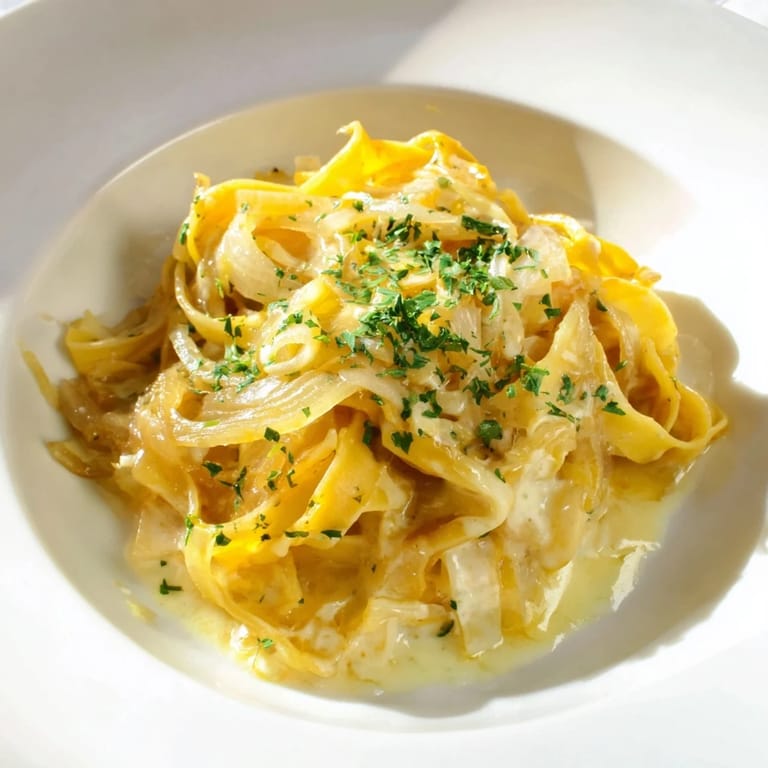
 This is the kind of pasta that makes people lean back in their chairs and exhale deeply, shoulders dropping three inches. I hope it brings someone that same feeling of comfort.
Recipe FAQs
- → How do I caramelize onions perfectly?
Cook sliced onions slowly over medium heat with butter and sugar, stirring occasionally for 20-25 minutes until they turn deep golden brown and sweet.
- → Can I substitute the cheeses used?
Yes, you can replace Gruyère with Swiss cheese, and Parmesan with another hard cheese if preferred, to maintain a creamy, melty texture.
- → What type of broth works best?
Vegetable broth keeps it vegetarian, while beef broth adds richness and depth to the flavor.
- → How do I prevent pasta from sticking during cooking?
Stir frequently during simmering and maintain a low simmer to ensure even cooking and to prevent sticking.
- → What wine pairs well with this dish?
A crisp white wine such as Sauvignon Blanc complements the caramelized onions and cheesy richness perfectly.
- → Can I add other ingredients for more flavor?
Adding sautéed mushrooms or fresh herbs like thyme enhances depth and complexity without overpowering the dish.