 Save Pin
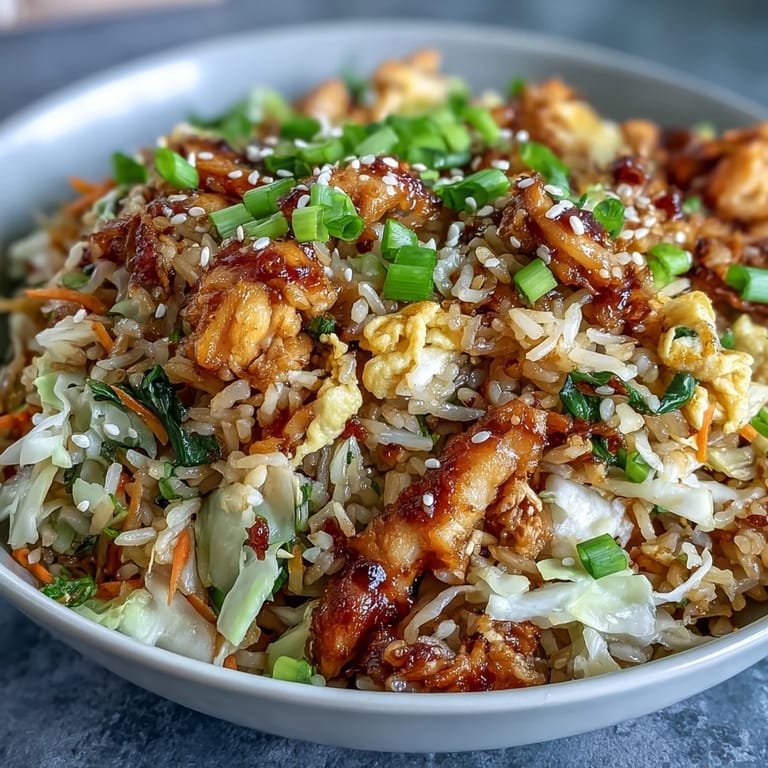
 There's something about the sizzle of ground chicken hitting hot oil that makes me feel like I've got a restaurant kitchen in my apartment. Years ago, I was trying to recreate that addictive egg roll flavor without the deep-frying mess, and fried rice seemed like the obvious answer. The first time I combined crispy cabbage, tender chicken, and that savory sauce all in one pan, my roommate literally stopped what she was doing mid-sentence just to ask what smelled so good. That's when I knew I'd cracked the code on something special.
I made this for a potluck once when I was running late and didn't want to show up with store-bought anything. I threw it together in my tiny dorm kitchen, transferred it to a serving dish, and watched three different people go back for seconds without even asking what was in it. One friend asked if I'd finally opened that restaurant I was always joking about starting, and honestly, that compliment meant more than any fancy meal ever could.
Ingredients
- Ground chicken: Use chicken that's been broken into small pieces as it cooks, not pressed into a patty, so it gets those little crispy edges everywhere.
- Eggs: Two large ones scrambled right in the pan give you protein texture and richness without needing cream or butter.
- Green cabbage: Thinly sliced cabbage is your secret weapon for that egg roll flavor and crisp texture that sticks around even after sauce hits it.
- Carrots: Julienned thin so they soften quickly but keep their slight crunch and natural sweetness.
- Bean sprouts: Optional but they add a fresh crispness that makes each bite feel alive, especially if you catch them right before they wilt.
- Green onions: Split them into whites and greens, cooking the whites early for depth and scattering the greens on top for brightness.
- Garlic and ginger: These two together are what makes your kitchen smell like you actually know what you're doing, even if you're just winging it.
- Jasmine rice: Day-old and cold from the refrigerator is non-negotiable if you want that fried texture instead of mushy rice soup.
- Soy sauce: The backbone of the whole dish, bringing umami and salt in one pour, but taste as you go because brands vary wildly in saltiness.
- Oyster sauce: Just one tablespoon adds depth and a subtle sweetness that makes people wonder what your secret ingredient is.
- Sesame oil: Toasted sesame oil smells incredible and a little bit goes a long way, so don't overdo it or it'll overpower everything else.
- Rice vinegar: The acid that makes all the other flavors pop and keeps the dish from tasting one-dimensional and heavy.
- Vegetable oil: High heat oil that won't smoke out your kitchen, divided into two portions so you're not cooking everything in chicken fat.
Tired of Takeout? 🥡
Get 10 meals you can make faster than delivery arrives. Seriously.
One email. No spam. Unsubscribe anytime.
Instructions
- Mise en Place Your Way to Success:
- Before you turn on any heat, slice your cabbage into thin ribbons, julienne your carrots, mince your garlic and ginger, and pull that cold rice out of the fridge. Having everything ready means you're not scrambling with a hot pan in front of you, and your timing stays smooth instead of chaotic.
- Brown the Chicken Until It's Golden:
- Heat one tablespoon of oil until it shimmers, then add your ground chicken and break it up constantly with a spatula so you get little crispy pieces instead of one sad lump. Cook for about four to five minutes until it's no longer pink and has started to brown, then season it lightly and set it aside on a clean plate.
- Wake Up the Pan with Aromatics:
- Add your remaining oil, then immediately drop in the garlic, ginger, and the white parts of your green onions, stirring constantly for just one minute until your kitchen smells like a real restaurant. This is the moment where everything changes and you realize the power of these three ingredients working together.
- Stir-Fry Your Vegetables Until They're Just Right:
- Add the cabbage and carrots and keep them moving for three to four minutes, stirring every few seconds so they get slightly tender but never soft. They should still have a little resistance when you bite them, with that slight char on the edges from hitting the hot pan.
- Scramble the Eggs Right in the Pan:
- Push everything to the side, crack your eggs into the empty space, and scramble them gently until they're just barely set with a little moisture still visible. Mix them back into the vegetables so you get little egg pieces throughout instead of one big chunk.
- Add the Rice and Bring Everything Back Together:
- Add your cold rice and crumble any clumps with your spatula or wooden spoon, breaking them apart so the rice gets tossed evenly with all the vegetables and egg. Return your cooked chicken to the pan and stir everything together for about a minute just to get it all acquainted.
- Sauce and Season Like You Mean It:
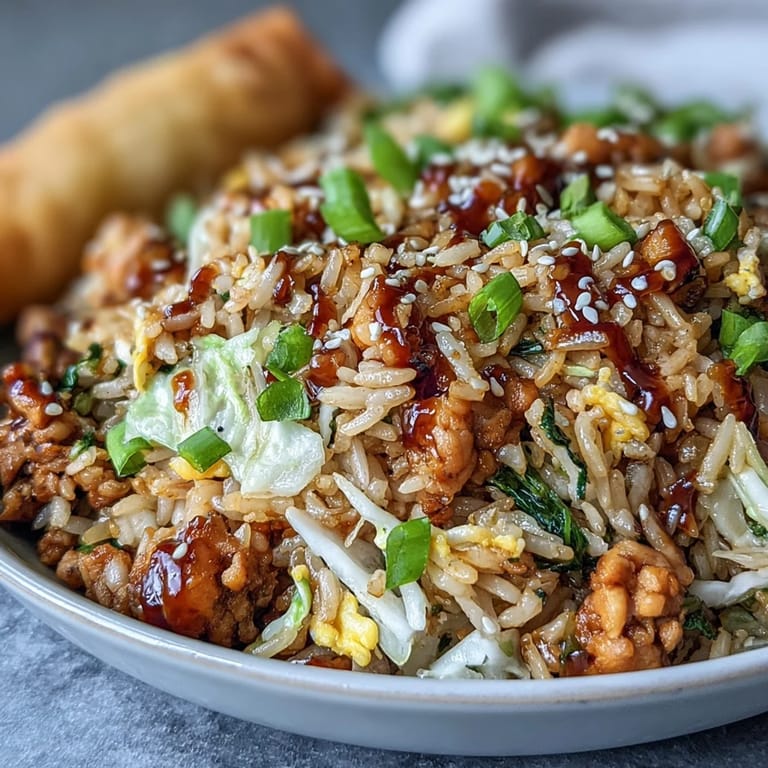
- Pour in your soy sauce, oyster sauce, sesame oil, rice vinegar, white pepper, and chili flakes if you want heat, then toss everything vigorously for two to three minutes so every grain of rice gets coated and the whole thing heats through. The liquid should reduce slightly and the rice should start to look glistening and glossy rather than dry.
- Taste and Adjust Before You Finish:
- Take a spoon and taste a bite of rice with some vegetable and chicken, then decide if you need more salt, more acid, or more sesame oil before you call it done. Trust your palate here because every soy sauce brand is different and overly salty beats the alternative of bland.
 Save Pin
 I made this dish for my sister the night before she moved across the country, and we sat on her kitchen floor eating it straight from the wok with chopsticks because all her dishes were already packed. That simple moment of just two of us sharing good food felt more meaningful than any fancy goodbye dinner ever could have been.
Why Day-Old Rice Actually Matters
The first time I tried fried rice with fresh rice, I learned this lesson the hard way by ending up with a gummy, clumpy disaster that tasted fine but had all the texture of wallpaper paste. Day-old rice has already lost most of its moisture, so when it hits hot oil, each grain stays separate and actually fries instead of steaming itself into a blob. If you're caught without cold rice, spread fresh rice on a sheet pan and let it cool completely before using it, though overnight in the fridge is truly your gold standard.
The Crispy Texture Secret Everyone Misses
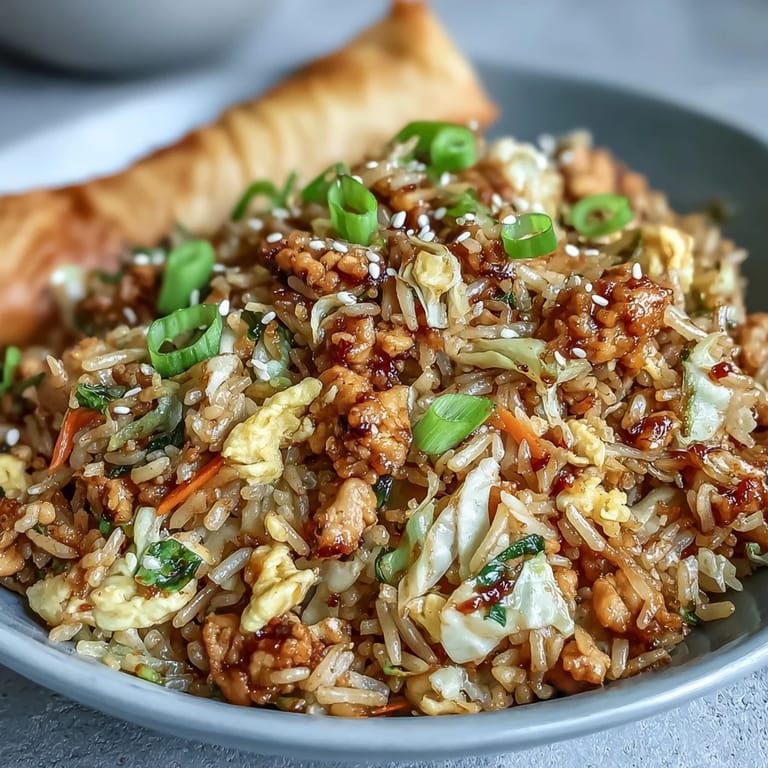
The key to actually crispy fried rice that has those little browned edges on the grains is letting the rice sit undisturbed for the first minute after it hits the hot pan, instead of immediately stirring. This contact with the hot surface creates those golden, crispy bits that make people go back for more even though they swear they're full. Once you see some light browning on the bottom, that's when you start tossing and stirring, and those crispy pieces distribute throughout the whole dish instead of staying stuck to the pan.
Customizing This for Your Mood or What You Have On Hand
Ground turkey works beautifully if chicken isn't what you're feeling, and honestly some people prefer it because it's slightly leaner and still browns wonderfully in the pan. For a vegetarian version, crumbled tofu sautéed separately gives you protein and texture, and you can skip the oyster sauce or use vegetarian oyster sauce to keep it aligned with your choices. Some people add diced pineapple, cashews, or even a tablespoon of peanut butter for richness, and while that's not traditional, it's also your kitchen and your rules.
- Don't be afraid to add extra ginger if you love that spicy-warm flavor lingering in the back of your throat.
- A drizzle of sriracha or sweet chili sauce on the side lets people control their heat level while eating.
- Toast your sesame seeds in a dry pan for thirty seconds just before using them so they taste nutty and alive instead of flat.
 Save Pin
 Every time I make this, I'm reminded that some of the best meals come from wanting to recreate something you loved and then just making it your own instead of following someone else's rules exactly. That's where real cooking happens.
Recipe FAQs
- → Can I use fresh rice instead of day-old rice?
While day-old rice works best for achieving separate, slightly crispy grains, you can use fresh rice. Spread freshly cooked rice on a baking sheet and refrigerate for at least 30 minutes to dry it out slightly before cooking.
- → What other proteins can I substitute for ground chicken?
Ground turkey, pork, or beef work equally well in this dish. For a vegetarian version, use crumbled firm tofu and vegetarian oyster sauce. The cooking time remains the same regardless of protein choice.
- → How do I store and reheat leftovers?
Store cooled portions in airtight containers in the refrigerator for up to 4 days. Reheat in a skillet over medium heat with a splash of water or oil, or microwave in 30-second intervals, stirring between each interval.
- → Can I make this dish spicy?
Absolutely! Add sriracha, chili garlic sauce, or increase the chili flakes to your preferred heat level. You can also serve with additional hot sauce on the side so everyone can adjust their own portions.
- → What vegetables work well in this fried rice?
Beyond cabbage and carrots, try sliced bell peppers, snap peas, broccoli florets, or baby corn. Keep vegetables in bite-sized pieces and add sturdier ones earlier in the cooking process so everything finishes at the same time.
- → Is this dish gluten-free?
Yes, with simple substitutions. Use tamari instead of soy sauce and choose a gluten-free oyster sauce. Most other ingredients, including rice vinegar and sesame oil, are naturally gluten-free.