 Save Pin
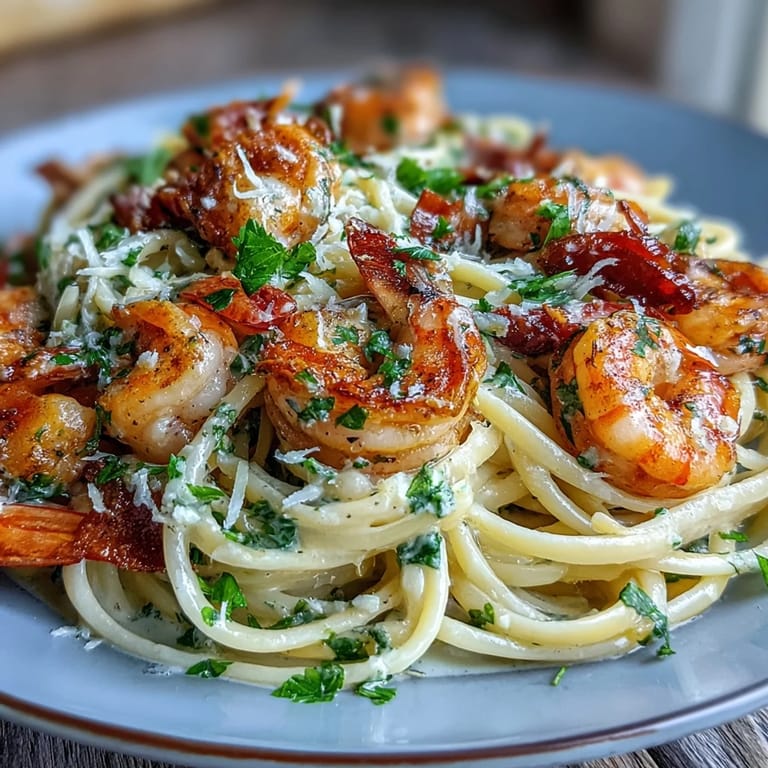
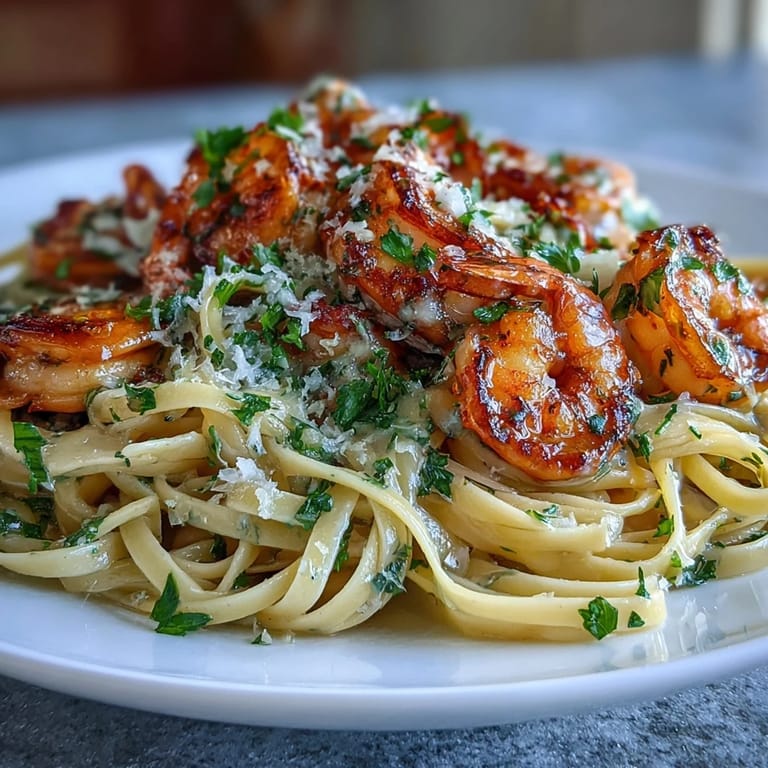
 My neighbor knocked on the kitchen door one April evening, arms full of fresh lemons from her tree, asking if I wanted them before they went to waste. I had exactly one pound of shrimp in the freezer and pasta in the pantry, so within an hour, this dish was born—bright, garlicky, and so simple it felt like cheating to call it cooking. The whole apartment smelled like a Mediterranean coast, and somehow that impromptu dinner became the thing people asked me to make every spring after that.
I made this for my sister's book club last May, and watching five people simultaneously close their eyes on the first bite told me everything I needed to know. She texted me the next day to say someone had asked for the recipe three times, and could I please write it down because they'd forgotten to ask before dessert arrived. That's when I realized this wasn't just dinner—it was the kind of thing people remember about an evening.
Ingredients
- Whole wheat spaghetti or linguine, 12 oz: The heartier texture holds the sauce better than delicate pasta, and the nuttiness plays beautifully with lemon.
- Large shrimp, 1 lb, peeled and deveined: Buy them this way if your market offers it—it saves precious minutes and your hands will thank you.
- Olive oil, 4 tbsp total: Use your better oil here; it's not hidden in a long braise, so quality matters.
- Fresh garlic, 4 cloves, thinly sliced: Slicing rather than mincing gives you little flavor pockets throughout the sauce.
- Crushed red pepper flakes, 1/2 tsp (optional): Just enough to whisper heat without overshadowing the brightness.
- Lemon zest and juice from 3 lemons total: The zest goes in early for complexity; the juice comes later so it stays vibrant and sharp.
- Dry white wine, 1/4 cup: It reduces to almost nothing but adds a subtle sophistication; broth works if you prefer.
- Fresh parsley, 1/3 cup chopped: Added at the very end so it stays verdant and alive on your plate.
- Parmesan cheese, 1/4 cup grated (optional): A whisper of it at the table lets people choose their own adventure.
Tired of Takeout? 🥡
Get 10 meals you can make faster than delivery arrives. Seriously.
One email. No spam. Unsubscribe anytime.
Instructions
- Get the pasta water salted and boiling:
- Use enough salt that the water tastes like the sea—this is your only seasoning for the pasta itself. While it heats, you'll have time to prep everything else without rushing.
- Cook the pasta to al dente:
- Start checking a minute or two before the package says; you want it to have a gentle resistance when you bite it. Reserve that half cup of pasta water before draining—starchy water is liquid gold for bringing a sauce together.
- Pat the shrimp dry and season simply:
- Moisture is the enemy of a good sear, so don't skip this step even though it feels fussy. A pinch of salt and pepper is all they need; the sauce will do the heavy lifting.
- Sear the shrimp quickly over medium-high heat:
- You want color and a kiss of texture on the outside, but the inside stays tender and barely opaque. If you overcook them even a little, they'll seize up, so stay close and use your eyes, not a timer.
- Build the sauce with garlic, wine, and lemon:
- The garlic should smell sweet and toasted, never bitter or dark—watch it closely and lower the heat if needed. The wine will hiss and steam; let it reduce by half so the alcohol cooks off and you're left with concentrated flavor.
- Marry the pasta with the sauce:
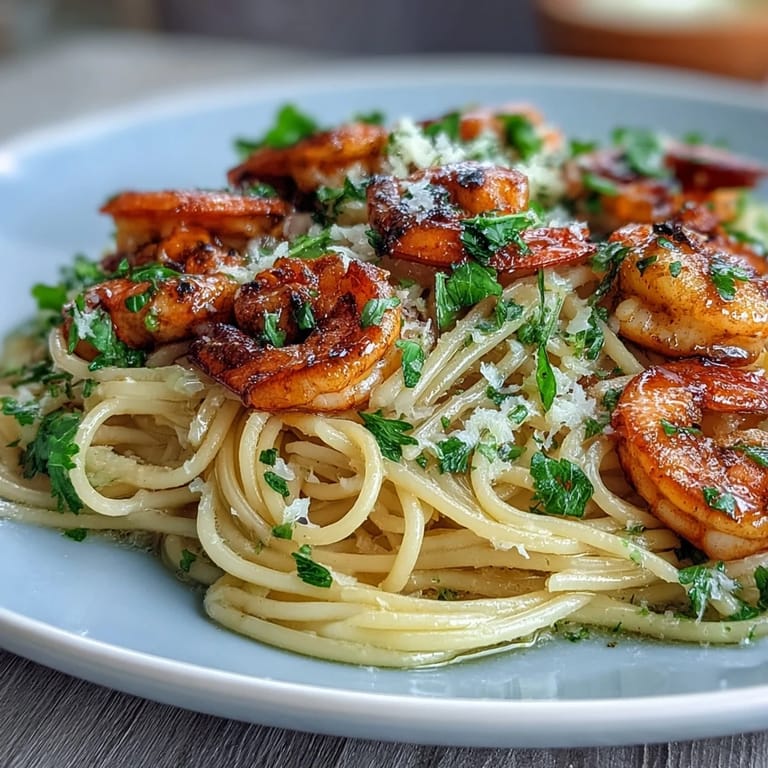
- Toss them together so every strand gets coated, then add that reserved pasta water a splash at a time until the sauce clings to the noodles instead of pooling. It should look glossy and flow gently when you plate it, not clump or run.
- Finish with shrimp, parsley, and a moment of warmth:
- Fold everything together gently so the shrimp stays whole and beautiful. Serve right away while the pasta is still steaming and the flavors are singing.
 Save Pin
 I remember my dad trying it and saying it was the first time he'd understood why people got excited about pasta, and that stuck with me more than any compliment. Something about the simplicity—just good ingredients treated with respect—made it feel like more than dinner.
The Secret of the Lemon
The first time I made this, I added all the lemon juice at the beginning with the wine, and the result tasted flat and a little harsh, like I'd somehow hurt the citrus. I learned that splitting the lemon—zest early, juice late—gives you brightness upfront from the oils in the skin, then a final pop of acidity that wakes everything up when you need it most. It's the same ingredient used two ways, and it changes everything.
Why This Works as a Spring Dinner
There's something about this time of year when people shake off the heaviness of winter cooking and reach for dishes that feel light but still satisfying. This pasta hits that note perfectly—it's filling enough to feel like real dinner, but nothing about it weighs you down or makes you want to nap afterward. The brightness of lemon and fresh parsley feels like a natural response to the season changing outside your window.
Making It Your Own
The bones of this recipe are strong enough to play with, so don't be afraid to improvise a little. I've added handfuls of baby spinach or arugula in the final minute, thrown in a pinch of crushed fennel seed when I had it, or stirred in a spoonful of capers if the mood struck. The core stays the same—bright, garlicky, quick—but you can dress it up depending on what's in your kitchen and what you're craving.
- Try whisking a beaten egg or two into the hot pasta off the heat for a silkier, richer finish, though this leans away from the lightness that makes the dish special.
- If you find fresh shrimp at the market, use them without hesitation; they'll cook faster and taste cleaner than frozen.
- Serve this family-style with everything in the center of the table and let people build their own bowl—it feels generous and inviting.
 Save Pin
 This dish has become my answer to the question every cook faces: what do you make when you want something that tastes impressive but doesn't feel like work. It's been to dinner parties, weeknight dinners, and the occasional moment when I'm cooking just for myself and want to feel a little celebrated.
Recipe FAQs
- → How do I prevent shrimp from overcooking?
Cook shrimp just until pink and opaque, about 1–2 minutes per side, then immediately remove from heat to keep them tender.
- → Can I use gluten-free pasta in this dish?
Yes, substituting gluten-free pasta works well and maintains the dish's fresh flavors.
- → What wine pairs best with this dish?
Crisp white wines like Sauvignon Blanc or Pinot Grigio complement the citrus and garlic notes beautifully.
- → How can I add greens to this dish?
Stir in baby spinach or arugula during the final toss for extra color and nutrition without overpowering the flavors.
- → Is it necessary to reserve pasta water?
Yes, reserved pasta water helps to gently thicken and bind the sauce with the pasta, enhancing texture.