 Save Pin
 There's something about the smell of brown bread baking that stops time in an Irish kitchen. Years ago, I found myself in a cottage outside Cork on a rainy afternoon, watching my friend's mother pull a golden loaf from an old Aga stove, the crust crackling as it cooled. She sliced it thick, spread it with butter that had been whipped with honey, and handed me a piece still warm enough to melt everything into submission. That one bite made me understand why this bread has survived generations—it's impossibly simple, yet it tastes like home.
I made this bread for the first time on a Sunday when unexpected guests arrived mid-morning, and I had nothing in the house except flour and buttermilk. Within twenty minutes, the loaf was in the oven, and by the time we sat down, it was golden and steaming on the table. My neighbor still mentions it sometimes—not because it was fancy, but because it proved that the best moments in cooking often happen when you stop overthinking.
Ingredients
- Whole wheat flour (2 cups): The foundation that gives this bread its deep, nutty character and rustic texture; Irish-style wholemeal is worth hunting for if you can find it, but standard whole wheat works beautifully too.
- All-purpose flour (1 cup): This lightens the dough just enough to keep the crumb tender instead of dense, balancing the earthiness of the whole wheat.
- Baking soda (1 teaspoon): The secret ingredient that reacts with buttermilk to create lift without any yeast required.
- Salt (1 teaspoon): Enhances every flavor and keeps the bread from tasting flat or one-dimensional.
- Rolled oats (2 tablespoons, plus extra for topping): These add a subtle chewiness and visual appeal; the extra oats on top become crispy little gems.
- Brown sugar (2 tablespoons): A whisper of sweetness that plays beautifully with the nuttiness and makes the crust caramelize gorgeously.
- Buttermilk (2 cups): This is not optional—the acidity is what triggers the baking soda and gives the bread its signature tender crumb and tangy depth.
- Unsalted butter, softened (1/2 cup): For the honey butter, use really good butter if you can; it makes a noticeable difference in both texture and flavor.
- Honey (2 tablespoons): Choose something you'd actually eat on its own because you'll taste every drop in this spread.
Tired of Takeout? 🥡
Get 10 meals you can make faster than delivery arrives. Seriously.
One email. No spam. Unsubscribe anytime.
Instructions
- Heat your oven and prepare:
- Preheat to 425°F (220°C) and line a baking sheet with parchment paper or lightly grease a loaf pan. You want everything ready before you start mixing the dough because once the baking soda hits that buttermilk, the clock starts ticking gently.
- Combine your dry ingredients:
- In a large bowl, whisk together the whole wheat flour, all-purpose flour, baking soda, salt, rolled oats, and brown sugar. Mix it well so the baking soda gets distributed evenly—lumpy spots mean uneven rising.
- Create a well and add the wet:
- Make a generous well in the center of your dry mixture and pour in the buttermilk. Using a wooden spoon, stir gently until a soft, shaggy dough forms. This is where patience matters: overmixing develops gluten and makes the bread tough, so stop as soon everything is combined.
- Shape your loaf:
- Turn the dough onto a lightly floured surface and shape it into a round loaf about 2 inches thick. You want it to look rustic and slightly imperfect—that's exactly right. Place it on your prepared baking sheet or in the loaf pan.
- Score and top:
- Using a sharp knife, cut a deep cross on top of the loaf (this is traditional and helps it rise evenly). Sprinkle extra oats on top if you like that textured finish.
- Bake until golden:
- Bake for 35 to 40 minutes, until the top is golden brown and the bottom sounds hollow when tapped. The kitchen will smell like Ireland itself at this point.
- Make the honey butter while bread cools:
- In a small bowl, beat the softened butter, honey, and a pinch of salt until smooth and creamy. You can use a hand mixer or just whisk it vigorously by hand until it turns light and fluffy.
- Slice and serve:
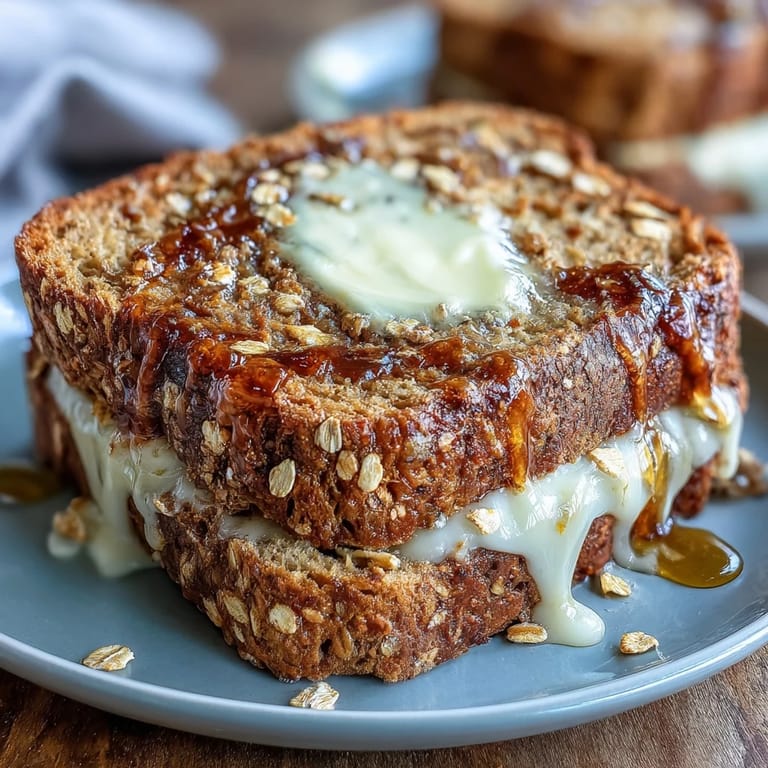
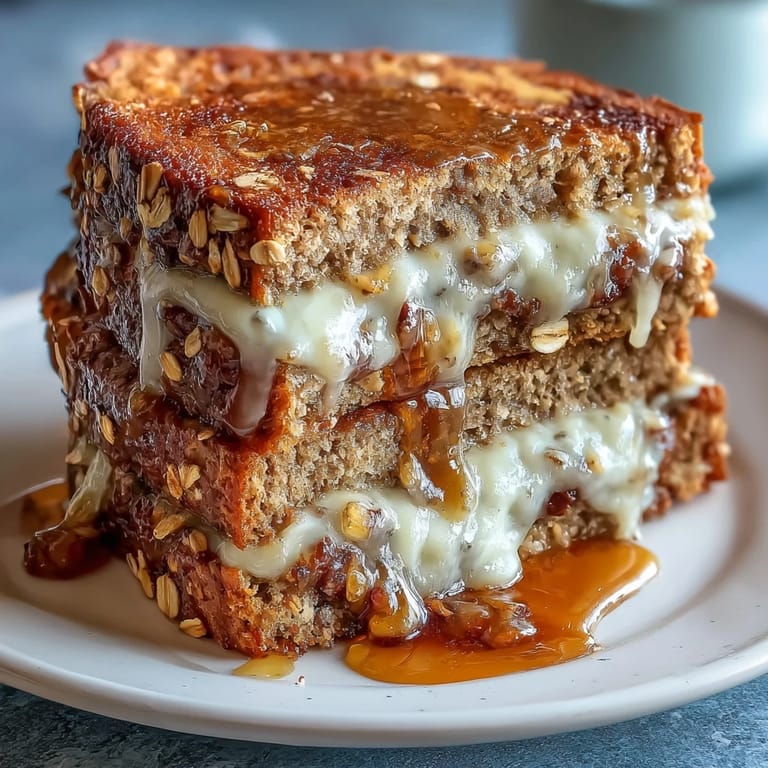
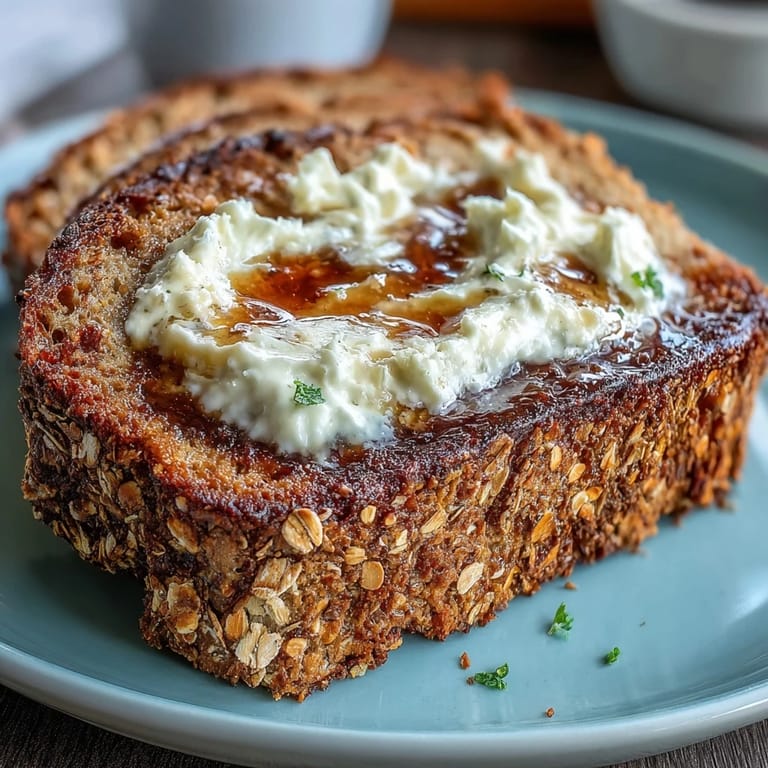
- Once the bread has cooled on a wire rack, slice it thick and serve with generous dollops of honey butter melting into every warm crumb.
 Save Pin
 I learned something unexpected making this bread over and over: it's one of those dishes that actually improves your mood in the kitchen. There's no stress, no precision required, just your hands and a wooden spoon and the knowledge that something delicious is coming. That matters more than I realized.
Why This Bread Feels Like Home
Brown bread has a quiet confidence about it. It doesn't need butter and jam to be good, though honey butter certainly doesn't hurt. I've learned that the best comfort foods are the ones that taste better when you're sitting down with someone, maybe with a cup of tea or while waiting out a rainy afternoon. This bread does that.
Timing and Texture Tips
The dough should be soft and slightly tacky—wetter than regular bread dough, but that's intentional. If it feels stiff, you might not have enough buttermilk, and the finished loaf will be dense. The cross you cut on top isn't just decoration; it actually helps the bread rise evenly and prevents a thick crust from forming on the bottom before the inside is done. These small details are what separate a mediocre loaf from one that people will ask you to make again.
Beyond Breakfast
While this bread is absolutely stunning at breakfast with honey butter, I've found it equally brilliant alongside a warming bowl of soup or stew. I once made it to go with a simple onion and potato soup on a cold evening, and it somehow made everything taste richer and more intentional. The bread soaks up the broth in the most satisfying way, and there's something deeply nourishing about that combination. It's also wonderful toasted the next day, which gives it an entirely different texture and brings out more of the nutty wheat flavor.
- For a nuttier depth, try adding 1/4 cup of chopped walnuts or sunflower seeds to the dough before mixing.
- Keep leftover bread wrapped in paper (not plastic) so the crust stays crispy and the inside doesn't become soggy.
- This bread freezes beautifully for up to three weeks, so make two loaves when you're at it.
 Save Pin
 This bread is proof that the simplest recipes often hold the most magic. Make it, share it, watch how it brings people back for another slice.
Recipe FAQs
- → What makes this bread distinctively Irish?
The use of Irish-style whole wheat flour and a simple blend of oats and buttermilk contributes to its traditional rustic flavor and texture.
- → Can I add nuts or seeds to the bread dough?
Yes, incorporating chopped walnuts or sunflower seeds adds nuttiness and extra texture to the loaf.
- → How should the honey butter be stored after preparation?
Store the honey butter in an airtight container in the refrigerator and bring to room temperature before serving for easy spreading.
- → What is the best way to tell when the bread is fully baked?
The crust should be golden brown and tapping the bottom of the loaf should produce a hollow sound, indicating it is done.
- → Is there a vegan alternative for this dish?
Yes, use plant-based butter and replace buttermilk with a mixture of plant milk and vinegar to maintain flavor and texture.