 Save Pin
 The kitchen filled with a bright, almost zesty aroma the moment the blender spun the whole orange into a sunset-hued swirl. What surprised me most the first time was how seamlessly the bitter zip of the peel mellowed into the sweet promise of cake. I didn’t start this to impress anyone—just a weeknight craving for comfort and the novelty of tossing a whole fruit into dessert. There’s a kind of magic in doing so little and ending up with a cake that tastes like oranges and sunlight. This one swiftly climbed my short list of bakes that feel exciting even when no one’s watching.
One cool spring afternoon, my sister and I started laughing halfway through the process because neither of us had any idea how blending a whole orange (peel and all!) would turn out. When we opened the oven, the caramelized citrus aroma drew in everyone nearby, friends and family alike, and the first wedge was gone before the rest of the cake cooled. That moment marked this recipe as a crowd-friendly secret weapon in my kitchen arsenal, especially when guests show up unannounced. This cake has effortlessly turned skeptical faces into fans more than once.
Ingredients
- 1 large seedless orange (organic, washed and quartered): Using the whole orange—peel and all—gives the cake a natural, deep citrus complexity; organic is essential for a clean flavor.
- 3 large eggs: Eggs are crucial for creating a light, tender crumb in this moist, blended batter.
- 150 ml vegetable oil (sunflower or canola): Oil keeps the cake moist, and a neutral oil ensures the citrus shines through.
- 1 tsp vanilla extract: Adds warmth and rounds out the citrus, a trick I picked up after my second attempt.
- 250 g granulated sugar: Lends sweetness and helps create that irresistible golden crust.
- 250 g all-purpose flour: The works-every-time foundation for a soft but sturdy cake—don’t substitute with whole wheat here.
- 2 tsp baking powder: Ensures the cake rises evenly and gives it a gentle lift, so it never feels heavy.
- 1/2 tsp salt: A little salt is the secret to making all the flavors pop.
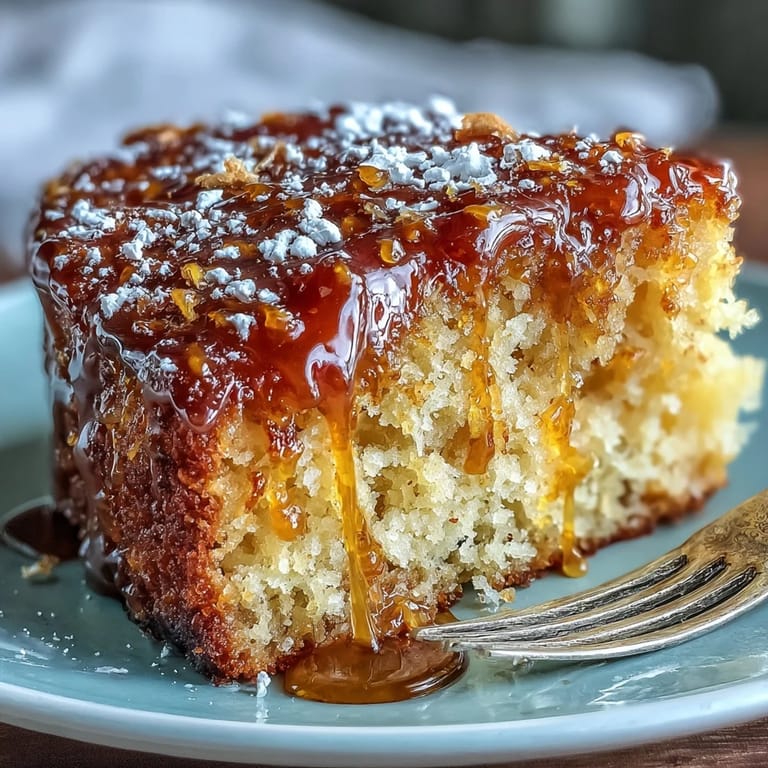
- Powdered sugar, for dusting (optional): A light sprinkle before serving is purely for show, but everyone loves that first snowy slice.
Tired of Takeout? 🥡
Get 10 meals you can make faster than delivery arrives. Seriously.
One email. No spam. Unsubscribe anytime.
Instructions
- Get ready to bake:
- Preheat your oven to 350°F (175°C) and line a 9-inch round cake pan with parchment—grease every nook so nothing sticks.
- Blend it up:
- Drop the quartered orange, eggs, oil, and vanilla into a blender; watch the vivid orange mixture morph as it goes creamy and smooth.
- Mix dry ingredients:
- Whisk sugar, flour, baking powder, and salt in a large bowl—the tiny crunch of sugar means it’s thoroughly mixed.
- Combine wet and dry:
- Pour the bright orange blend into your bowl and fold gently until streaks of flour just disappear; overmixing is your enemy here.
- Prepare to bake:
- Spoon the batter into your cake pan and smooth the surface for an even rise.
- Bake and watch:
- Slide the pan into the oven, and about 45 to 50 minutes later, the top should look golden and a skewer will come out almost clean.
- Cool and wait (just a bit):
- Let the cake rest in the pan for 10 minutes before turning onto a wire rack; patience here means neater slices later on.
- Top it off:
- When fully cooled, dust with powdered sugar if you like—don’t be shy, a little mess is all part of the charm.
 Save Pin
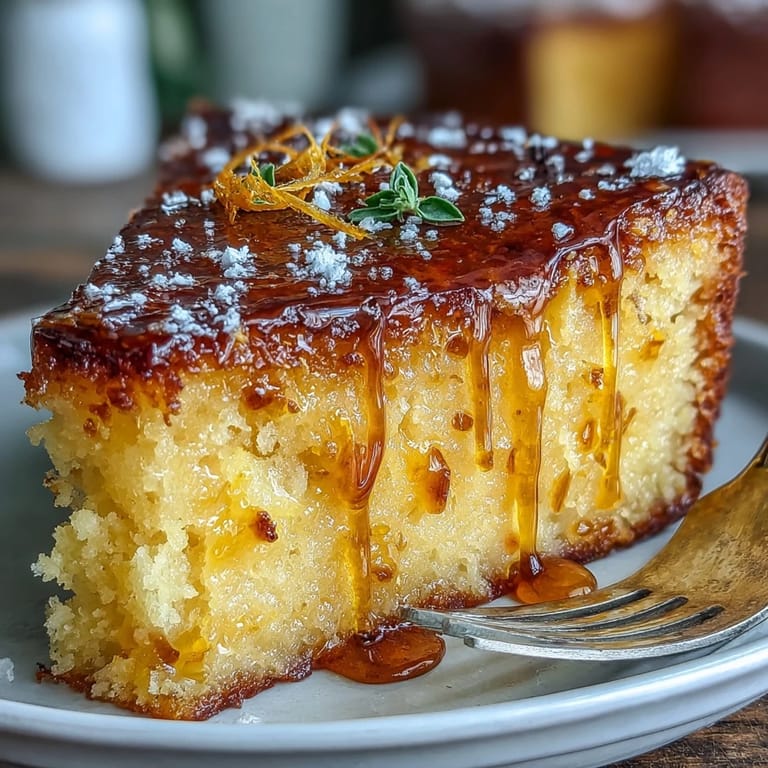
 The first time I brought a platter of this cake to our neighborhood potluck, I watched as people hesitated, then took a bite and grinned. It’s become a sort of conversation starter—a reminder that sometimes the simplest, most surprising tricks can bring the most pleasure.
Your Kitchen, Your Choice
I once swapped in a dash of orange liqueur and the resulting floral aroma made the whole cake taste like it belonged in a Mediterranean café. Don’t be afraid to experiment with spices like cardamom for warmth or to serve it with something creamy on the side. Sometimes I dress it up with candied orange peel if I have time to spare, but honestly, it’s just as winning plain. Trying new tweaks is half the fun with a cake this forgiving.
How to Make Baking Stress-Free
Having all your ingredients ready before you start—yes, even the oil measured and the parchment cut—makes the process nearly foolproof. I’ve learned that blending the orange while the oven preheats maximizes efficiency (and heightens anticipation as the fragrance intensifies). If you’re baking with kids, let them press the blender button; the whirring sound is half the excitement, and they’ll watch in awe as citrus turns to velvet. The simplicity of the method frees you to just enjoy baking, no need for fancy gear or perfect timing.
Serving Suggestions and Final Touches
The best moments are when a friend reaches for a second slice while insisting they don’t even like citrus desserts. This cake is lovely served with vanilla ice cream on a warm evening or with hot tea in winter, but it stands alone as a snack at any time of day. If you want to make things extra special, sprinkle some chopped pistachios or a drizzle of honey over the top just before serving.
- Avoid slicing while the cake is too warm or it will crumble.
- Store leftovers in an airtight container to keep it moist.
- Don’t skip the parchment paper if you want the base perfect for presentation.
 Save Pin
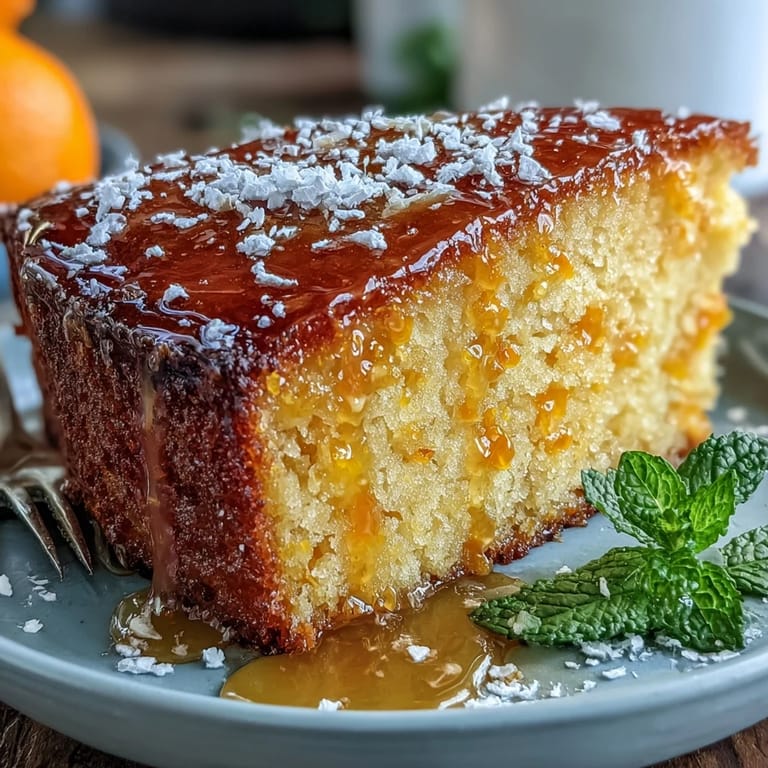
 I hope you enjoy making this cheerful orange cake as much as I do—the simple magic of blending, baking, and sharing is sure to brighten any day. Let me know what twist you try next time around!
Recipe FAQs
- → Why blend the whole orange with the peel?
Blending the whole orange keeps the bright oils and fragrant zest in the batter, delivering intense citrus flavor and moisture without separate zesting. Use a very fresh, washed and preferably organic orange to avoid pesticide residue.
- → Can I use a food processor instead of a blender?
A high-speed blender gives the smoothest purée, but a food processor can work if you process long enough and scrape down the sides to avoid large bits of peel. Aim for a silky texture before combining with dry ingredients.
- → How can I make this dairy-free or vegan-friendly?
The base is already dairy-free; to make it vegan, replace eggs with flax or chia egg substitutes (1 tbsp ground flaxseed + 3 tbsp water per egg) and ensure any toppings or add-ins are plant-based.
- → How do I know when the cake is done?
Bake 45–50 minutes at 350°F (175°C). A toothpick inserted in the center should come out clean or with a few moist crumbs. The top will be golden and the edges may pull slightly away from the pan.
- → Any flavor variations to try?
Stir in 1 tbsp orange liqueur or 1/2 tsp ground cardamom for warmth. Add a handful of chopped almonds or a light glaze of orange juice and powdered sugar for extra texture and shine.
- → How should I store leftovers?
Keep the cooled cake covered at room temperature for up to 2 days or refrigerate up to 5 days. Bring to room temperature before serving for the best texture, or warm slices briefly in the oven.