 Save Pin
 I discovered this version of mac and cheese on a Tuesday evening when my meal prep was looking pretty sparse and I had a container of cottage cheese that needed using. The moment I blended it smooth with some cheddar and milk, something clicked—it wasn't trying to be fancy, just genuinely creamy and packed with protein in a way that made me feel like I wasn't eating "diet food." That first forkful sold me completely, and it's been my go-to comfort dish ever since.
I made this for my partner's friend who'd just started counting macros, and watching their face light up when they tasted it was worth the whole experiment. They kept asking what was different, convinced I'd added cream or butter, and there was something satisfying about explaining that it was just blended cottage cheese doing all the work. That night solidified for me that food doesn't have to sacrifice anything meaningful just because it's nutritious.
Ingredients
- High-protein pasta (300 g): Chickpea or lentil pasta brings real substance here, not just carbs—the protein hits differently than regular wheat pasta, though whole wheat works beautifully too if that's what you have.
- Low-fat cottage cheese (300 g): This is the secret weapon; blended until smooth, it becomes the creamy base without needing heavy cream, and it keeps the protein count legitimately high.
- Low-fat milk (120 ml): Just enough to help the blender do its thing and loosen the sauce to the right consistency; dairy or unsweetened plant-based both work fine.
- Sharp cheddar cheese (100 g): Sharp means flavor, and you need actual flavor to compete with what the cottage cheese brings—don't skimp on the quality here.
- Parmesan cheese (40 g): Freshly grated tastes noticeably different from the pre-shredded stuff; it adds a salty, umami depth that ties everything together.
- Nutritional yeast (1 tbsp): Optional but genuinely transformative if you want that cheesy depth without more cheese, or if you're plant-based and need extra flavor.
- Cornstarch or arrowroot powder (1 tbsp): This keeps the sauce silky when heated instead of breaking or getting grainy; it's a small thing that makes a massive difference.
- Dijon mustard (1 tsp): A teaspoon sounds tiny, but it's there to wake up the cheese flavors and add complexity you can't quite identify—people always ask what the secret ingredient is.
- Garlic powder, onion powder (½ tsp each): Dried seasonings feel lazy until you realize they dissolve directly into the sauce without adding texture, giving you savory depth.
- Black pepper and salt (¼ tsp each): Taste as you go here; cottage cheese varies in saltiness, and you're the final judge of how much you need.
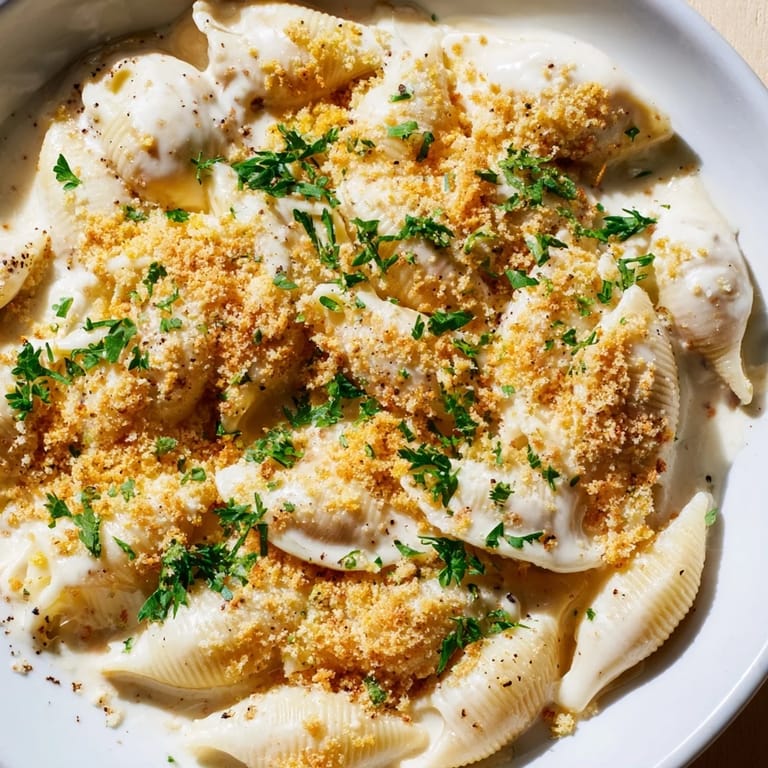
- Whole wheat breadcrumbs (20 g) and fresh parsley: The topping is optional, but broiling adds a textural contrast that turns comfort food into something a little special.
Tired of Takeout? 🥡
Get 10 meals you can make faster than delivery arrives. Seriously.
One email. No spam. Unsubscribe anytime.
Instructions
- Cook your pasta to just before perfect:
- Get a large pot of well-salted water boiling—salt it like you're seasoning pasta water, not seawater. Stir your high-protein pasta in so nothing sticks, and cook according to package directions, aiming for al dente; you want it to have a tiny bit of resistance when you bite it because it'll finish cooking gently in the sauce. Reserve at least half a cup of the starchy cooking water before you drain everything.
- Make the smooth sauce base:
- While pasta is cooking, gather the cottage cheese, milk, both cheeses, nutritional yeast if you're using it, cornstarch, mustard, and all the seasonings into your blender or food processor. Blend on medium speed until it's completely smooth and creamy, about 30 seconds to a minute—if you see any graininess, keep going.
- Heat the sauce gently:
- Pour everything into a large saucepan and set the heat to medium-low; this is where patience matters because high heat can break the sauce or make it grainy. Whisk constantly as it warms, watching for the moment when it thickens and just begins to bubble around the edges, which should take about three to five minutes. If it gets thicker than you want, splash in some of that reserved pasta water a tablespoon at a time until it flows the way you like.
- Bring it all together:
- Add your drained pasta to the warm sauce and toss everything until every piece is coated and heated through, which takes just a minute or two. This is your moment to taste and adjust—more salt, more pepper, a touch more mustard if you want it.
- Optional broil for texture:
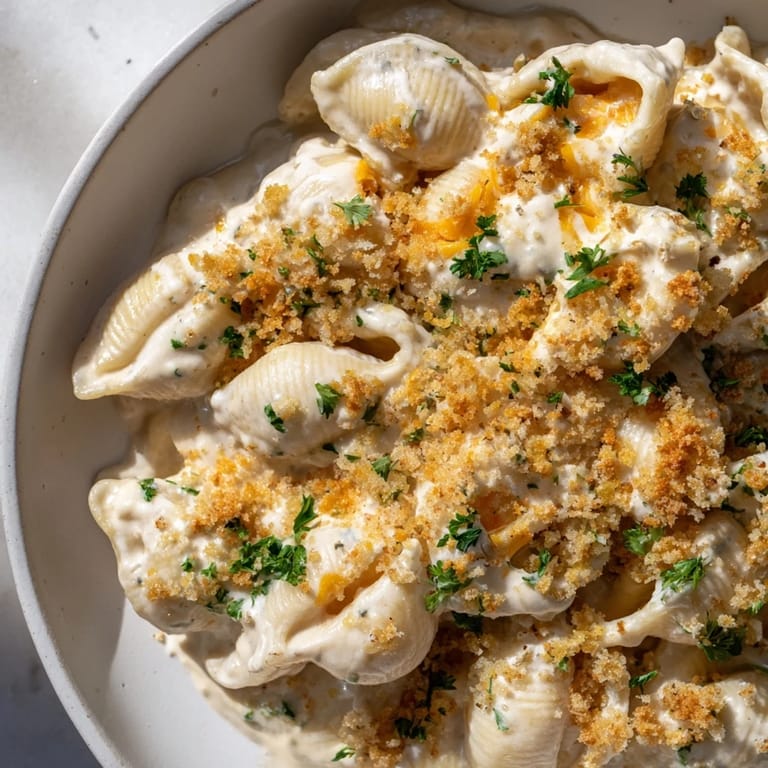
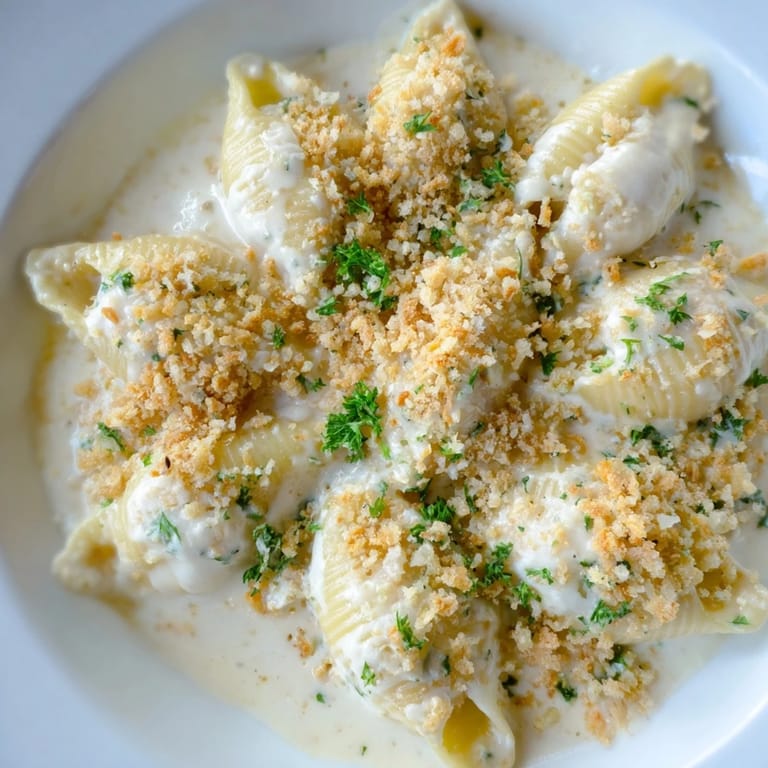
- If you want that golden, crunchy top, transfer the mac and cheese to a baking dish, sprinkle the breadcrumbs across the surface, and slide it under the broiler for two to three minutes, watching so it goes golden and not burnt. The contrast between creamy and crunchy is worth the extra minute of attention.
- Plate and garnish:
- Serve it right away, scattered with fresh parsley if you have it; the parsley looks nice and adds a fresh brightness against all that richness.
 Save Pin
 There was this night when I made this for myself after a particularly exhausting day, and something about sitting down with a warm bowl of it—knowing it was genuinely nourishing and not some compromise meal—felt like the opposite of deprivation. Mac and cheese stopped being a guilty pleasure and became something honest.
The Cottage Cheese Secret
Most people have a weird relationship with cottage cheese; it gets treated like a diet food that's supposed to taste like nothing. But blended until smooth, it becomes this luxurious base that's naturally creamy without requiring cream, and it carries a subtle tang that actually makes the cheese flavors sing brighter. I spent years making mac and cheese with béchamel or heavy cream before realizing that blended cottage cheese does something better—it delivers creaminess without weight, and the protein content stops being something you're forcing into the dish and becomes just part of what it is.
Making It Your Own
The base recipe is solid, but this is also one of those dishes that absolutely welcomes improvisation. I've mixed in roasted red peppers, crumbled bacon, steamed broccoli, and even crispy sage without anything falling apart. My favorite version includes a handful of chopped cooked chicken breast stirred in at the end, which bumps the protein even higher and makes it feel like a more substantial meal. If you're plant-based, the nutritional yeast becomes more essential, and swapping the cheese for a sharp plant-based option works surprisingly well.
Flavor Variations Worth Trying
Sharp cheddar is the reliable choice, but this sauce can handle other cheeses beautifully. Gruyère adds an earthiness that feels a bit more sophisticated, while Monterey Jack stays mild and creamy. A pinch of cayenne pepper transforms it into something with subtle heat, and I've had friends request it that way specifically. Trust your instincts with seasonings here; the blended base is forgiving enough to accommodate bold adjustments.
- Add a tiny pinch of cayenne or smoked paprika if you want warmth without the pasta knowing what hit it.
- Grate cheese fresh rather than using pre-shredded if you can manage it; the difference in how smoothly it blends and melts is genuinely noticeable.
- If you're making this ahead, store it in an airtight container and reheat gently with a splash of milk or pasta water to restore the creaminess.
 Save Pin
 This recipe quietly became what I make when I need something that feels indulgent but doesn't require negotiating with myself about nutrition. It's comfort food that doesn't make you feel like you're settling.
Recipe FAQs
- → What makes this mac & cheese high in protein?
Using high-protein pasta like chickpea or lentil varieties combined with a creamy cottage cheese sauce boosts the protein content significantly.
- → Can I use non-dairy milk in the cheese sauce?
Yes, unsweetened plant-based milk works well to maintain creaminess without altering flavor drastically.
- → How can I make the sauce smoother if it’s too thick?
Adding reserved pasta cooking water a little at a time helps thin the sauce while keeping it creamy and cohesive.
- → Is it possible to add a crunchy topping?
Sprinkling whole wheat breadcrumbs over the dish and broiling briefly creates a golden, crunchy finish.
- → What are some good ingredient swaps for variety?
Try replacing cheddar with Gruyère or Monterey Jack, or add cayenne pepper for subtle heat and different flavors.