 Save Pin
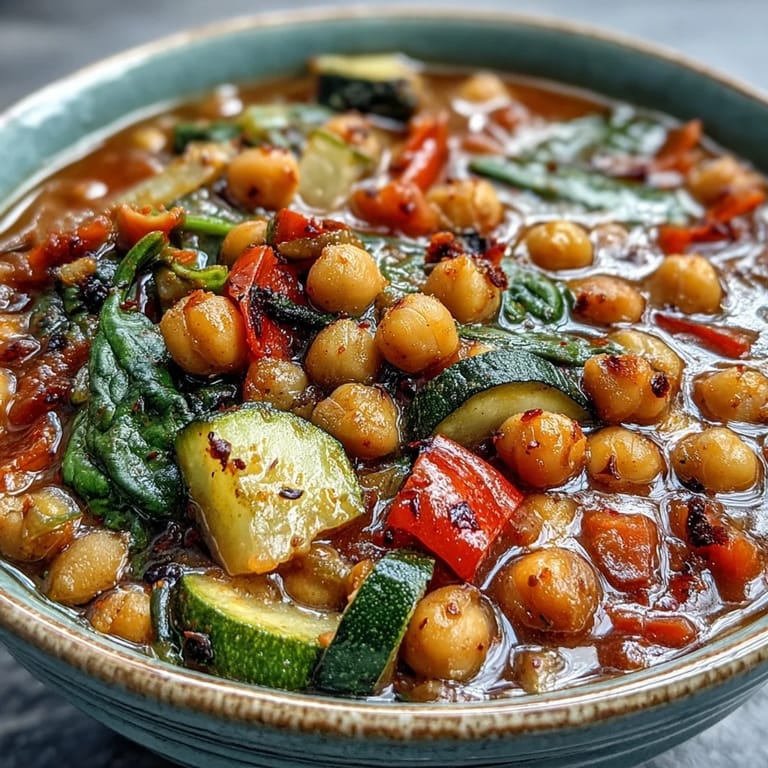
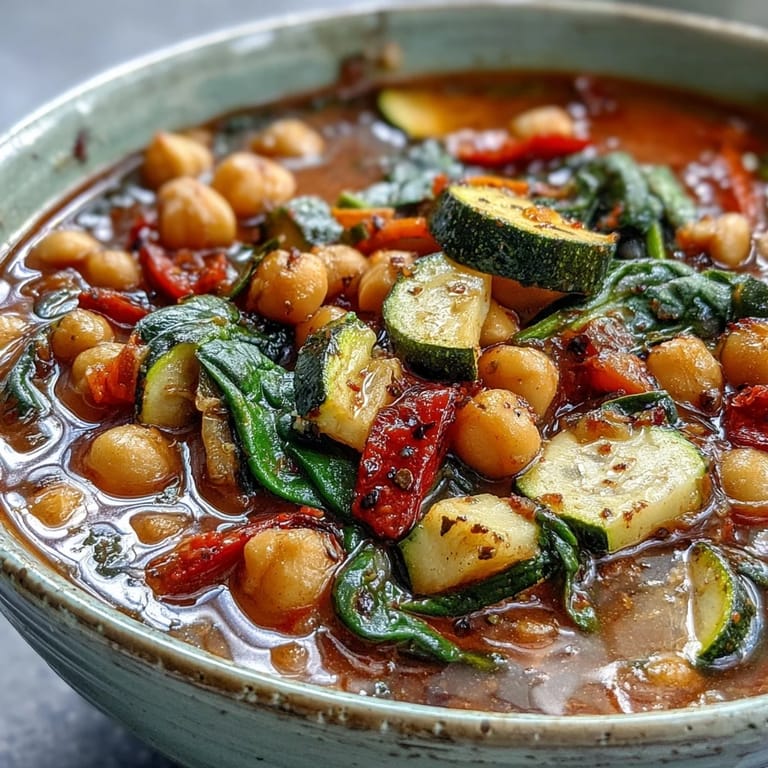
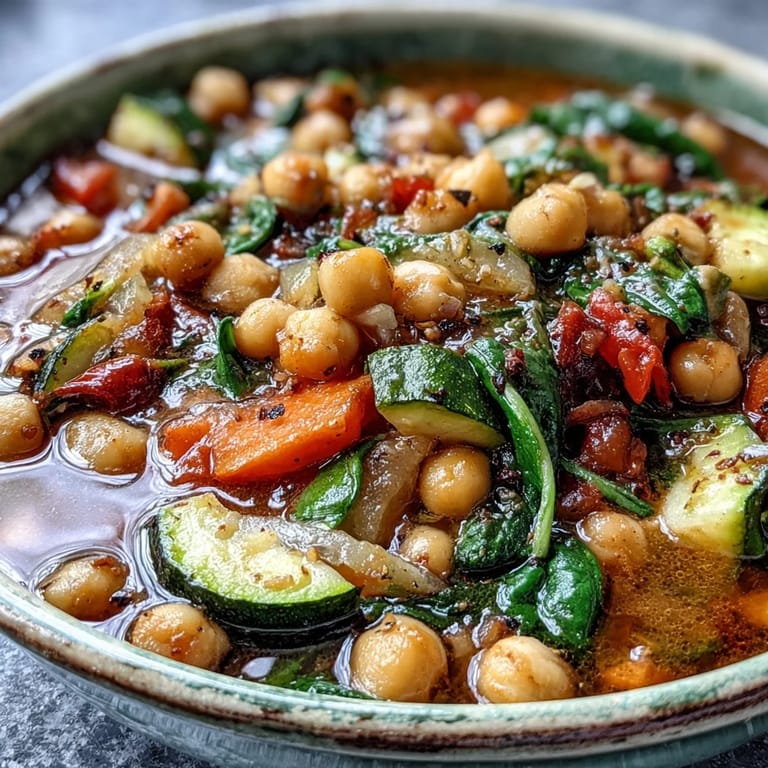
 The aromatherapy of this chickpea stew fills my kitchen every winter Sunday without fail. Last January during that week-long power outage, I simmered it on our camping stove while wrapped in three sweaters, and somehow that bowl warmed us more than any blanket. The colors alone - deep oranges and greens against the earthy chickpeas - seem to promise that everything will be alright.
I first made this stew for my friend Eliza when she was recovering from surgery and needed gentle, healing foods. She texted me three days later saying shed eaten nothing else since, and could I please bring more. Now its our tradition that whenever either of us is feeling under the weather, this stew appears on the doorstep without even needing to ask.
Ingredients
- Chickpeas: I prefer cooking dried chickpeas when I have time because they maintain a firmer texture, but honestly, canned ones work beautifully when youre pressed for time.
- Smoked paprika: This is the secret weapon that gives the stew its distinctive warmth and depth, almost mimicking a slow-cooked meat stew without any animal products.
- Vegetable broth: Homemade broth elevates this to something special, but I keep quality low-sodium store-bought on hand for spontaneous cooking.
- Fresh spinach: Its delicate nature means it practically melts into the stew, distributing iron and nutrients throughout while adding a gorgeous green hue.
- Lemon wedges: Never skip this garnish - the bright acid cuts through the richness and makes all the spices sing in harmony.
Tired of Takeout? 🥡
Get 10 meals you can make faster than delivery arrives. Seriously.
One email. No spam. Unsubscribe anytime.
Instructions
- Build your flavor base:
- Heat that olive oil until it shimmers slightly, then add your diced onion and watch it turn translucent and sweet. This first step sets the foundation for everything that follows.
- Layer in your vegetables:
- When you add the garlic, carrots, celery and bell pepper, listen for that satisfying sizzle that tells you theyre cooking at just the right temperature. The kitchen should start filling with an aroma thats both earthy and bright.
- Bloom your spices:
- This is where magic happens - add the spices to the hot oil and vegetables and stir constantly for that full minute. Youll know its right when the fragrance suddenly intensifies and fills the whole room.
- Simmer and build:
- Once your liquid ingredients join the party, maintain a gentle bubble rather than a rolling boil. You want everything to meld together without breaking down the vegetables too quickly.
- Time the delicate additions:
- Zucchini goes soft quickly, so it needs less time than hardier vegetables. The spinach needs just enough heat to wilt without losing its vibrant color.
- Final touches:
- That moment when you taste and adjust the seasoning is your chance to make this stew truly yours. Be bold with the salt - plant-based foods often need a bit more than you might expect to bring out their full flavor.
 Save Pin
  Save Pin
 During the height of the pandemic when grocery trips were rare treasures, this stew became our Tuesday night constant - the meal we could count on when everything else felt uncertain. My teenage son, who typically regards vegetables with deep suspicion, started setting the table without being asked on chickpea stew nights. Sometimes the most meaningful family traditions are born from necessity rather than planning.
Storing and Freezing
This stew actually improves with time, developing deeper flavors after a day in the refrigerator. I often make a double batch specifically to freeze in individual portions - they thaw beautifully for emergency comfort food when life gets hectic. Just cool completely before transferring to airtight containers, where it will keep happily for up to three months.
Serving Suggestions
While perfectly satisfying on its own, this stew welcomes accompaniments that complement its Mediterranean roots. A dollop of tangy Greek yogurt creates a creamy contrast if youre not strictly vegan. For texture, I love toasted pine nuts scattered on top, lending a buttery crunch that feels indulgent against the tender vegetables.
Making It Your Own
The beauty of this recipe lies in its adaptability to what you have on hand. Winter brings the addition of sweet potatoes or butternut squash in my kitchen, while summer might see fresh corn kernels or green beans making an appearance.
- For a protein boost, stir in cooked quinoa during the last five minutes of cooking.
- Harissa paste (start with just a teaspoon) transforms this into a North African-inspired dish with pleasant heat.
- Fresh herbs like cilantro, mint, or dill can be swapped for parsley depending on what flavor profile youre craving.
 Save Pin
  Save Pin
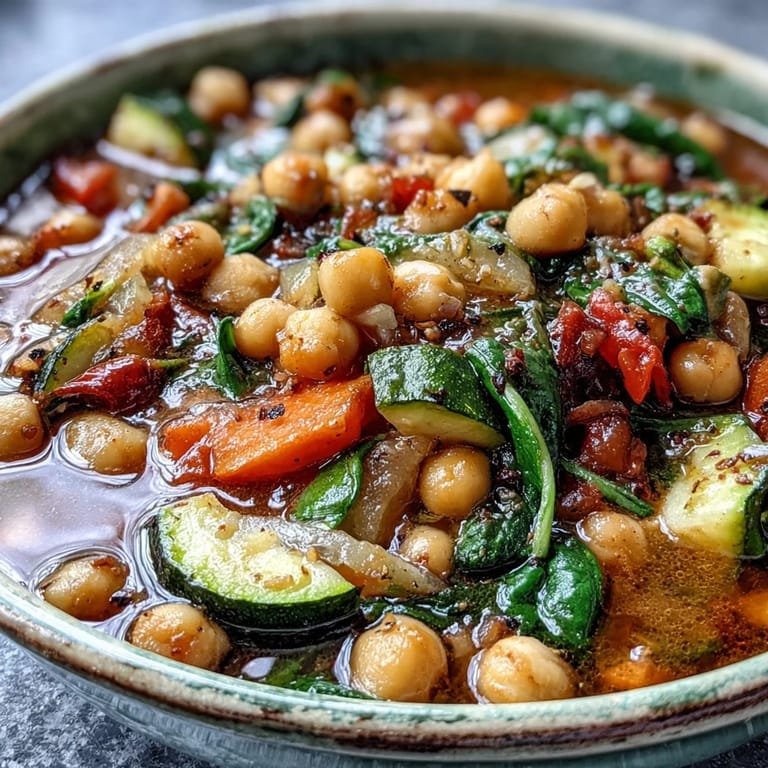
 This chickpea stew has taught me that nourishment isnt just about ingredients, but about intention. Each time you ladle it into bowls, youre offering more than food - youre serving comfort, health, and connection.
Recipe FAQs
- → How long does this chickpea stew keep in the refrigerator?
The stew stores well in an airtight container for up to 4-5 days. The flavors actually develop and deepen after a day or two, making it excellent for meal prep.
- → Can I use dried chickpeas instead of canned?
Absolutely. Soak 1 cup dried chickpeas overnight, then cook for 60-90 minutes until tender before adding to the stew. You'll need about 3 cups cooked chickpeas total.
- → What vegetables work well as substitutions?
You can swap spinach for kale or chard, replace zucchini with butternut squash, or add eggplant. The stew is quite flexible for seasonal vegetables.
- → How can I make this stew more protein-rich?
Add a cup of lentils during simmering, stir in white beans with the chickpeas, or serve with quinoa instead of bread for additional plant-based protein.
- → Is this stew freezer-friendly?
Yes, it freezes beautifully for up to 3 months. Cool completely before transferring to freezer-safe containers. Thaw overnight in the refrigerator before reheating.
- → What's the best way to reheat leftovers?
Gently reheat on the stovetop over medium-low heat, adding a splash of water or broth if needed. The microwave works too in 2-3 minute intervals, stirring between each.