 Save Pin
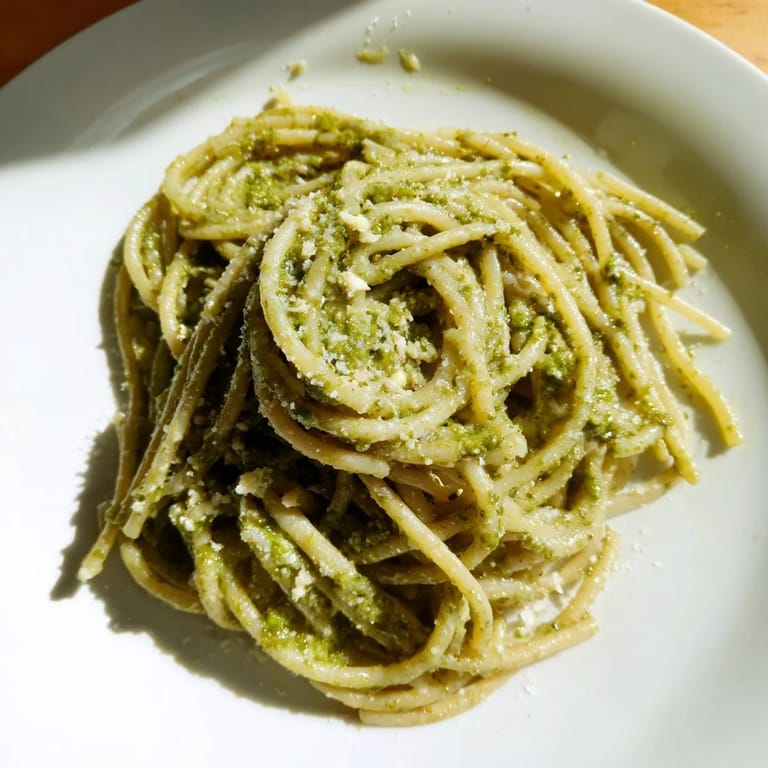
 The first time I made this pesto, I was completely out of pine nuts and refused to make another grocery run. That kitchen accident turned into one of my favorite budget friendly discoveries. Sunflower seeds bring this gentle, buttery sweetness that pine nuts just dont have, and the texture becomes impossibly creamy when you toast them first. Now I actually prefer it to the traditional version, and my wallet definitely agrees.
Last winter, my sister came over exhausted from work and I threw this together without even checking if I had all the ingredients. She took one bite, put her fork down, and asked me to write down the recipe immediately. That dinner turned into our monthly tradition, where wed experiment with different pasta shapes and sometimes add whatever vegetables were wilting in the fridge.
Ingredients
- Unsalted sunflower seeds: Toasting these transforms them from plain to incredibly fragrant with a subtle sweetness
- Fresh basil leaves: The absolute star of the show, so dont be shy about packing those cups tight
- Garlic cloves: Use fresh, not jarred, the difference in flavor is worth the extra minute
- Grated Parmesan cheese: Adds that savory depth and helps the sauce cling to every strand of pasta
- Extra virgin olive oil: This carries all the flavors and creates that luscious consistency
- Water: The secret ingredient that makes the pesto blendable without overwhelming it with oil
- Lemon juice: Brightens everything and keeps the basil from tasting too grassy
- Salt and black pepper: Essential for bringing all the flavors forward
- Dried pasta: Choose something with ridges or curves that will catch the sauce beautifully
- Heavy cream or plant based cream: This creates that restaurant worthy velvety finish
Tired of Takeout? 🥡
Get 10 meals you can make faster than delivery arrives. Seriously.
One email. No spam. Unsubscribe anytime.
Instructions
- Get your pasta water going:
- Bring a large pot of generously salted water to a boil. You want it tasting like the ocean, this is your only chance to season the pasta itself.
- Toast the sunflower seeds:
- In a dry skillet over medium heat, stir the sunflower seeds for 3 to 4 minutes until they turn golden brown and smell nutty and amazing. Keep them moving so they dont burn.
- Blend up the pesto magic:
- In your food processor, combine those toasted seeds with basil, garlic, Parmesan, olive oil, lemon juice, salt, and pepper. Pulse until you get a coarse paste, stopping to scrape down the sides.
- Add water for creaminess:
- Pour in the water and keep blending until everything transforms into a smooth, vibrant green sauce. Add more water, a tablespoon at a time, if its too thick for your liking.
- Bring it all together:
- Cook your pasta until al dente, but before you drain, scoop out that precious half cup of pasta water. Return the pasta to the warm pot, pour in the pesto and cream, and toss everything gently.
- Perfect the consistency:
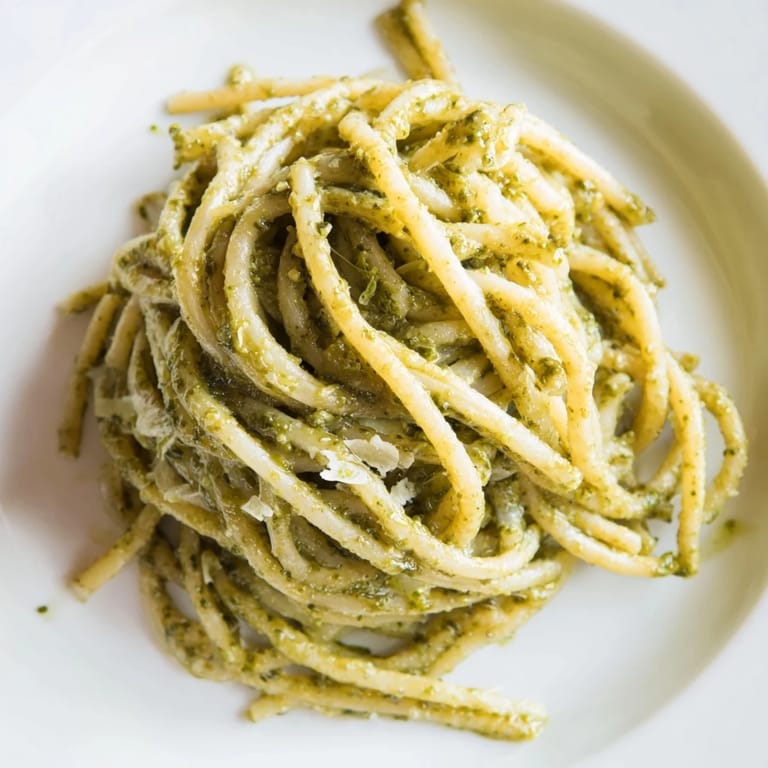
- Add the reserved pasta water a little at a time, tossing constantly, until the sauce coats every piece of pasta in a glossy, velvety layer. Taste and add more salt, pepper, or lemon juice if needed.
 Save Pin
 This pasta has become my go to for impromptu dinner parties because people always assume its some expensive restaurant recipe. I love watching their faces when I tell them the secret ingredient is sunflower seeds from the bulk bin.
Making It Your Own
Sometimes Ill throw in a handful of baby spinach or frozen peas during the last minute of pasta cooking. The vegetables become part of the sauce and suddenly its a complete meal without any extra effort. Roasted cherry tomatoes on top add this gorgeous sweetness that cuts through the creaminess.
The Vegan Switch
My vegan friend taught me that nutritional yeast works surprisingly well here, giving that same cheesy bite as Parmesan. Coconut cream from a can makes the sauce incredibly rich, though cashew cream is lighter and lets the basil shine through more. Either way, nobody misses the dairy.
Leftover Love
This pasta actually tastes even better the next day when the flavors have had time to mingle. I pack leftovers for lunch and eat them cold, straight from the container, standing in the kitchen. The sauce thickens up overnight, so just splash in a little water or olive oil when reheating to bring it back to life.
- Double the pesto and freeze half in ice cube trays for future quick meals
- Toss in some shredded rotisserie chicken for extra protein without extra work
- Save a few whole basil leaves for garnish to make it look fancy
 Save Pin
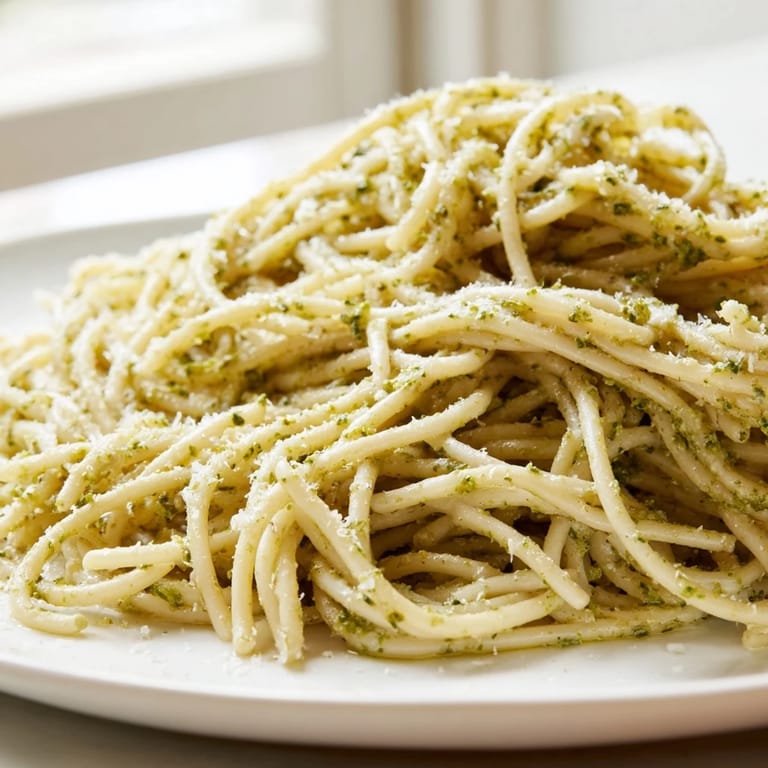
 Theres something deeply satisfying about turning humble ingredients into something that feels like a celebration. This pasta proves that some of the best discoveries happen when you work with what you have.
Recipe FAQs
- → Can I make the pesto ahead of time?
Yes, prepare the pesto up to 2 days in advance and store it in an airtight container in the refrigerator. Add the cream and toss with pasta just before serving for the best texture and flavor.
- → What pasta shapes work best with this pesto?
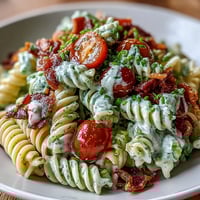
Spaghetti, penne, and fusilli all work beautifully. Choose your favorite shape based on texture preference—longer strands hold the pesto well, while tube and spiral shapes trap the sauce nicely.
- → How do I adjust the pesto consistency?
Add water gradually while blending until you reach your desired thickness. Start with ¼ cup and add more as needed. Reserved pasta water also helps achieve a silky coating on the finished dish.
- → Is this dish suitable for vegan diets?
Absolutely. Replace Parmesan with nutritional yeast and use plant-based cream instead of dairy. The result is equally creamy and flavorful while remaining completely vegan.
- → What vegetables pair well with this dish?
Fresh peas, wilted spinach, roasted cherry tomatoes, and sautéed mushrooms all complement the pesto beautifully. Add them during the final tossing step or use as a fresh garnish.
- → Can I use a blender instead of a food processor?
Yes, a blender works perfectly and may require slightly less water to achieve a smooth consistency. Blend in short pulses and scrape down sides frequently for best results.