 Save Pin
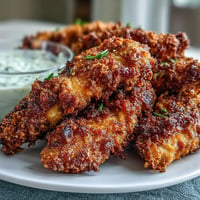
 There's something magical about that first bite of fried chicken that's been waiting for you straight from the pan. My sister called me in a panic one Saturday afternoon, desperate for something that would impress her new boyfriend's family at dinner, and I found myself whispering through the phone about buttermilk and flour ratios while she frantically took notes. What started as damage control became this recipe, one that's been requested at every gathering since.
I still remember my neighbor peeking over the fence when the smell hit her garden, and she literally asked if she could just wait by my door. There's no recipe that breaks down walls quite like fried chicken, and watching people close their eyes on that first bite is better than any compliment.
Ingredients
- Chicken tenders or breasts: Cut into strips if using breasts, they'll cook faster and stay tender when they're about the same thickness throughout.
- Buttermilk: The acidity is what makes the chicken juicy and breaks down the proteins, don't skip this or substitute with regular milk.
- Salt: Use this in both the marinade and coating because seasoning at different stages means flavor gets all the way through.
- Black pepper: Freshly cracked if you can, it makes a noticeable difference in the final taste.
- Garlic powder and onion powder: These add savory depth that somehow makes people ask for the secret ingredient.
- Paprika: It gives color and a subtle sweetness, don't overlook it even though you might think it's just for looks.
- Cayenne pepper: Start without it if you're unsure, you can always make the next batch spicier.
- All-purpose flour: The baking powder in the coating is the secret to that extra-crispy finish, trust me on this.
- Vegetable oil: Keep it at exactly 350°F or the outside burns before the inside cooks through.
Tired of Takeout? 🥡
Get 10 meals you can make faster than delivery arrives. Seriously.
One email. No spam. Unsubscribe anytime.
Instructions
- Mix your buttermilk bath:
- Whisk together the buttermilk with salt, pepper, garlic powder, onion powder, paprika, and cayenne if you're going for heat. The marinade should smell tangy and inviting, like something you want to dunk chicken into, which is exactly what you're about to do.
- Coat and refrigerate:
- Submerge each tender in the marinade, turning to coat completely, then cover and refrigerate for at least two hours. Overnight is even better because the acid keeps working on the meat, making it more tender than you'd think possible.
- Prepare your flour station:
- Mix flour with salt, pepper, paprika, garlic powder, onion powder, and baking powder in a shallow dish. This is your coating, so don't be shy with the seasoning because some will fall off in the oil.
- Coat each tender:
- Pull tenders from the cold marinade and let excess buttermilk drip back into the bowl, then press each piece firmly into the flour mixture so the coating really adheres. I usually press down, turn it over, and press again so it's completely covered.
- Heat your oil carefully:
- Pour oil into a deep skillet or Dutch oven to about two inches deep and heat to exactly 350°F with a thermometer. Too low and they'll be greasy, too high and you'll have burnt outsides with raw insides, so this matters.
- Fry in batches:
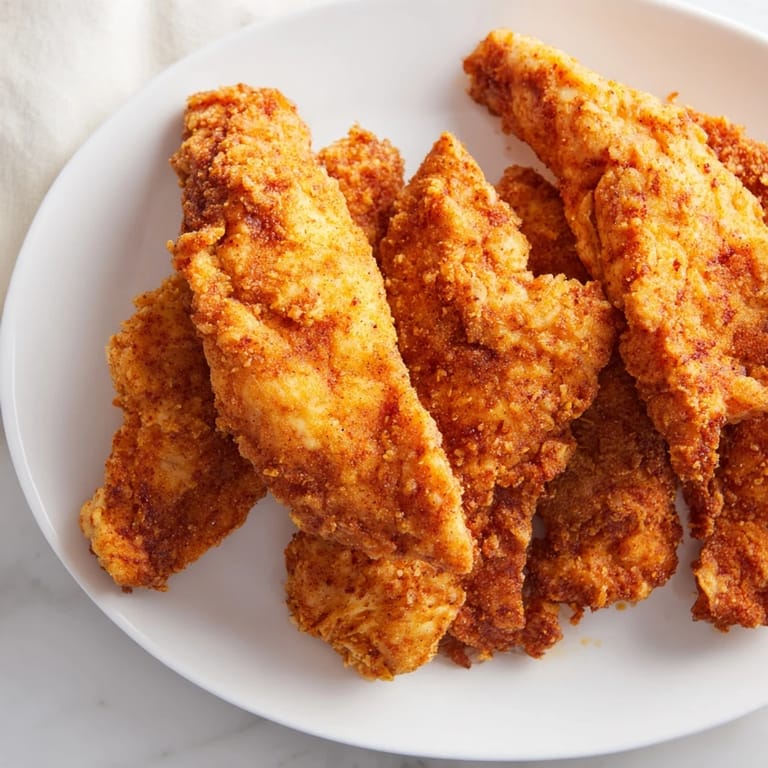
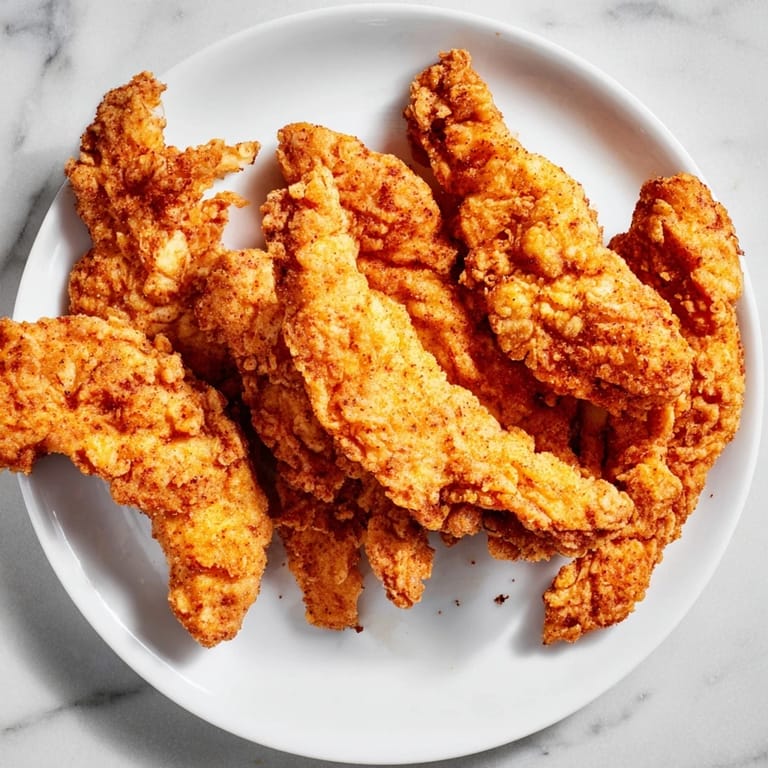
- Working in groups of four or five so you don't overcrowd the pan, gently lower coated tenders into the hot oil and fry for about three to four minutes per side until golden brown and the internal temperature reaches 165°F. Listen for that satisfying sizzle when they hit the oil, it's a good sign.
- Drain and serve:
- Lift cooked tenders onto a wire rack or paper towels and let them rest for a minute before serving, which keeps the bottom from getting soggy. Serve hot with whatever sauce makes you happiest.
 Save Pin
 My dad ate six pieces in a row once without saying a word, then just looked at me and nodded. That quiet approval meant more than any amount of praise, and I realized some food is less about impressing people and more about feeding the ones who matter.
The Double-Dip Secret
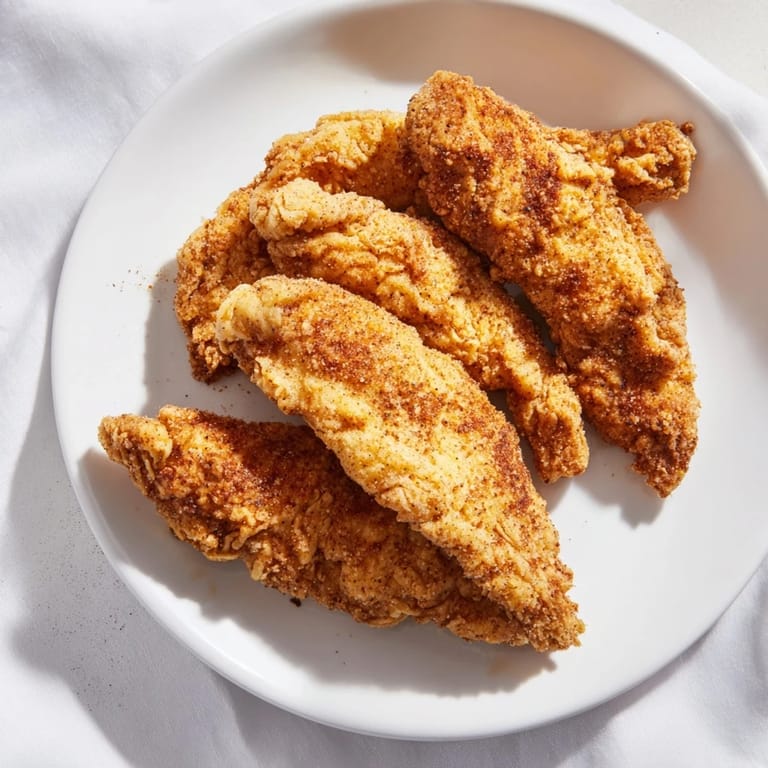
If you really want to get fancy and achieve that crackly, shattering crust that stays crispy even after the tenders cool down, do this: coat once in flour, then dip that floured tender back into the buttermilk for just a second, then coat in flour again. It sounds weird but the second flour layer bonds to the buttermilk and creates layers of texture that single-coated chicken can't compete with.
Timing and Temperature Matter
Everything about this recipe hinges on temperature staying constant, so if you're frying multiple batches, let the oil recover between them. A meat thermometer is genuinely your friend here because visual cues can be deceiving, and nobody wants to bite into chicken that looks golden but isn't actually cooked through yet.
Sauces and Serving Ideas
Fried chicken is a blank canvas for dipping sauces, so have fun with this part. Mix honey into spicy mustard for a sweet heat, or make a ranch from scratch if you're feeling ambitious, or just reach for whatever's in your fridge because good fried chicken makes everything taste better.
- Serve alongside coleslaw or a simple green salad to cut through the richness.
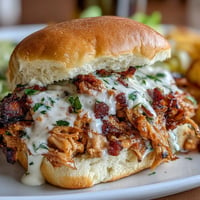
- Cold leftover fried chicken is actually amazing in sandwiches the next day if you have any that lasts that long.
- Let the tenders rest for a few minutes before eating so the juices redistribute instead of running out on your plate.
 Save Pin
 This recipe has saved me more than once, whether it was unexpected guests or just a Tuesday when I needed to feel like I'd accomplished something. Make it for people you love.
Recipe FAQs
- → How long should chicken marinate in buttermilk?
Marinating in buttermilk for at least 2 hours helps tenderize and infuse the chicken, enhancing juiciness and flavor.
- → What is the best oil temperature for frying?
Maintain oil at 350°F (175°C) to ensure even cooking and a crispy crust without greasiness.
- → Can I double dip for extra crunch?
Yes, dip chicken back into buttermilk after the first flour coating, then coat again for a thicker, crunchier crust.
- → What spices add the most flavor to the coating?
Paprika, garlic powder, onion powder, and a touch of cayenne pepper combine to provide a balanced, flavorful crust.
- → How do I know when chicken is fully cooked?
The chicken reaches safe doneness at an internal temperature of 165°F (74°C), ensuring it is juicy and cooked through.
- → What are good dipping options?
Honey mustard, ranch, or spicy sauces complement the crispy buttermilk fried chicken perfectly.