 Save Pin
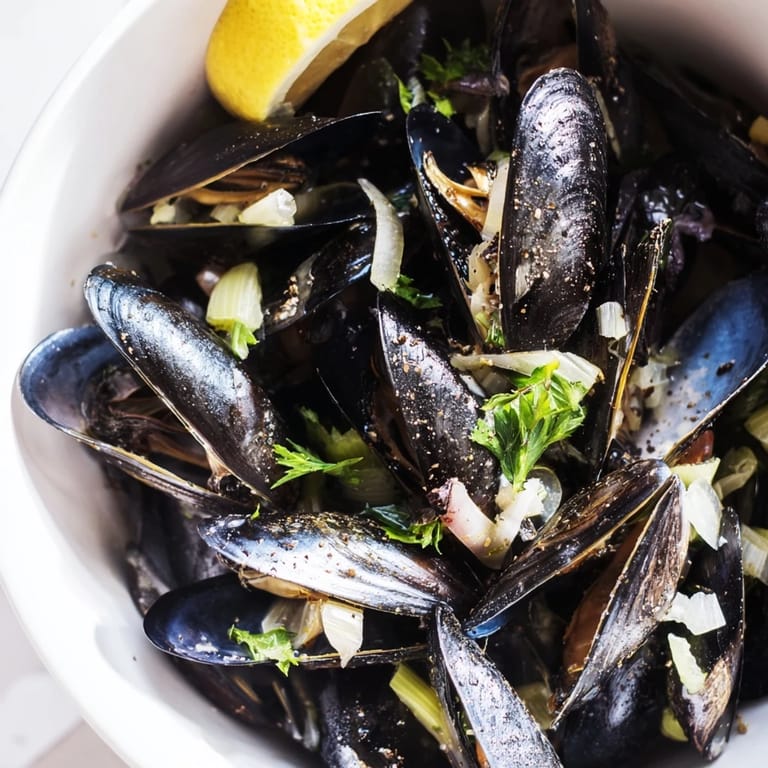
 The first time I watched my Belgian neighbor slide a steaming pot of moules marinière onto the table, I understood why this dish is so revered in Flanders. The simplicity is almost deceptive—just mussels, white wine, a handful of aromatics—yet the kitchen fills with this irresistible briny perfume that makes everyone lean in closer. I've made it dozens of times now, and it never fails to feel like a small celebration, even on an ordinary Tuesday night.
I remember cooking this for friends who were skeptical about shellfish, watching their faces change the moment they tasted that golden broth infused with garlic and thyme. One guest asked for the recipe immediately, then admitted she'd been intimidated by mussels her whole life. Now she makes it monthly, and texts me photos of her dinner parties.
Ingredients
- Fresh live mussels (2 kg / 4.4 lbs): Look for ones that feel heavy and close tightly when tapped—if they stay gaping, they're likely dead and should be discarded. Buy them the day you plan to cook, and keep them cold in the fridge on a bed of ice if possible.
- Shallots (2 medium, finely chopped): These are the quiet backbone of the broth, lending a gentle sweetness that raw garlic alone cannot achieve. If shallots feel too precious, a small yellow onion works in a pinch.
- Garlic (2 cloves, minced): Don't be shy—the wine mellows any harshness, and you need enough to perfume the entire pot.
- Leek, white part only (1 small, finely sliced): This adds a subtle, almost hidden sweetness that balances the brininess; it's worth seeking out rather than skipping.
- Celery (2 stalks, finely chopped): A classic aromatics base, it anchors the vegetables and builds depth without demanding attention.
- Flat-leaf parsley (1 small bunch, chopped): Add this only at the very end so it stays fresh and vibrant, not wilted and dull.
- Fresh thyme (2 sprigs) and bay leaf (1): These two herbs are non-negotiable; they're what transform hot wine and vegetables into something that tastes intentional and European.
- Dry white wine (300 ml / 1.25 cups): Use something you'd actually drink—no need for expensive wine, but avoid anything labeled cooking wine.
- Olive oil (2 tbsp): A good olive oil won't overpower the delicate mussels, but it carries the aromatics' flavors forward.
- Black pepper and sea salt: Mussels are naturally salty, so taste before seasoning; often just a grind of pepper is all you need.
- Lemon wedges: Squeeze these at the table; they brighten the broth at the last moment and wake up every spoonful.
Tired of Takeout? 🥡
Get 10 meals you can make faster than delivery arrives. Seriously.
One email. No spam. Unsubscribe anytime.
Instructions
- Clean and inspect your mussels:
- Rinse them under cold running water, scrubbing each one gently with your fingers or a small brush to remove any sand or debris. Discard any that feel light as air, have broken shells, or refuse to close when you tap them—these are dead and unsafe to eat.
- Build the aromatic base:
- Heat olive oil in a large pot over medium heat until it shimmers slightly. Add your shallots, garlic, leek, and celery, stirring often, until everything softens and the kitchen smells like a French kitchen—about 3 to 4 minutes.
- Infuse with herbs:
- Stir in the thyme sprigs and bay leaf, letting them warm and release their oils into the vegetables. Pour in the white wine and let it come to a gentle simmer; you'll see small bubbles breaking the surface, not a rolling boil.
- Add the mussels:
- Tip all the cleaned mussels into the pot, stir them gently so they're in contact with the broth, then cover with a tight-fitting lid. Turn the heat to high and set a timer for 5 to 7 minutes.
- Steam until they open:
- After a few minutes, give the pot a gentle shake to redistribute the mussels. You'll hear them shifting and clicking—this means the heat is reaching every one. When you peek under the lid, you should see most shells yawning open, revealing tender meat inside.
- Finish and serve:
- Once the mussels have opened, remove the pot from heat and stir in the fresh parsley. Taste the broth and adjust seasoning with a grind of black pepper; salt rarely needs adding because mussels release their own. Discard any mussels that stubbornly refused to open, as these are not safe to eat.
- Plate and enjoy:
- Divide the mussels and their broth among deep bowls, making sure everyone gets a fair share of those tender aromatics at the bottom. Set lemon wedges and crusty bread on the table so guests can squeeze and soak as they like.
 Save Pin
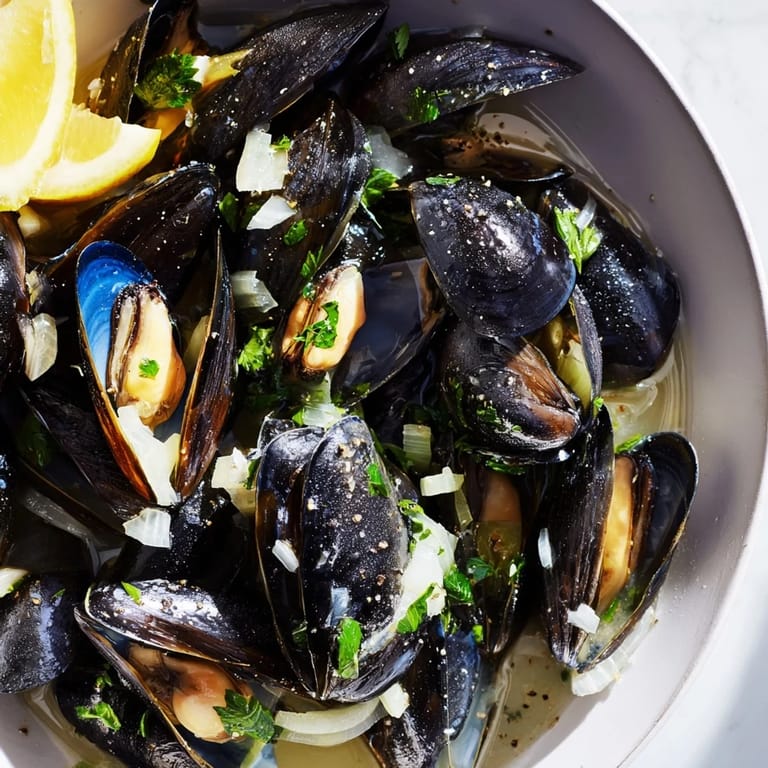
 The best version of this dish I've ever made was completely accidental—I forgot to add the wine and instead poured in a splash of vermouth and some clam broth I had on hand. The result was unexpectedly floral and mineral, nothing like traditional moules marinière, but my dinner guests asked for it again the next week. That taught me that this dish has room for your own voice, as long as you respect the foundational promise: mussels, aromatics, steam, and time.
The Soul of the Broth
What makes this dish unforgettable is not the mussels themselves—though they're magnificent—but the liquid they leave behind. Every vegetable, every herb, every bubble of wine condenses into a broth so savory and clean it feels almost impossible that it took only 25 minutes to create. I learned early on that the broth is where the magic lives, and that's why you must never, ever rush the initial sauté of the aromatics or skip covering the pot properly during steaming.
Serving Suggestions and Pairings
In Belgium, moules marinière is never served alone; it's always part of a ritual that includes crusty bread, Belgian fries with mayonnaise, and cold beer or crisp white wine. The bread is essential because it lets you capture every drop of broth, which is honestly the best part of the meal. Some people add a knob of butter to the finished broth for richness, though the olive oil version I've given you is lighter and lets the mussels' natural brininess shine.
Storage and Make-Ahead Tips
Moules marinière is best eaten the moment it's ready, steaming and fragrant, but life isn't always that neat. If you have leftover broth, it freezes beautifully and becomes the foundation for a quick seafood soup or a silky sauce for white fish. The mussels themselves don't keep well cooked, so plan to make this when you know everyone will be hungry and ready to gather around the table.
- Make the aromatic base up to 4 hours ahead, cover it, and refrigerate; just reheat gently before adding mussels.
- Buy and clean your mussels no more than a few hours before cooking, keeping them chilled and covered with a damp cloth.
- Leftover broth can be frozen in ice cube trays and used within 2 months for quick flavor boosts to soups or risottos.
 Save Pin
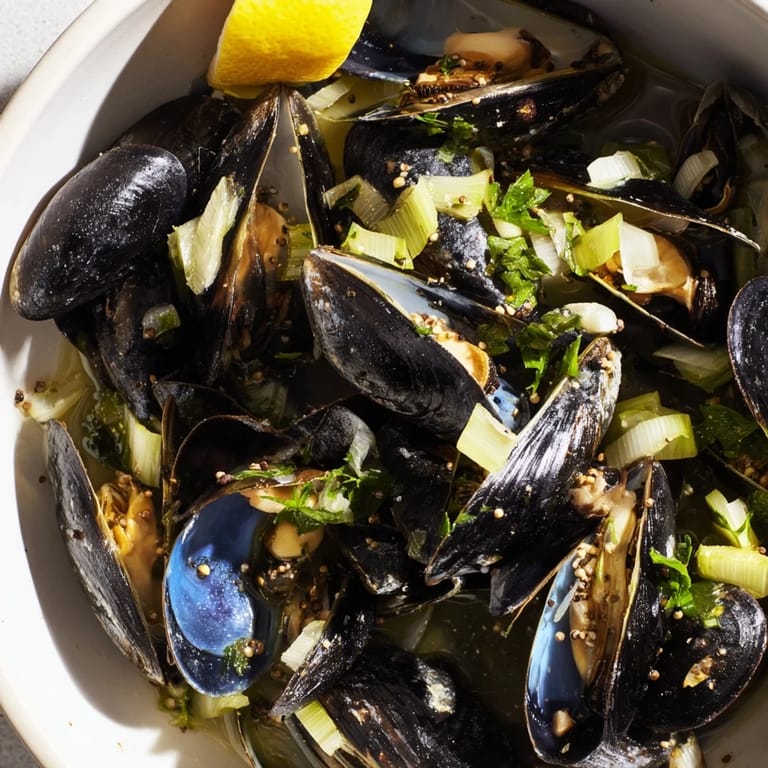
 This dish reminds me why some of the most profound meals come from the simplest recipes, made with care and shared around a table with people you want to know better. It's not fancy, but it's honest, and that's something worth cooking for.
Recipe FAQs
- → How do I clean mussels properly?
Rinse mussels under cold water, discard any that are open or broken. Scrub shells to remove debris and debeard by pulling out the fibrous threads.
- → What is the best wine for steaming mussels?
Dry white wines like Sauvignon Blanc or Pinot Grigio bring a crisp, fruity acidity that complements the mussels without overpowering their natural flavor.
- → Can I use frozen mussels instead?
Fresh mussels yield the best texture and flavor, but if frozen, ensure they are fully thawed and cooked thoroughly to avoid a tougher texture.
- → What side dishes pair well with moules marinière?
Traditional Belgian fries, crusty bread, or a light green salad balance the rich broth and fresh seafood taste.
- → How long should mussels be steamed?
Steam mussels for about 5 to 7 minutes until they open fully. Discard any that remain closed after cooking.