 Save Pin
 My kitchen smelled like roasted lamb and herbs the afternoon my neighbor mentioned she was trying to eat lighter. I'd been making the same shepherds pie for years, that heavy mashed potato blanket I'd learned from my mum, and suddenly it felt dated. That evening, I roasted a head of cauliflower out of curiosity, blended it with butter and cream, and something clicked. The filling stayed comforting and deeply savory, but the topping was bright, almost delicate. It wasn't about missing what I'd lost; it was about discovering the pie could be something new entirely.
I served this to my book club, and honestly, no one realized the topping wasn't potatoes until I mentioned it halfway through dinner. There's something quietly powerful about a dish that doesn't announce its lighter nature—it just sits there on the plate, golden and honest, tasting like comfort. That night felt different, less about restriction and more about care.
Ingredients
- Olive oil: Just a tablespoon coats the skillet enough to let the vegetables release their sweetness without turning greasy.
- Onion, carrots, and celery: This aromatic base is where the flavor foundation lives; don't rush the sauté or you'll miss the caramelization that makes the filling sing.
- Garlic: Two cloves minced fine, added after the softer vegetables so it doesn't brown and turn bitter.
- Ground lamb or beef: Half a kilogram gives you enough richness; lamb has a deeper, almost mineral quality that feels more authentic to the dish.
- Tomato paste: Two tablespoons concentrate the umami, a lesson I learned by accident when I once tripled it and ended up with something almost too intense.
- Dried thyme and rosemary: A teaspoon each brings that herbal earthiness; fresh herbs would scatter during baking, so dried holds better here.
- Beef or vegetable broth: One hundred milliliters keeps the filling moist without making it soupy, a balance that took me three tries to understand.
- Frozen peas: One hundred fifty grams added near the end preserve their color and slight firmness, small pockets of sweetness in the savory mix.
- Worcestershire sauce: Optional but it deepens everything, a teaspoon whisper that makes people ask what that is without quite being able to name it.
- Unsalted butter: Two tablespoons for the mash, enough to coat each floret as you blend, creating that silky texture.
- Milk or cream: Sixty milliliters; I use cream when I want richness, milk when I want brightness, and both work beautifully.
- Parmesan cheese: Thirty grams optional, but it adds a nutty depth that makes the whole top layer more interesting.
Tired of Takeout? 🥡
Get 10 meals you can make faster than delivery arrives. Seriously.
One email. No spam. Unsubscribe anytime.
Instructions
- Start with heat and water:
- Preheat your oven to two hundred degrees Celsius and set a large pot of salted water to boil; this teaches you the first rule of cooking—get your heat working while you prep everything else.
- Cook the cauliflower until it's almost falling apart:
- Add your florets to the boiling water and let them sit for ten to twelve minutes, until a fork slides through without resistance. You want them tender enough to mash smoothly; undercooked cauliflower leaves little grainy bits that never quite disappear.
- Build the filling base while cauliflower cooks:
- Heat olive oil in a large skillet over medium heat and add your chopped onion, carrots, and celery. Sauté for five to six minutes, stirring occasionally, until the vegetables soften and the kitchen starts to smell like something you want to eat.
- Add the garlic and then the meat:
- Stir in your minced garlic and cook for one minute more, then crumble in the ground lamb or beef, breaking it into small pieces with a wooden spoon. Let it brown for about five minutes, stirring now and then, until the pink disappears and the meat starts to catch slightly on the pan.
- Layer in the flavor makers:
- Stir in the tomato paste, dried thyme, dried rosemary, Worcestershire sauce if you're using it, and a pinch of salt and pepper. Cook for two minutes so the paste darkens slightly and stops tasting raw.
- Add liquid and simmer:
- Pour in your broth and bring everything to a gentle simmer, then add the frozen peas and let it all bubble softly for three to four minutes. The filling should thicken slightly and taste balanced between savory and rich.
- Blend the cauliflower into something silky:
- Drain your cooked cauliflower very well, then transfer it to a food processor with butter, milk or cream, salt, pepper, and Parmesan if you're using it. Blend until completely smooth and creamy, scraping down the sides once or twice.
- Assemble the dish:
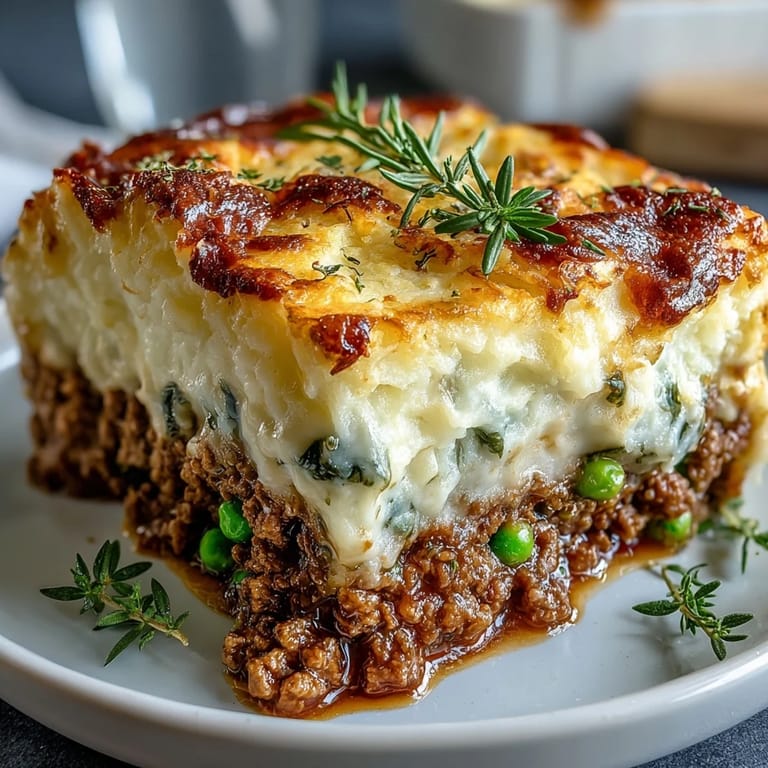
- Spoon the meat filling into a large baking dish and spread it evenly, then top with the cauliflower mash, smoothing it gently so it covers everything in a golden layer.
- Bake until golden:
- Bake for twenty to twenty-five minutes, until the topping turns lightly golden and you can see it's set. Let it rest for ten minutes before serving; this is when the dish settles and becomes less a collection of components and more a unified thing.
 Save Pin
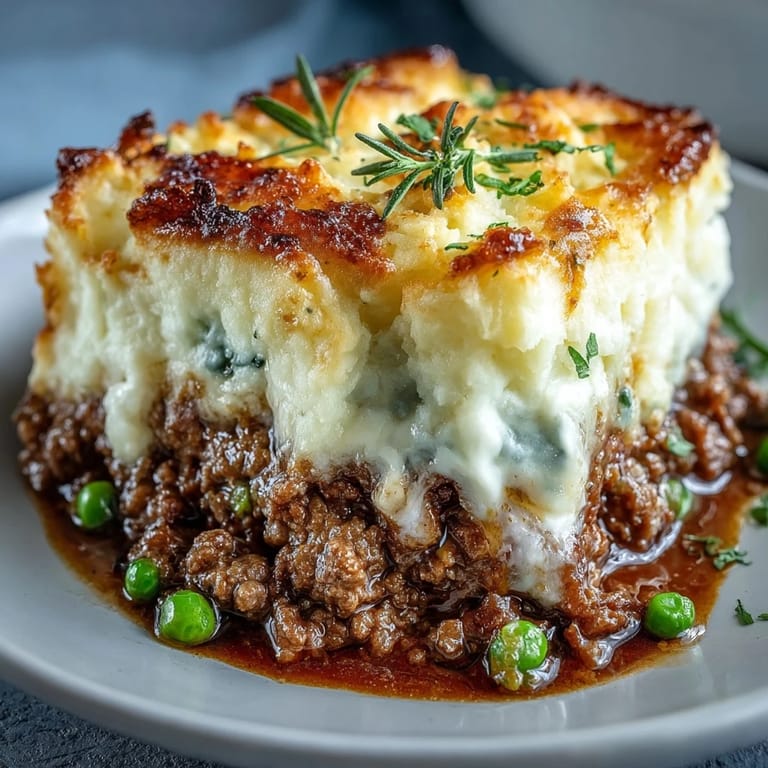
 There's a moment during the baking when the kitchen fills with this warm, herb-tinged steam and you remember why people want comfort food—not because they're weak, but because sometimes you need something that tastes like it's been made with intention. This pie does that without apology.
Why Cauliflower Works Here
Cauliflower has this quiet versatility that most people overlook. When you cook it until it's completely tender and blend it with butter and milk, it becomes something almost luxurious, nothing like the sad steamed vegetable side dish you might remember from school dinners. The cruciferous edge stays underneath, but it's softened by the dairy and the blending action. I've tried this with broccoli and it's greener, more bitter; with parsnips and it's sweeter, almost too rich. Cauliflower sits in the middle, letting the savory meat filling be the star while it provides texture and substance without stealing the show.
Meat Matters More Than You'd Think
The filling is where this dish lives or dies, so choosing your protein matters. Lamb has this deeper, almost mineral flavor that feels authentically British; beef works beautifully too, especially a fattier ground cut that browns quickly and adds richness. I've made this with turkey when someone was trying to cut fat, and it works, but the flavor needs more help—extra herbs, maybe a splash more Worcestershire. Chicken would make it light to the point of being forgettable. The trick is browning your meat properly, letting it sit in the hot pan long enough to develop color and flavor, not just cooking until the pink disappears.
Variations and Small Moments
This recipe holds room for personality. Add a pinch of paprika or smoked paprika before baking if you want a hint of spice on the top. Try stirring in a tablespoon of Dijon mustard into the filling for sharpness, or add a handful of mushrooms with the carrots for earthiness. If you're cooking for someone avoiding dairy, swap butter for olive oil and use plant-based milk; the mash won't be quite as luxurious, but it'll still be good. One evening I added a layer of sautéed mushrooms between the meat and the cauliflower, and suddenly it tasted more autumnal, less summery. These small changes make the recipe feel like it belongs to you instead of to a book.
- Fresh thyme sprinkled on top after baking adds a brightness that dried herbs can't quite reach.
- A small handful of grated cheddar mixed into the cauliflower mash adds tang and color.
- Worcestershire sauce is optional but it's the difference between good and memorable.
 Save Pin
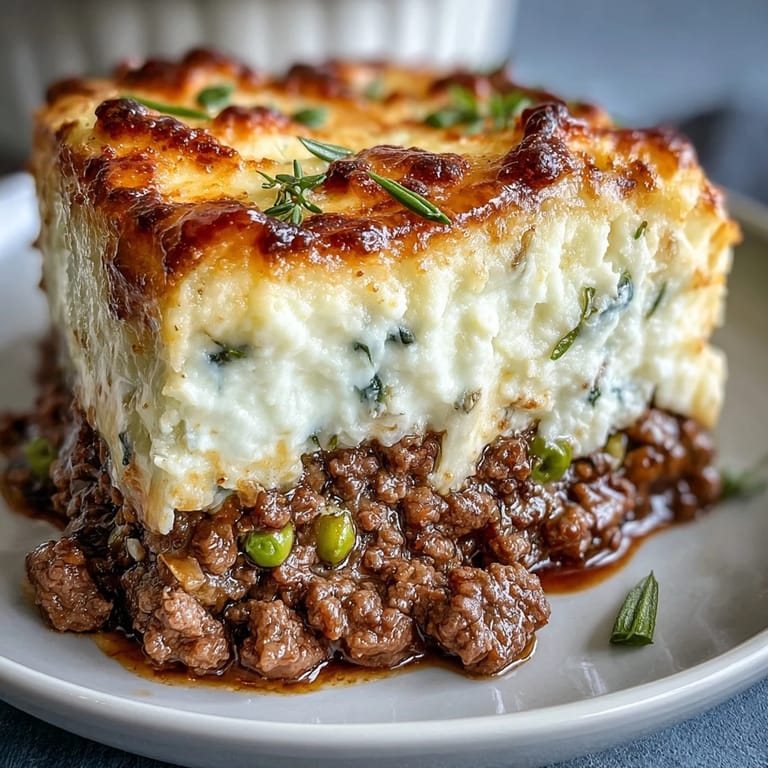
 This is the kind of dish that tastes like you've been cooking all day, even though you haven't. Serve it with something green and simple on the side, let it rest properly, and watch how quickly the plates empty.
Recipe FAQs
- → Can I substitute the ground meat?
Yes, ground turkey or chicken make lighter alternatives to lamb or beef and work well with the flavors.
- → How do I make the cauliflower mash dairy-free?
Replace butter and milk with olive oil and plant-based milk to create a dairy-free topping while maintaining creaminess.
- → What cooking tools are needed?
A large skillet for sautéing, a saucepan for boiling cauliflower, a food processor or masher for the mash, and a baking dish for assembling.
- → Can I add extra flavor to the topping?
Sprinkle paprika or extra cheese on the mash before baking to enhance flavor and add a golden finish.
- → Is this dish suitable for gluten-free diets?
The main ingredients are gluten-free, but be cautious with Worcestershire sauce and choose gluten-free versions if needed.
- → What sides or drinks pair well?
A light red wine like Pinot Noir complements this dish nicely, balancing the savory and creamy elements.