 Save Pin
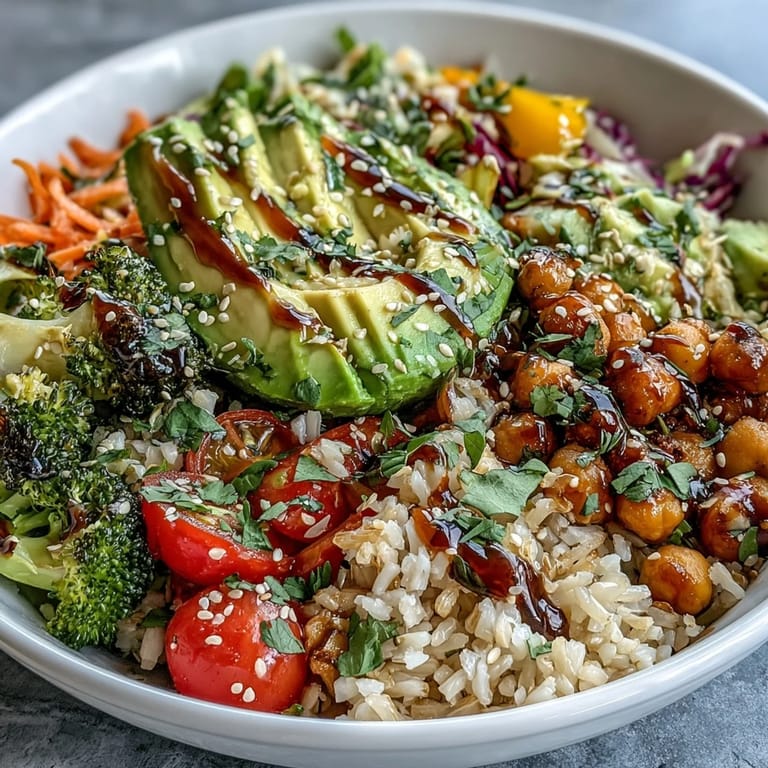
 One Tuesday afternoon, my friend texted asking if I could put together something colorful and filling for her new meal-prep routine, and I found myself standing in my kitchen staring at a rainbow of produce, suddenly inspired. The idea came together as I was arranging vegetables on a plate—why not lean into that natural spectrum and build a whole bowl around it? That first version wasn't perfect; I overseasoned the dressing and the avocado turned brown before she could eat it. But something about the combination felt right, so I kept tweaking it until the balance of textures and flavors became undeniable.
I made this for a potluck dinner where someone had requested something vegan, and watching people go back for seconds of a bowl they initially thought looked "too healthy" was quietly satisfying. The woman who requested it told me later that her skeptical teenager actually asked for the recipe, which felt like winning the lottery of feeding people.
Ingredients
- Brown rice or quinoa, 1 cup uncooked: Brown rice takes 20 minutes but gives you a nutty, slightly chewy base, while quinoa cooks faster and adds a delicate texture—pick whichever you have time for and prefer.
- Water, 2 cups: This ratio keeps your grains fluffy rather than mushy, the secret I learned after one waterlogged batch.
- Cherry tomatoes, 1 cup halved: The bright acidity cuts through the richness of sesame oil and avocado, so don't skip them or substitute with mealy winter tomatoes.
- Red cabbage, 1 cup shredded: Its peppery crunch stays intact even when dressed hours ahead, and the color literally doesn't fade.
- Carrots, 1 cup shredded: Raw gives you sweetness and snap; if you prefer softer carrots, lightly sauté them first.
- Yellow bell pepper, 1 sliced: It brings a gentle sweetness and that pop of color that makes the bowl feel intentional rather than thrown together.
- Broccoli florets, 1 cup: A quick steam softens them just enough to absorb dressing while keeping their structure, though raw works if you prefer maximum crunch.
- Avocado, 1 sliced: Add this at the very end, minutes before eating, or it'll turn that sad gray-brown color and ruin the whole visual story.
- Cooked chickpeas, 1 cup drained and rinsed: Canned saves time and works beautifully; if using dried, cook until just tender so they hold up to tossing.
- Sesame seeds, 2 tbsp: Toast them yourself if you have five minutes—the difference between sad and spectacular is honestly that simple.
- Fresh cilantro or parsley, 2 tbsp chopped: Cilantro brings that bright, slightly soapy note that people either love or skip, so use whatever your household prefers.
- Green onions, 2 sliced: They add a mild onion bite and stay tender if you scatter them on right before serving.
- Toasted sesame oil, 3 tbsp: The foundation of the whole dressing; get the toasted version, not the pale refined kind, because regular sesame oil tastes like disappointment.
- Tamari or soy sauce, 3 tbsp: Tamari is naturally gluten-free and tastes slightly smoother, but regular soy sauce works if that's what's in your cabinet.
- Rice vinegar, 2 tbsp: It's milder and rounder than white vinegar, which means the dressing doesn't bite too hard or overshadow everything else.
- Maple syrup or honey, 1 tbsp: A touch of sweetness balances the salt and vinegar; use less if you prefer things sharper.
- Fresh ginger, 1 tbsp grated: Microplane it right before making the dressing so you get those volatile, peppery notes at full strength.
- Garlic, 1 clove minced: One clove is enough to flavor without drowning everything in harshness, a lesson learned from overzealous garlic mistakes.
- Lime juice, from 1 lime: Bottled works in a pinch, but fresh squeezed brings a brightness that bottled juice can't quite match.
Tired of Takeout? 🥡
Get 10 meals you can make faster than delivery arrives. Seriously.
One email. No spam. Unsubscribe anytime.
Instructions
- Rinse and cook your grains:
- Run your rice or quinoa under cold water until the water runs mostly clear, which removes that starchy coating that makes everything gluey. Bring the pot to a boil, then drop the heat and let it simmer covered until the grains are tender and the liquid is absorbed—about 15 to 20 minutes depending on what you chose.
- Prep the vegetables while everything cooks:
- Wash and chop each vegetable as listed, keeping them separate so you can arrange them colorfully later. This multitasking means your dressing gets made before you know it and nothing sits around browning.
- Whisk the dressing to silky perfection:
- Combine the sesame oil, tamari, rice vinegar, maple syrup, ginger, garlic, and lime juice in a small bowl and whisk until the maple syrup dissolves and everything turns glossy. Taste it—you might want a squeeze more lime or a pinch more ginger, so trust your palate.
- Steam or leave the broccoli as you prefer:
- Drop broccoli into boiling salted water for 3 to 4 minutes if you want it tender, or leave it raw for that satisfying crunch. Drain well if steaming so it doesn't weep water all over your bowl.
- Build your bowls like you're painting:
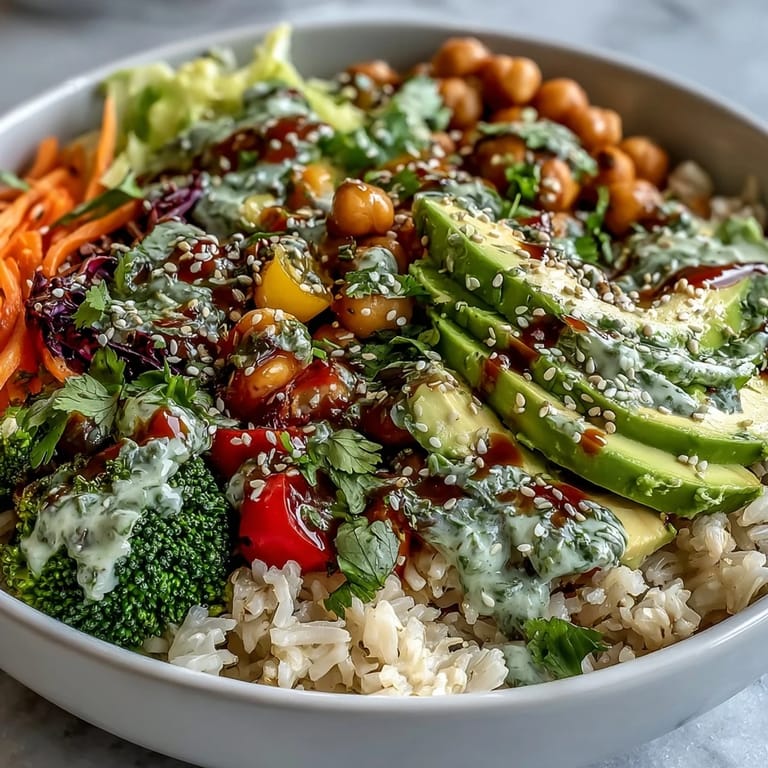
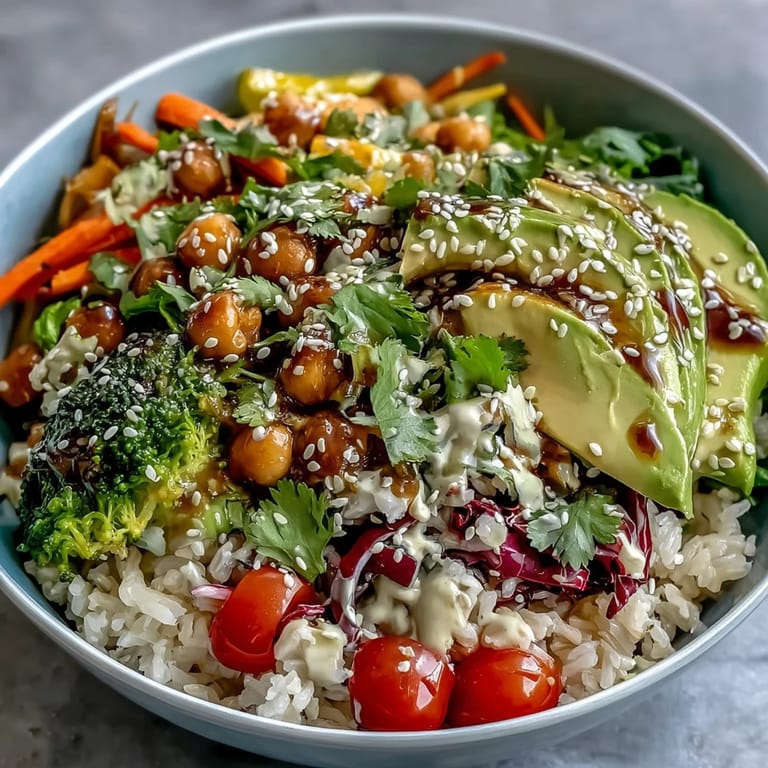
- Divide the warm grains among four bowls, then arrange the vegetables, chickpeas, and avocado in sections radiating out from the center—it's prettier and easier to eat than a mixed pile. The warmth from the grains will slightly soften the raw vegetables, which is the point.
- Dress generously and scatter the toppings:
- Drizzle each bowl with dressing, then sprinkle sesame seeds, herbs, and green onions on top right before serving so nothing gets soggy.
 Save Pin
  Save Pin
 There's something almost meditative about arranging these bowls—choosing where each color goes, finding balance in the placement—that turns cooking into a moment of calm rather than a chore. I started making them on Sunday evenings and found myself looking forward to Monday lunch for the first time in years.
Why This Works as a Complete Meal
A Buddha bowl isn't just vegetables tossed together; it's architecture built on the principle that you need protein, healthy fats, complex carbs, and plenty of fiber all on one plate. The grains anchor you with sustained energy, the chickpeas provide plant-based protein that actually keeps you full, the avocado adds satiety through fat, and the vegetables bring fiber plus all those micronutrients your body actually needs. The dressing ties it all together with flavor so compelling that your brain doesn't miss meat, and the variety of textures means you won't get bored after two bites.
Customizing Without Losing the Spirit
The beauty of this bowl is that it invites riffing—use whatever vegetables are in season or on sale at your market, swap the grains for farro or millet, add crispy tofu if you want more protein. I've made versions with roasted chickpeas instead of plain ones, added fresh mango when it was summer, swapped cilantro for mint. The structure stays the same, but your bowl tastes different depending on what you find and what you're craving that day.
Storage and Make-Ahead Strategies
These bowls actually benefit from a little prep work—cook your grains and store them in the fridge, chop vegetables the night before and keep them in separate containers so everything stays fresh and doesn't get soggy. The dressing keeps for about five days in a sealed jar, getting even more flavorful as it sits. Assemble everything except the avocado the morning you plan to eat, then add the avocado minutes before lunch because that's the one component that refuses to cooperate with time.
- Pack dressing in a separate small container and add it right before eating so your vegetables stay crisp rather than wilting into a watery mess.
- If the sesame seeds lose their crunch by lunchtime, toast a small batch fresh that morning and keep them in a sealed container to scatter on top just before serving.
- Bring the bowl to room temperature for 10 minutes before eating if it's been in the fridge, because cold grains are dense and uninviting while barely-warm grains are actually pleasant.
 Save Pin
  Save Pin
 Making these bowls has become my small act of rebellion against the myth that healthy food has to be boring or take hours. Every time someone eats one and actually feels good afterward instead of heavy and sluggish, I feel like I've shared something quiet and powerful.
Recipe FAQs
- → What vegetables work best in this bowl?
Cherry tomatoes, red cabbage, shredded carrots, bell pepper, broccoli florets, and avocado create the classic rainbow effect. You can swap in any fresh vegetables like cucumber, snap peas, or roasted sweet potatoes based on seasonality.
- → Can I make this ahead for meal prep?
Absolutely. Cook the grains and chop vegetables up to 3 days ahead. Store the dressing separately in a jar and assemble bowls when ready to eat. The flavors actually improve as ingredients marinate together.
- → How do I store leftovers?
Keep assembled bowls in airtight containers for 3-4 days. For best results, store the dressing separately and add fresh avocado right before serving since it may brown over time.
- → What can I use instead of grains?
Try cauliflower rice for a low-carb version, or use farro, barley, and millet for variety. For lighter options, serve over mixed greens or use spiralized vegetables as your base.
- → Is the sesame ginger dressing essential?
The dressing brings all components together with its tangy, savory notes. You could substitute with tahini dressing, peanut sauce, or a simple vinaigrette, though the sesame ginger combination perfectly complements the fresh vegetables.
- → How can I add more protein?
Grilled tofu, baked tempeh, edamame, or roasted chickpeas boost protein content. For non-vegan options, add grilled chicken, shrimp, or a poached egg on top.