 Save Pin
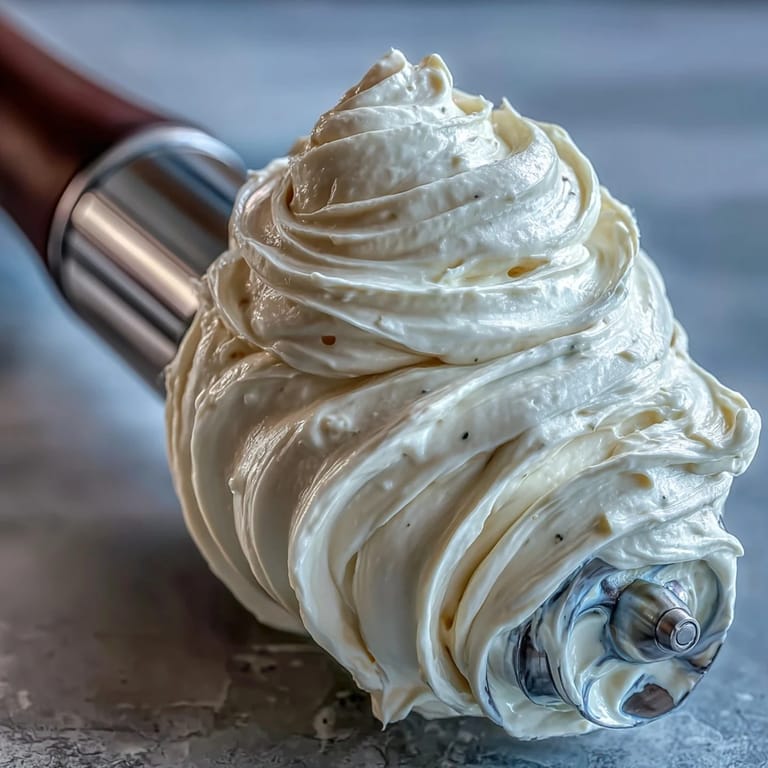
 Making homemade mayonnaise has never been easier or quicker than with this simple immersion blender method. In just 5 minutes, you'll create a creamy, rich condiment that's perfect for sandwiches, salads, and dips — no preservatives, no weird additives, just fresh, wholesome ingredients blended to silky perfection.
Save Pin With only a few pantry staples and an immersion blender, you can whip up a fresh batch of mayonnaise that tastes far superior to most packaged versions. Experiment with different neutral oils and vinegars to find your favorite variation, and enjoy the satisfaction of homemade goodness.
Ingredients
Tired of Takeout? 🥡
Get 10 meals you can make faster than delivery arrives. Seriously.
One email. No spam. Unsubscribe anytime.
- Base
- 1 large egg (room temperature)
- 1 tablespoon Dijon mustard
- 1 tablespoon white wine vinegar or lemon juice
- Oil
- 1 cup (240 ml) neutral oil (such as sunflower, canola, or light olive oil)
- Seasoning
- 1/2 teaspoon fine sea salt
- 1/4 teaspoon freshly ground black pepper (optional)
Instructions
- 1. Place the egg, Dijon mustard, vinegar or lemon juice, salt, and pepper (if using) into a tall, narrow container suitable for an immersion blender.
- 2. Pour the oil on top.
- 3. Insert the immersion blender all the way to the bottom of the container.
- 4. Turn on the blender and keep it at the bottom for about 10 seconds until the mixture begins to emulsify and turn creamy.
- 5. Slowly raise the blender, moving it up and down to fully incorporate all the oil. Blend until thick and smooth, about 30 seconds.
- 6. Taste and adjust seasoning if needed.
- 7. Transfer to a clean jar, seal tightly, and refrigerate. Use within 1 week.
Zusatztipps für die Zubereitung
For the best emulsification, ensure all ingredients are at room temperature before blending. This makes the mixture come together more easily. Use a tall, narrow container to contain the splatter and allow the immersion blender to fully reach the bottom. If you prefer a thicker mayo, you can blend a bit longer or adjust the oil ratio slightly.
Varianten und Anpassungen
To make a tangier mayonnaise, add up to 2 teaspoons extra white wine vinegar or lemon juice during blending. For a garlicky aioli flavor, blend in 1 small garlic clove with the other base ingredients. If you're concerned about using raw eggs, opt for pasteurized eggs for safety. Olive oil can be used as an alternative to neutral oil, but it will impart a stronger, more distinctive flavor.
Serviervorschläge
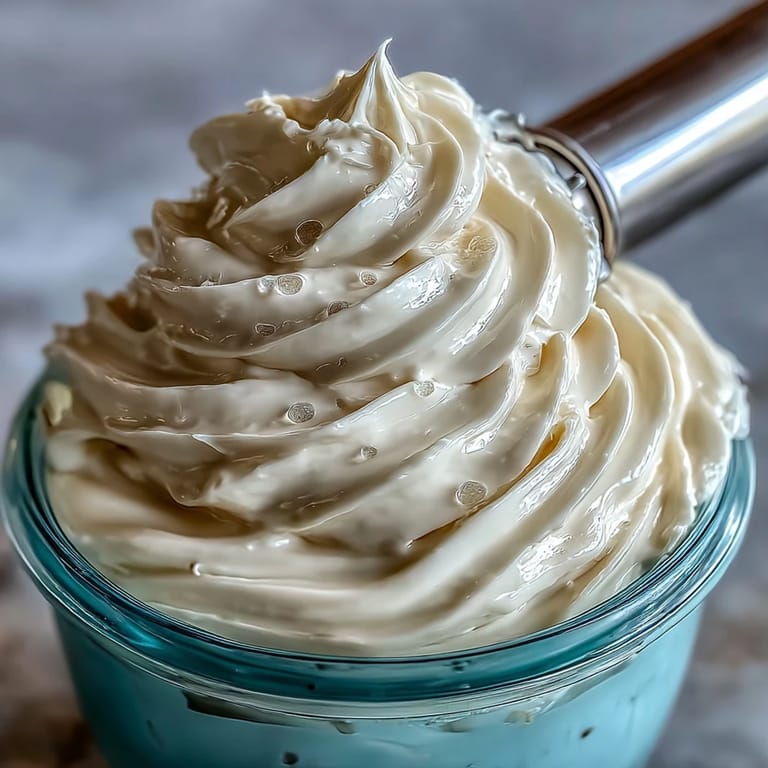
This mayonnaise is incredibly versatile — use it as a spread on sandwiches and burgers, a creamy dressing for salads, or a dip for fresh vegetables and fries. It also works wonderfully as a base for flavored mayo by adding herbs, spices, or hot sauce.
 Save Pin
 Once you master this quick and easy method, you'll never want to buy commercial mayonnaise again. Fresh, customizable, and delicious, this homemade mayo adds a special touch to everyday dishes and is a testament to how simple cooking can be with the right tools and ingredients.
Recipe FAQs
- → What oil works best for homemade mayonnaise?
Neutral oils like sunflower, canola, or light olive oil create a mild, creamy result. Avoid strong-flavored oils unless a bold taste is desired.
- → Can I use lemon juice instead of vinegar?
Yes, either white wine vinegar or lemon juice will work. Lemon juice lends a slightly brighter, fresher tang to the finished spread.
- → Why should ingredients be at room temperature?
Room temperature ingredients blend more easily and help the mixture emulsify faster, preventing the mayonnaise from separating.
- → How long does homemade mayonnaise last?
Stored in a sealed jar in the refrigerator, it should be consumed within one week for best taste and safety.
- → Is it safe to use raw eggs?
If you are concerned, use pasteurized eggs to reduce health risks while still producing creamy mayonnaise with this method.
- → How do I fix broken or runny mayonnaise?
If the mixture doesn't thicken, slowly drizzle in more oil while blending, or add a little extra mustard or room temperature water to help emulsify.